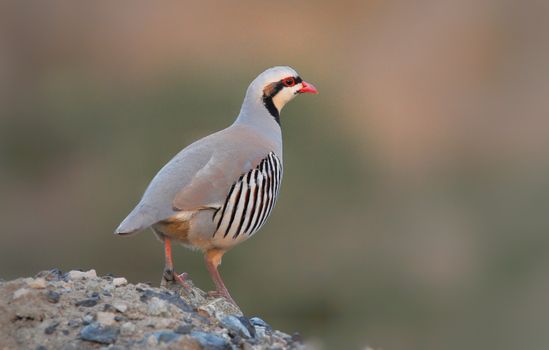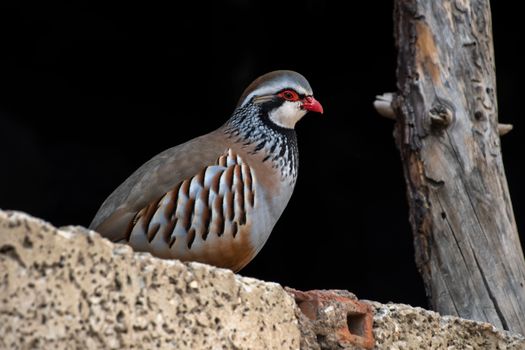
Game bird farming is a dynamic and growing sector within agriculture, with farms supplying birds for hunting preserves, dog training, meat, eggs, and even birdwatching tourism. As competition increases and customer expectations rise, effective marketing is essential for game bird farms looking to stand out and thrive. Whether you’re raising pheasants, quail, partridges, or specialty breeds, the right marketing strategies can help you expand your customer base, build brand loyalty, and maximize profits. This article explores innovative, actionable marketing strategies specifically tailored for game bird farms, ranging from digital branding to unique sales channels and community engagement.
The Unique Marketing Landscape for Game Bird Farms
Game bird farms operate in a niche yet competitive market. According to the National Agricultural Statistics Service, over 2,000 game bird farms currently operate in the United States alone, producing tens of millions of birds each year for various markets. Unlike commodity poultry farms, game bird operations often cater to specialized audiences: hunting preserves, restaurants, breeders, dog trainers, and even eco-tourists.
This market diversity means that a one-size-fits-all marketing approach simply won’t work. Successful game bird farms tailor their messaging, branding, and outreach to different customer segments. For example, hunting preserves may prioritize bird flightiness and health, while restaurants focus on taste, sustainability, and sourcing stories. Understanding audience needs is the foundation for effective marketing.
.png)
Building a Strong Brand Identity in the Game Bird Industry
Branding is often overlooked by small and mid-sized farms, but it’s a crucial step in differentiating your business. A strong brand identity goes far beyond a catchy logo—it encompasses your story, values, and the unique qualities of your birds. Here are key steps to building a compelling brand:
1. Define Your Farm’s Story: What makes your operation unique? Do you use heritage breeds, sustainable practices, or family traditions? For example, a farm that uses non-GMO feed or provides free-range habitats can make these features central to its brand message. 2. Visual Identity: Invest in professional photos of your birds, facilities, and staff. Attractive, authentic images help build trust and interest online and in print materials. 3. Consistent Messaging: Use the same colors, fonts, and tone across your website, packaging, social media, and printed materials. Consistency increases recognition—research shows brands with consistent presentation can increase revenue by up to 23%. 4. Customer Experience: Ensure your branding extends to the customer experience, from well-designed invoices to branded shipping boxes or on-site signage.Digital Marketing Strategies: Website, Social Media, and SEO
In today’s marketplace, a strong digital presence is non-negotiable. According to a 2022 Pew Research Center report, 93% of U.S. adults use the internet, and 72% use social media. Here’s how game bird farms can leverage digital marketing:
Website Essentials: - Build a mobile-friendly, easy-to-navigate website with clear information about your birds, pricing, availability, and contact details. - Include customer testimonials, certifications, and high-resolution photos to build credibility. - Integrate online ordering or inquiry forms to streamline sales. Search Engine Optimization (SEO): - Use keywords relevant to your offerings, such as “pheasant chicks for sale,” “quail eggs supplier,” or “game bird farm near me.” - Create helpful blog content (such as care guides or recipe ideas) to attract organic traffic. - List your farm on Google My Business and relevant agricultural directories to improve local search results. Social Media Engagement: - Share regular updates showcasing your birds, behind-the-scenes farm activities, and customer stories on platforms like Facebook, Instagram, and even TikTok. - Use hashtags specific to game birds, farming, and hunting to reach interested audiences. - Run occasional contests or giveaways, such as free farm tours or sample egg packs, to boost engagement and followers. Email Marketing: - Build an email list by offering a newsletter, special promotions, or early access to new products. - Use segmented campaigns to target different customer groups (e.g., hunting preserves versus restaurant buyers).Partnerships, Events, and Agritourism for Game Bird Farms
Game bird farms can benefit significantly from real-world engagement and partnerships:
1. Collaboration with Hunting Preserves and Dog Trainers: Establish contracts or preferred supplier agreements. Offer training days or “test flights” where preserves and trainers can evaluate your birds’ performance. 2. Culinary Partnerships: Reach out to local chefs and restaurants interested in sourcing specialty game birds or eggs. Organize tasting events or farm tours for culinary professionals. According to the National Restaurant Association, demand for locally-sourced game meats has grown by 18% in the last five years. 3. Hosting On-Farm Events: Open houses, field days, and educational workshops attract local families, bird dog clubs, and outdoor enthusiasts. These events boost direct sales and word-of-mouth marketing. 4. Agritourism Experiences: Develop birdwatching tours, photography workshops, or seasonal hunting opportunities. In 2021, agritourism contributed over $950 million to U.S. farm incomes, with more than 33,000 farms participating. 5. Community Engagement: Sponsor local events, offer educational talks at schools, or participate in farmers’ markets to increase visibility and connect with your community.Online Sales Channels and Diversification
Expanding your sales channels can open up new revenue streams and reach customers beyond your local area. Here’s a comparison of popular online sales avenues for game bird farms:
| Sales Channel | Pros | Cons | Best For |
|---|---|---|---|
| Farm Website (Direct Sales) | Full control, brand building, higher margins | Requires marketing, website upkeep | Established farms, niche products |
| Online Marketplaces (e.g., eBay, Etsy) | Access to large customer base, easy setup | Fees, less brand control, competition | Hatching eggs, small starter flocks |
| Specialty Agricultural Platforms (e.g., Farm Fresh, LocalHarvest) | Targeted buyers, supportive community | Varied fees, limited mainstream reach | Organic, sustainable, or rare breeds |
| Social Media Shops (Facebook Marketplace, Instagram) | Visually engaging, local and national reach | Platform restrictions, transaction management | Egg sales, live birds, event tickets |
Diversification can also include selling related products such as feathers, manure, or value-added items like smoked game meat or pickled eggs. Some farms even offer branded merchandise, from hats to cookbooks, to bolster their brand and generate extra income.
Storytelling and Content Marketing for Game Bird Farms
Today’s consumers, especially Millennials and Gen Z, want to know the story behind their food and products. Content marketing—sharing engaging stories, educational material, and behind-the-scenes glimpses—can set your game bird farm apart.
1. Blogging and Video Content: Write blog posts or record videos about bird care, hatching tips, the history of game birds, or seasonal farm updates. For instance, a series on “Raising Flight-Ready Pheasants: From Egg to Release” can attract both hobbyists and professionals. 2. Customer Stories: Showcase satisfied customers, hunting preserve successes, or restaurant partnerships. Personal testimonials build credibility and trust. 3. Educational Resources: Offer free guides, infographics, or webinars on topics like “Quail Egg Recipes” or “Ethical Game Bird Hunting Practices.” These resources can attract organic traffic and position your farm as an industry expert. 4. Social Proof: Share awards, certifications (such as NPIP—National Poultry Improvement Plan participation), or media coverage to strengthen your farm’s reputation.Measuring Success: Tracking Your Marketing ROI
Marketing is an investment, and it’s important to evaluate which strategies deliver the best return. Here are three key metrics to track:
1. Website Analytics: Use tools like Google Analytics to monitor page views, visitor sources, and popular content. For example, if your blog post on “Best Habitat for Chukar Partridges” attracts 2,000 visitors a month, it’s a sign to create more habitat-focused content. 2. Conversion Rates: Track how many website visitors become leads or customers. A typical e-commerce conversion rate ranges from 2% to 5%. If your rate is below this, consider improving your product pages or checkout process. 3. Customer Acquisition Cost (CAC): Divide your total marketing expenses by the number of new customers gained. If you spend $500 on Facebook ads and acquire 25 new customers, your CAC is $20. Compare this to your average order value to assess profitability. 4. Customer Retention: Repeat customers are valuable. According to Bain & Company, increasing customer retention rates by 5% can boost profits by up to 95%. Use email marketing, loyalty programs, and consistent engagement to maintain relationships.Maximizing Growth with Smart Marketing for Game Bird Farms
Marketing is not just about selling more birds—it’s about building lasting relationships, sharing your unique story, and creating new opportunities for growth. The most successful game bird farms are those that embrace a multi-channel approach: blending digital branding, community engagement, innovative sales channels, and compelling content.
By strategically investing in your farm’s brand, leveraging digital tools, exploring partnerships, and tracking your results, you can set your operation apart in a crowded marketplace. Remember, effective marketing is an ongoing process—continuously refine your strategies based on feedback, results, and changing market trends.