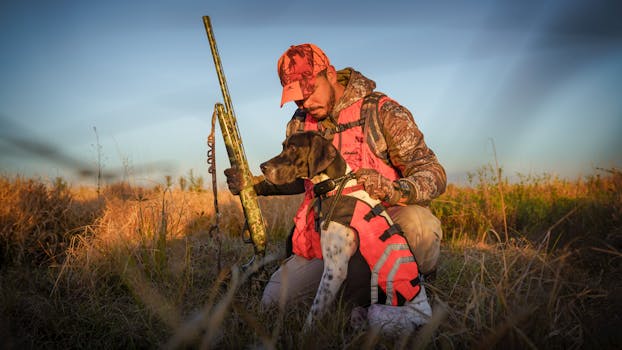
Hunting preserves are unique environments that blend sport, conservation, and education to offer a sustainable hunting experience. For those new to the concept or seeking to understand its complexity, the anatomy of a hunting preserve is defined by several key features, each contributing to the preserve's success and sustainability.
- Location and Size
The geographical placement of a hunting preserve is strategically chosen to complement the natural landscape and existing wildlife populations. It's essential that the chosen area supports a natural integration into the ecosystem, minimizing impact on native species. The size of the preserve is equally critical; it must be ample enough to sustain a robust game population and provide hunters with sufficient space to prevent overutilization of any single area.
- Habitat Management
Effective habitat management is pivotal in ensuring a balanced ecosystem within the preserve. This involves a variety of practices, from cultivating food plots and managing woodland areas to controlling invasive species and maintaining water sources. These efforts are designed to promote a healthy wildlife population resilient enough to support hunting without compromising biodiversity.
.png)
- Game Management
Sustainable game management is crucial to prevent overhunting and to ensure the health of the game populations. This involves careful monitoring of animal numbers, implementing breeding programs to enhance genetic diversity, and sometimes introducing new species carefully to maintain ecological balance. Game management helps in setting sustainable hunting quotas and season timings to ensure that wildlife populations are not endangered.
- Safety Measures
Safety is a non-negotiable aspect of hunting preserves. Strict protocols and regulations are enforced to ensure the safety of all participants. This includes setting up designated hunting zones, defining lawful hunting periods, and ensuring all hunters comply with local and national hunting regulations. Many preserves also provide hunter education and safety orientation programs to minimize risks.
- Lodging and Amenities
To cater to various needs and enhance the overall experience, hunting preserves often offer a range of accommodations and facilities. From rustic camping sites to luxurious lodges, these amenities not only serve hunters but also their families and corporate groups, making preserves versatile recreational areas.
- Conservation Efforts
Beyond hunting, preserves are actively involved in conservation initiatives. These may include participating in wildlife research, habitat restoration projects, and collaborations with environmental organizations. Such efforts underscore the preserve’s commitment to conservation and sustainable management of natural resources.
- Community Engagement
Effective hunting preserves recognize the importance of engaging with local communities. They may host educational workshops, public tours, and conservation events to foster a broader understanding of sustainable hunting and its role in environmental stewardship. Community involvement can also promote local support for the preserves' activities.
- Economic Impact
Hunting preserves also significantly impact local economies. They provide employment opportunities and support local businesses through the procurement of goods and services. This economic contribution can be vital in rural areas, where such preserves are often located.
In essence, hunting preserves are multifaceted environments that offer much more than just hunting opportunities. They are managed with a keen focus on sustainability, safety, and community involvement, all while contributing significantly to local economies and conservation efforts. Understanding these key aspects helps hunters and the general public appreciate the integral role these preserves play in maintaining ecological balance and providing recreational activities.