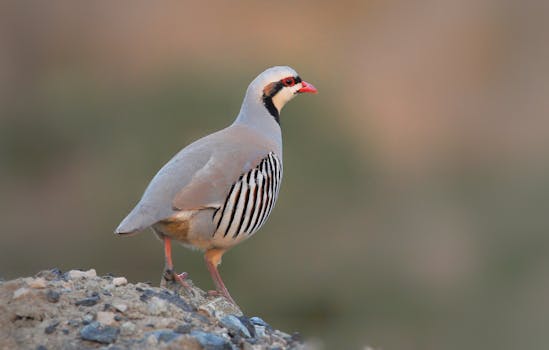
Maintaining a Disease-Free Chukar Farm: Essential Strategies
Chukar partridges, known for their hardiness and distinct appearance, are a popular choice among game bird enthusiasts. However, like all poultry, they require careful management to prevent disease and ensure a thriving farm. Here are key strategies to maintain a healthy environment for your chukars, reducing the risk of disease outbreaks and promoting overall bird well-being.
- Understand Chukar Health Requirements
Before implementing disease prevention strategies, it’s crucial to understand what keeps chukars healthy:
.png)
- Habitat: Chukars need a clean, spacious environment that mimics their natural rugged terrain.
- Diet: Provide a balanced diet suited to their nutritional needs.
- Hydration: Ensure access to fresh water at all times.
- Exercise: Adequate space for natural behaviors and exercise is crucial.
- Signs of Illness: Recognize early symptoms of disease to address issues promptly.
- Conduct Regular Health Checks
Schedule regular health evaluations with a qualified avian veterinarian. These checks help in early diagnosis and management of potential health issues. Vaccinations, particularly against diseases like Newcastle disease and avian influenza, are essential.
- Maintain Strict Hygiene Protocols
Infection control is critical:
- Cleaning: Regularly clean and disinfect housing, feeders, and drinkers.
- Disinfection: Use avian-safe disinfectants to eliminate pathogens.
- Waste Management: Properly dispose of waste and carcasses to prevent disease spread.
- Implement a Quarantine Period for New Arrivals
Newly acquired chukars should be quarantined for at least 30 days. This period allows for health assessments and ensures that newcomers do not introduce pathogens to the existing flock.
- Manage Vermin and Wild Bird Access
Pests and wild birds can introduce diseases:
- Pest Control: Secure feed storage and dispose of waste promptly to discourage vermin.
- Physical Barriers: Use netting and fences to prevent wild birds from accessing areas where chukars are housed.
- Ensure Proper Nutrition
Feed your chukars a diet that boosts their immune system, tailored to their specific life stage and health needs. Avoid nutritional extremes, such as overfeeding or underfeeding, which can predispose birds to health issues.
- Reduce Stress
Stress can compromise the immune system, making birds more susceptible to diseases:
- Space: Provide sufficient space to avoid overcrowding.
- Environment: Offer shelter that protects from extreme weather conditions.
- Handling: Minimize handling to reduce stress among birds.
- Educate Farm Staff
All personnel involved in daily farm operations should be knowledgeable about chukar health and hygiene practices. Regular training and updates can enhance your team's ability to prevent, recognize, and respond to health issues.
- Monitor and Adapt Health Practices
Stay vigilant about the health of your flock and be ready to adjust your management practices based on observations and evolving health information. Regularly review your biosecurity measures and update them as necessary to tackle new health challenges.
Conclusion
By implementing these comprehensive care and management strategies, you can maintain a healthy chukar farm and mitigate the risk of disease. Prevention, through proactive health management and strict biosecurity, is crucial to the success and sustainability of your chukar farming venture. Remember, healthy birds mean a productive and profitable farm.