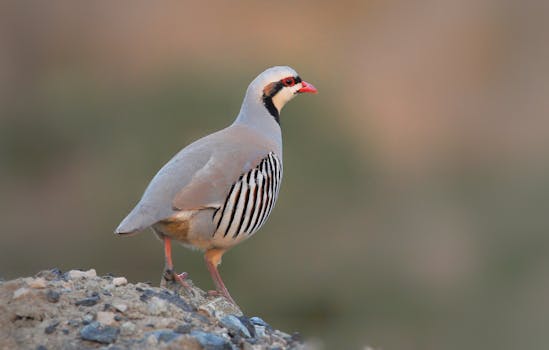
Breeding Chukar Partridges, known for their distinctive call and striking appearance, can be a fulfilling endeavor for enthusiasts and professionals alike. These birds, native to the rugged terrains of Asia and parts of Europe, thrive in environments that challenge even the most seasoned breeders. This guide offers a comprehensive overview of the essential practices necessary for successfully breeding Chukar Partridges.
Understanding Chukar Partridges
Chukar Partridges (Alectoris chukar) are medium-sized birds that are part of the pheasant family. They have a preference for dry, open, and rocky areas, which makes their breeding slightly different from other game birds. Understanding their natural behaviors and habitat preferences is crucial to replicate conditions conducive to their breeding in captivity.
.png)
Creating the Right Environment
To successfully breed Chukar Partridges, one must recreate their natural habitat to the best possible extent. This includes:
- Enclosure Design: An ideal enclosure should mimic rocky terrains with varied elevations and hiding spots. These features cater to the Chukar's instinctual behaviors such as foraging and roosting in elevated areas.
- Space Requirements: Chukars are active birds; hence, ample space is necessary to allow for natural behaviors. Overcrowding can lead to stress and aggression, which are detrimental to breeding success.
- Shelter and Nesting: Providing multiple shelter options and secluded nesting areas can help in mimicking the natural breeding conditions of Chukars.
Diet and Nutrition
The diet of Chukar Partridges plays a pivotal role in their health and breeding capabilities. A balanced diet should consist of:
- Seeds and Grains: These are staple in their diet, providing the necessary carbohydrates and fibers.
- Proteins: Incorporating insects and small amounts of commercially available game bird feed can ensure they receive adequate protein, which is crucial during the breeding season.
- Supplements: During breeding, additional calcium and vitamins should be provided to support egg production and the overall health of the birds.
Breeding Practices
Effective breeding practices are at the core of raising Chukar Partridges. Key considerations include:
- Selection of Breeding Stock: Healthy, vigorous birds are more likely to produce strong offspring. Genetic diversity should also be considered to avoid inbreeding.
- Timing: Breeding typically begins in the late winter or early spring. Monitoring environmental cues such as temperature and daylight hours can help in determining the optimal breeding time.
- Observation: Regular monitoring of the birds can provide insights into their health and breeding status. Changes in behavior often indicate issues that need immediate attention.
Health and Disease Management
To maintain a healthy breeding stock, proactive health and disease management are essential. This includes:
- Regular Health Checks: Routine examinations can help in early identification and treatment of potential health issues.
- Vaccinations and Parasite Control: These are crucial in preventing common diseases and maintaining the overall health of the flock.
- Hygiene: Regular cleaning of the enclosures and proper disposal of waste help in preventing disease outbreaks.
Conclusion
Breeding Chukar Partridges requires a well-rounded approach that encompasses understanding their natural behavior, providing appropriate habitat, managing diet and health, and adopting ethical breeding practices. For those dedicated to the art of breeding these captivating birds, the process can be deeply rewarding, offering both challenges and significant achievements in aviculture. Whether you are just starting or looking to refine your breeding techniques, continuous learning and adaptation are the keys to success in the dynamic field of Chukar Partridge breeding.