Creating a Safe and Comfortable Habitat for Game Birds: Key Strategies and Best Practices
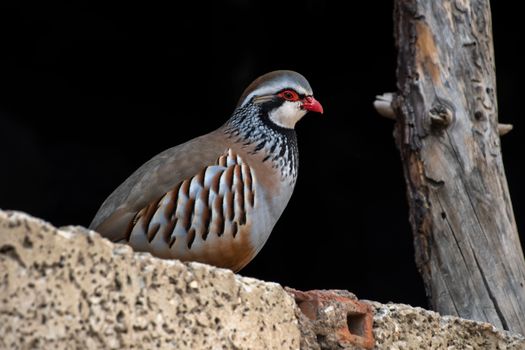
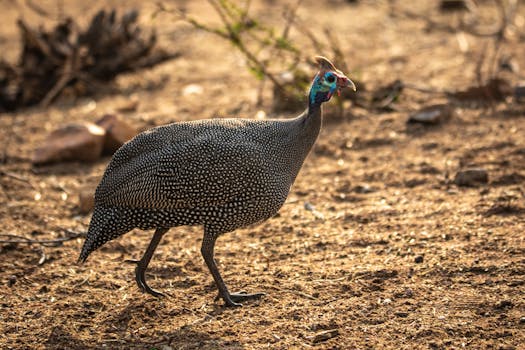
Game birds, such as pheasants, quail, partridges, and grouse, have unique habitat requirements to thrive in captivity or managed environments. Whether you are an aspiring game bird farmer, wildlife manager, or an enthusiast seeking to support wild populations, understanding how to create a safe and comfortable habitat is crucial for their health, reproduction, and overall well-being. This comprehensive guide explores essential factors, innovative solutions, and practical examples to help you establish the ideal environment for your game birds, ensuring their safety and comfort every step of the way.
The Importance of Habitat Design for Game Birds
Designing an effective habitat is not just about providing shelter; it’s about mimicking the birds’ natural environment to promote their natural behaviors and reduce stress. Research shows that game birds kept in well-designed enclosures have up to 30% higher survival rates and better reproductive success compared to those in suboptimal conditions. For example, a study by the University of Georgia found that quail housed in enriched environments had 25% more frequent dust bathing and foraging behaviors—both indicators of good welfare.
Key elements in habitat design include proper space allocation, vegetation, substrate, shelter from weather, and security from predators. Each of these factors directly impacts bird health, growth, and productivity. The right habitat design can also reduce disease incidence by up to 40%, according to the National Gamekeepers’ Organisation, by minimizing overcrowding and improving hygiene.
.png)
Optimal Space and Layout: Balancing Freedom and Safety
Space is a critical factor in promoting natural behaviors and minimizing aggressive interactions among game birds. Overcrowding can lead to feather pecking, stress, and increased disease transmission. The recommended minimum space for adult pheasants is about 20 square feet per bird, while quail require at least 1 square foot per bird. However, providing more space significantly improves welfare and reduces mortality.
Layout considerations include:
- $1 Divide habitats into distinct zones for feeding, hiding, nesting, and dust bathing. - $1 Include dense shrubs or artificial brush piles where birds can quickly seek refuge. - $1 For flying species like pheasants, a flight pen with a height of 6-8 feet allows natural movement and exercise.A practical example from the British Trust for Ornithology showed that pheasants kept in pens with varied terrain and multiple cover types had a 15% lower incidence of stress-related injuries.
Vegetation and Ground Cover: Mimicking the Wild
Naturalistic vegetation is essential for game birds, providing both nutrition and protection. The choice of plants and ground cover can influence not only the birds’ diet but also their ability to hide from predators and harsh weather.
Recommended plants and cover types:
- $1 Species like switchgrass, bluestem, and timothy offer excellent cover and seed sources. - $1 Hawthorn, dogwood, and elderberry provide berries and refuge. - $1 Plants such as clover and alfalfa attract insects and create foraging opportunities.Ground cover should be a mix of sand, soil, and leaf litter to enable dust bathing—a crucial behavior that helps game birds control parasites. A study in Iowa found that pens with 60% vegetative cover and 40% open ground maximized both foraging and predator avoidance behaviors.
Climate Control and Shelter: Protecting Against the Elements
Game birds are sensitive to temperature extremes, wind, rain, and direct sunlight. Providing adequate shelter and climate control features is necessary to maintain their comfort and health.
Key considerations include:
- $1 Use translucent panels to allow natural light while shielding birds from rain and snow. - $1 Planting hedges or installing wooden barriers reduces wind chill and creates stable microclimates. - $1 For colder climates, insulated sleeping shelters with straw bedding help prevent frostbite and hypothermia. - $1 In warm regions, shade cloth or planted trees reduce heat stress, which is a leading cause of summer mortality.Data from the Game & Wildlife Conservation Trust shows that adding windbreaks and insulated shelters can reduce winter mortality in pheasants by up to 50%.
Predator Proofing: Ensuring Ultimate Security
Predation is a leading cause of loss in both farmed and wild game bird populations. Creating a predator-proof habitat is essential, not just for the birds’ physical safety but also for reducing chronic stress, which can suppress immune function and growth.
Common predators include foxes, raccoons, weasels, hawks, and domestic pets. Effective protection strategies involve:
- $1 Use heavy-gauge wire mesh (no larger than 1-inch openings) buried at least 12 inches underground to prevent digging. - $1 A must for flight pens and outdoor runs, especially to deter raptors. - $1 For larger enclosures, a perimeter electric fence adds an extra deterrent. - $1 Automated closing systems can lock birds in secure houses at night, while humane traps can manage persistent predators.Here’s a comparison table highlighting common security features and their effectiveness:
| Security Feature | Targeted Predator(s) | Effectiveness (% Reduction in Incidents) |
|---|---|---|
| Buried Wire Fencing | Foxes, Raccoons | 85% |
| Overhead Netting | Hawks, Owls | 90% |
| Electric Perimeter Fence | All Ground Predators | 95% |
| Automatic Door Closures | Nocturnal Predators | 80% |
Enrichment and Social Structure: Supporting Natural Behaviors
A comfortable habitat is not only about safety and shelter—it is also about mental stimulation and enabling birds to express their natural behaviors. Environmental enrichment has been shown to reduce stereotypic behaviors by 40% and increase reproductive success in captive game birds.
Ways to enrich habitats include:
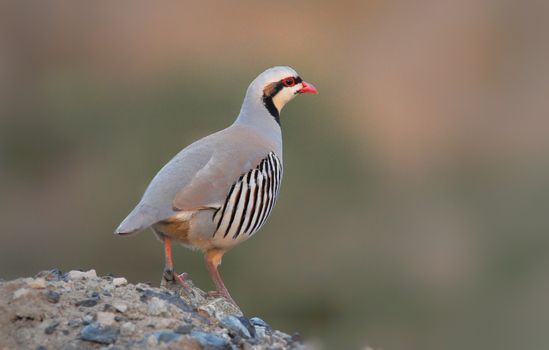
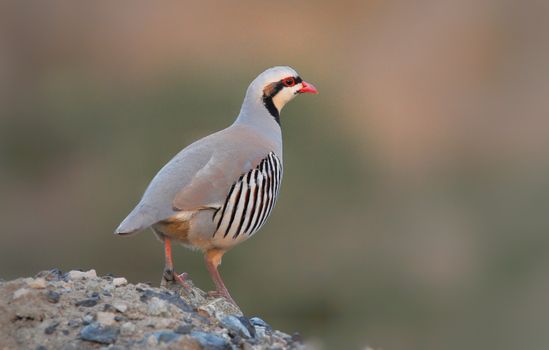
- $1 Vary heights and materials to encourage perching, which is especially important for species like chukar partridge. - $1 Scatter feed, use puzzle feeders, or hide food in vegetation to stimulate natural foraging. - $1 Maintain appropriate flock sizes. For example, quail do best in groups of 8-12, while large groups of pheasants may require subdivision to prevent aggression. - $1 Rotate habitat features seasonally, such as adding leaf litter in autumn or live insects in spring.A 2021 study in the Journal of Avian Biology found that game birds provided with rotating environmental enrichment had 20% higher growth rates and stronger immune responses than those in static environments.
Monitoring and Maintenance: Keeping the Habitat Healthy
Once your habitat is established, ongoing monitoring and maintenance are crucial. Regular checks and habitat improvements can prevent issues before they escalate, safeguarding both the birds’ health and your investment.
Essential maintenance tasks include:
- $1 Check for signs of damage, escaped birds, or predator entry. - $1 Prevent overgrowth that can harbor pests or reduce visibility. - $1 Remove droppings, replace bedding, and clean feeders and waterers to prevent disease. - $1 Track bird numbers, mortalities, and any unusual behavior to catch problems early.According to the National Farmers Union, farms that implement a structured daily checklist see a 30% reduction in disease outbreaks and a 20% boost in productivity.
Final Thoughts on Creating a Safe and Comfortable Game Bird Habitat
Creating a safe and comfortable habitat for game birds is a multifaceted task, blending science, common sense, and a deep respect for the species’ natural needs. From careful layout planning and predator-proofing to environmental enrichment and ongoing management, every aspect plays a vital role in supporting the health, productivity, and welfare of your game birds.
By investing in well-designed habitats and proactive care, you not only ensure the well-being of your flock but also contribute to the sustainability and success of game bird populations—whether on your farm, in managed preserves, or as part of conservation efforts. Remember, a thriving habitat is the foundation for thriving birds.