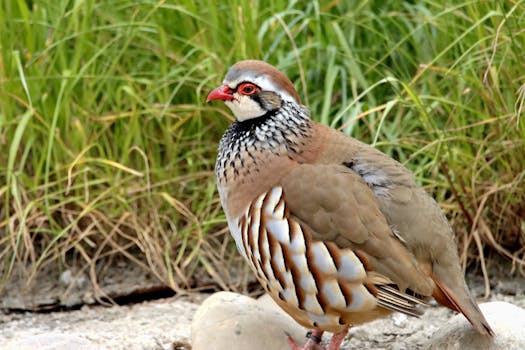
Caring for Chukar Partridges During the Winter Months: Practical Tips for Cold-Weather Success
Chukar partridges are known for their resilience and adaptability, making them a popular choice among gamebird enthusiasts and small-scale farmers. However, the winter months can present unique challenges for both novice and experienced keepers. Proper winter care is essential not only for the health and comfort of your birds but also for their productivity and survivability. In this guide, we’ll explore practical, actionable strategies to help your chukar partridges thrive during the coldest time of the year, focusing on aspects that go beyond basic feeding and housing. Whether you're raising chukars for sport, conservation, or meat production, these winter-specific insights will set you up for success.
Understanding Chukar Partridge Cold Tolerance
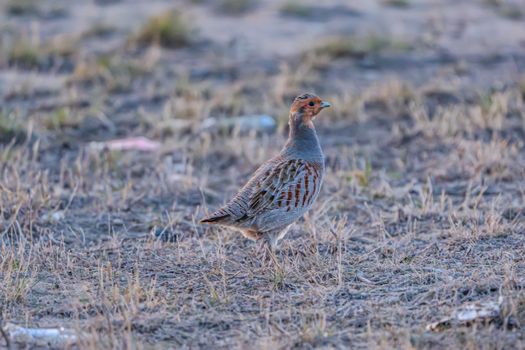
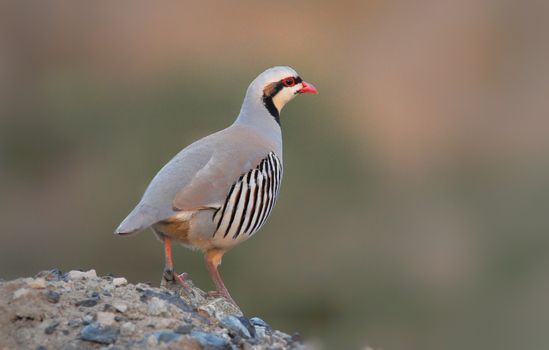
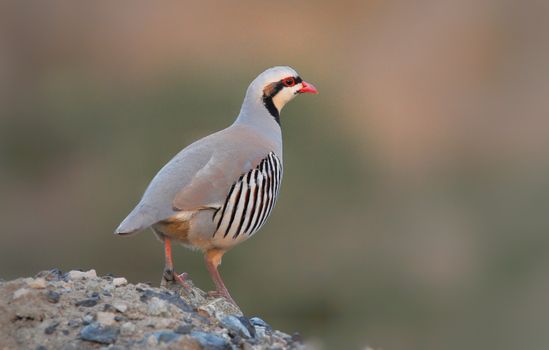
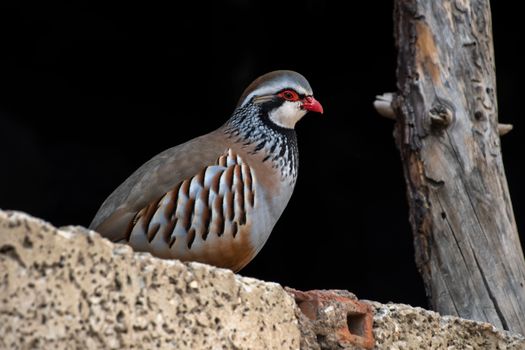
Chukar partridges (Alectoris chukar) originate from arid and mountainous regions across Eurasia, where temperature fluctuations are common. Their natural adaptations give them an edge in cooler climates compared to some other gamebirds. Adult chukars can tolerate temperatures as low as -10°C (14°F) for short periods, provided they have basic shelter and adequate nutrition. Studies show that their optimal comfort range is between 10°C and 25°C (50°F to 77°F).
.png)
Despite their hardiness, chukars are not immune to frostbite, hypothermia, or stress-related health issues. Feather coverage is a key defense against cold, but juvenile or molting birds are especially vulnerable. Understanding their limits and monitoring weather patterns in your area is the first step toward providing tailored winter care.
Winter Shelter: Design, Insulation, and Ventilation
A well-designed shelter is the cornerstone of winter chukar care. The main goals are to protect birds from wind, moisture, and extreme cold while avoiding the buildup of harmful gases like ammonia.
Key shelter considerations include:
- $1 Use weatherproof materials such as treated wood or metal siding. Double-walled construction with insulation (straw, foam board, or fiberglass) helps maintain stable temperatures. - $1 Allow at least 0.5 square meters (about 5.4 square feet) per bird for comfort and to prevent overcrowding, which can exacerbate stress and disease spread. - $1 Elevated perches keep birds off cold floors, reducing the risk of frostbite. Provide dry nesting areas with fresh bedding. - $1 Good airflow prevents humidity and ammonia buildup, which can cause respiratory problems. Install adjustable vents higher up the walls, away from direct drafts.Comparing winter shelter options:
| Shelter Type | Insulation Level | Ventilation Quality | Maintenance Needed | Best For |
|---|---|---|---|---|
| Simple Wooden Coop | Low-Moderate | Moderate | Moderate | Small Flocks, Mild Winters |
| Insulated Aviary | High | High (with vents) | Low-Moderate | Large Flocks, Harsh Winters |
| Portable Hoop House | Moderate | Good | Low | Temporary/Rotational Use |
Regularly check for leaks, drafts, or rodent intrusions. Replace soiled bedding frequently to keep the environment dry and reduce the risk of disease.
Nutrition Adjustments for Winter Energy Needs
Chukar partridges require more energy to maintain body heat in cold temperatures. From late autumn through early spring, caloric intake should be increased by 10–20% compared to summer feeding regimes. The average adult chukar consumes about 25–30 grams of feed daily, but in winter, this may rise to 35 grams or more.
Key winter nutrition tips:
- $1 Incorporate grains like cracked corn, oats, and wheat, which provide quick energy. Commercial gamebird feeds labeled for winter or maintenance are ideal. - $1 Maintain a protein content of 18–20% to support feather condition and immune function. - $1 Grit is essential for digestion, especially when birds cannot forage. Offer mineral blocks or oyster shell for calcium. - $1 While natural forage is limited, provide chopped kale, spinach, or alfalfa hay to supply vitamins and keep birds stimulated.Always provide clean, unfrozen water. Heated waterers or frequent manual checks are necessary, as dehydration is a common but overlooked winter risk.
Managing Outdoor Access and Enrichment
Even in winter, chukars benefit from outdoor access and environmental enrichment. Exposure to natural light and fresh air supports normal behaviors and reduces stress. However, certain precautions are necessary:
- $1 Use windbreaks such as tarps or evergreen branches around outdoor pens. Partial roofing can shield birds from snow and rain. - $1 Spread straw, wood chips, or sand on icy or snowy ground to prevent foot injuries and encourage dust bathing. - $1 Allow birds outside during milder parts of the day (mid-morning to mid-afternoon). In extreme weather, restrict access to prevent chilling. - $1 Hang leafy branches, provide pecking blocks, or scatter feed to encourage natural foraging and reduce boredom-related pecking.Monitor for signs of stress or cold exposure—lethargy, huddling, or feather ruffling. Promptly return any affected birds to shelter for observation.
Health Monitoring and Preventive Care in Winter
Winter conditions can exacerbate certain health risks in chukar partridges. Dampness and poor ventilation increase the likelihood of respiratory infections such as colibacillosis and aspergillosis. Frostbite can occur on combs, wattles, and toes, particularly with wet bedding or exposure to drafts.
Essential winter health measures:
- $1 Observe birds for abnormal behaviors, changes in appetite, or signs of illness. Prompt attention can prevent larger outbreaks. - $1 Schedule preventive treatments in autumn, before winter stress sets in. Deworming and mite checks should continue through the cold months. - $1 Inspect feet for sores or frostbite, especially if birds spend time on wet or frozen surfaces. Good nutrition and clean bedding help maintain feather quality. - $1 In regions with very short days, provide supplemental low-intensity lighting (not exceeding 12–14 hours/day) to maintain normal feeding and activity patterns. Avoid bright or constant light, which may cause stress.Keep a logbook of observed issues and treatments. Accurate records help identify patterns and improve flock management year after year.
Predator and Vermin Control in Winter
Predation and rodent infestations can spike in winter, as natural food sources become scarce. Chukar partridges are vulnerable to foxes, raccoons, weasels, and rats, especially when snow cover limits their ability to sense danger.
Effective winter predator management strategies include:
- $1 Use hardware cloth with a mesh size no greater than 1/2 inch, buried at least 30 cm (12 inches) underground to deter digging animals. - $1 Secure all entrances at dusk, as many predators are nocturnal. - $1 Motion-activated lights, noise makers, or even guardian animals (like dogs) can help deter predators. - $1 Store feed in sealed containers and clean up spills promptly. Trapping and regular inspections help manage rodent populations, which can spread disease and stress birds.A multi-layered approach ensures both safety and peace of mind for keepers and their flocks.
Winter Care for Chukar Partridges: Key Takeaways
Winter presents unique challenges for those raising chukar partridges, but with thoughtful preparation and ongoing care, your birds can remain healthy, active, and productive even during the harshest months. Focus on well-insulated, ventilated shelters, increased caloric intake, monitored outdoor access, regular health checks, and robust predator protection. The effort invested in winterizing your chukar setup pays off in lower mortality, reduced stress, and better overall flock performance.
By tailoring your care strategies to meet the specific needs of chukars in winter, you can ensure their well-being and enjoy the rewards of keeping these hardy gamebirds year-round.