If you're an established poultry farmer looking to diversify your operation, integrating chukars—those hardy, fast-growing game birds—can be a lucrative and fascinating move. However, successful integration requires more than simply adding chukars to your flock. Their unique behaviors, habitat preferences, and management needs mean careful planning is essential for a smooth transition. This guide will walk you through a practical, step-by-step approach to introducing chukars into your existing poultry setup, highlighting potential challenges, solutions, and key strategies for healthy, harmonious flocks.
The Unique Appeal and Challenges of Chukars in Poultry Farms
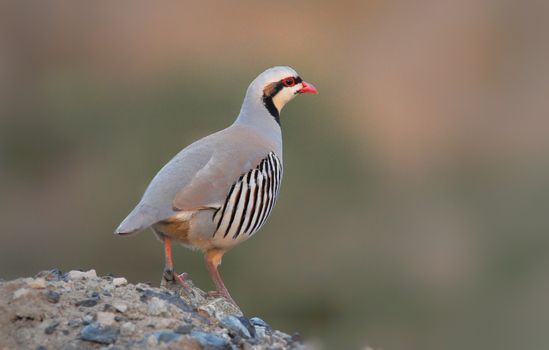
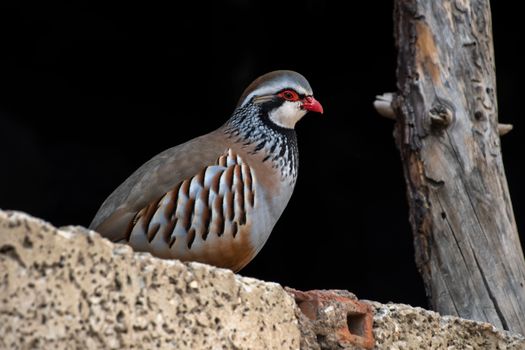
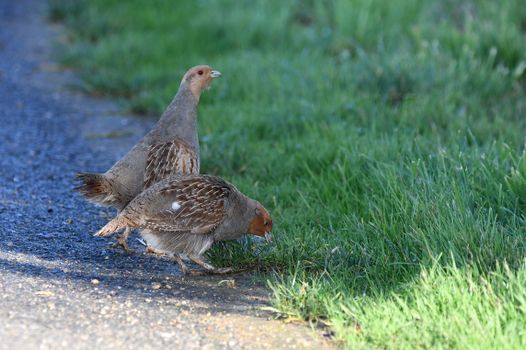
Chukars (Alectoris chukar), commonly known as chukar partridges, are small, hardy birds originating in Asia and southeastern Europe. Their reputation for disease resistance, rapid growth, and flavorful meat has made them increasingly popular among poultry farmers worldwide. In the United States alone, commercial production of chukars has grown by nearly 30% over the past decade according to USDA reports.
However, chukars are not chickens or quail; they have distinct social dynamics, dietary preferences, and space requirements. Integrating them into a farm with established poultry like chickens, ducks, or turkeys can present challenges such as:
.png) - Aggression or stress due to differing flock behaviors
- Competition for resources
- Specific health and biosecurity concerns
- Aggression or stress due to differing flock behaviors
- Competition for resources
- Specific health and biosecurity concerns
Understanding these issues is the first step toward successful integration.
Assessing Farm Readiness: Infrastructure and Biosecurity
Before introducing chukars, it’s crucial to assess your current infrastructure. Chukars are agile and flighty birds. Unlike chickens, which can be content in open coops with low fencing, chukars require secure enclosures to prevent escape and protect from predators. The National Poultry Improvement Plan (NPIP) recommends at least 2 square feet of space per chukar in indoor facilities and 4-5 square feet in outdoor runs.
Consider these key infrastructure upgrades:
- Pen height and netting: Chukars can fly vertically up to 6 feet. Overhead netting is essential. - Nest boxes: Chukars prefer ground nesting in secluded corners. - Separate feeders and waterers: To prevent competition and ensure proper nutrition.Biosecurity is another prime concern. Chukars may carry different pathogens than your existing stock. A 2021 study from the University of Georgia found that mixed-species poultry farms had a 17% higher risk of disease outbreaks compared to single-species operations. Implement strict quarantine protocols for new chukar arrivals, including a minimum 30-day isolation period with daily health checks.
Dietary Needs: Feeding Chukars Alongside Other Poultry
Chukars have specific dietary requirements, especially regarding protein and grit. While chickens thrive on layer or broiler pellets, chukars require a starter feed containing 24-28% protein for the first 6-8 weeks, tapering to 18% for adults. Inadequate protein can slow their growth and reduce egg production.
Mixing chukars with other poultry at feeding stations can lead to either underfeeding or overfeeding, as different species will compete or ignore certain feed types. To address this, create separate feeding areas, and use species-specific feeders that restrict access based on bird size and behavior.
Below is a comparative overview of dietary needs for common poultry species:
| Species | Starter Protein % | Adult Protein % | Calcium (g/kg) | Grit Requirement |
|---|---|---|---|---|
| Chukar Partridge | 24-28% | 18% | 3.5-4.0 | High |
| Chicken (Layer) | 20-22% | 16-18% | 4.0-4.5 | Moderate |
| Quail | 24-28% | 18-20% | 2.5-3.0 | High |
| Duck | 20-22% | 15-16% | 3.0-3.5 | Low |
Additionally, chukars require access to insoluble grit to aid digestion—a critical point since they consume more seeds and grains compared to chickens.
Behavioral Management: Preventing Stress and Aggression
Flock dynamics can make or break your integration efforts. Chukars are more territorial than most domestic fowl and can become highly stressed or aggressive if housed in overcrowded or mixed-species pens. Stress in chukars has been linked to a 15% decrease in egg production according to a 2022 study in Poultry Science Journal.
To minimize conflict:
- House chukars in groups of similar age and size. - Avoid mixing chukars and larger poultry (like adult chickens or turkeys) in the same enclosure. - Use visual barriers and refuge areas (such as brush piles or partitions) to allow birds to escape aggressive encounters. - Introduce new birds gradually, ideally during low-stress periods (early evening or after feeding).Social hierarchy is quickly established among chukars, and disruptions can lead to feather pecking or injury. Monitor daily for signs of stress such as frantic pacing, feather loss, or reduced feeding.
Health, Vaccination, and Routine Care
Integrating chukars into your poultry farm means updating your health management protocols. Chukars are susceptible to some of the same diseases as chickens (like Newcastle disease or fowl cholera), but they may also introduce or contract illnesses less common in domestic poultry.
Key health management steps include:
- Vaccination: Consult with a poultry veterinarian about which vaccines are recommended for chukars in your region. Common vaccines include Newcastle disease and avian pox. - Parasite control: Chukars are prone to coccidiosis. Use medicated feeds or regular fecal checks. - Regular health checks: Inspect for signs of respiratory distress, lethargy, or abnormal droppings. - Record keeping: Maintain separate logs for chukars and other poultry species to track production, illnesses, and treatments.A proactive health plan not only protects your chukar investment but also reduces the disease risk for your entire flock.
Marketing and Economic Considerations for Chukar Integration
Integrating chukars can open new revenue streams. The game bird market in the United States is valued at over $250 million annually, with chukars accounting for a growing share due to their popularity in gourmet restaurants and hunting preserves.
However, production costs differ from traditional poultry. Chukars reach market weight (about 20 ounces) in 14-16 weeks, compared to 6-8 weeks for broiler chickens. Feed consumption averages 2-2.5 pounds per bird from hatch to market, and their higher protein requirements can increase feed costs by 10-15%. On the other hand, chukars often command wholesale prices of $4-$7 per bird, compared to $1.20-$1.50 for broiler chickens.
Careful cost analysis, including infrastructure upgrades and biosecurity investments, is critical. Many farmers find that niche markets and premium pricing offset the higher input expenses associated with chukar integration.
Best Practices for a Smooth Integration of Chukars
To summarize the integration process, consider these practical steps:
1. Evaluate your infrastructure and upgrade for chukar needs (secure fencing, netting, dedicated feeders). 2. Isolate and observe new chukars for at least 30 days. 3. Use species-specific feeding and watering systems to ensure proper nutrition. 4. Gradually introduce chukars to existing flocks, never mixing them directly with larger or more aggressive birds. 5. Implement strict biosecurity and vaccination protocols. 6. Monitor flock dynamics daily, intervening at the first sign of stress or aggression.With careful planning and ongoing management, integrating chukars can diversify your farm income and add resilience to your poultry operation.