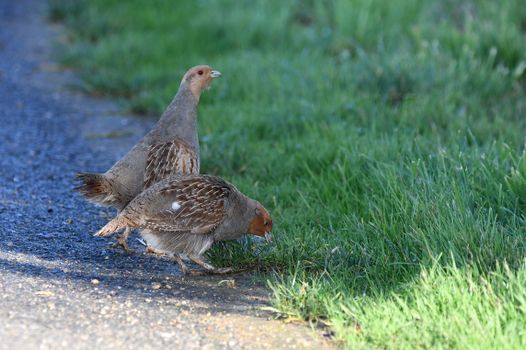
Raising Chukar Partridges in an Organic System: A Practical Guide for Farmers
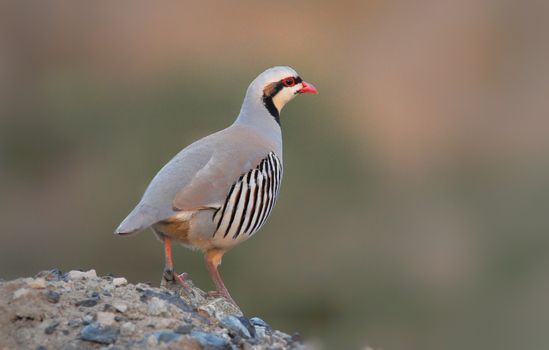
Chukar partridges (Alectoris chukar) have gained popularity worldwide for their adaptability, delicious meat, and value as game birds. As consumer interest in organic and sustainable farming continues to rise, many farmers are exploring how to raise chukar partridges in systems that meet organic standards. Organic chukar farming is not just about avoiding synthetic chemicals—it’s about building a holistic system that prioritizes animal welfare, environmental health, and food quality. In this comprehensive guide, we’ll walk you through the essentials of establishing and maintaining an organic chukar partridge operation, from habitat setup and certified feed to health management practices and marketing opportunities.
The Organic Advantage: Why Raise Chukar Partridges Organically?
Organic farming isn’t simply a trend—it’s a response to growing concerns about food safety, traceability, and the environmental impact of conventional agriculture. According to the Organic Trade Association, U.S. organic food sales reached $61.7 billion in 2022, a 4.4% increase from the previous year. Consumers are willing to pay a premium for organic poultry products, including specialty birds like chukar partridges.
Key benefits of raising chukar partridges organically include:
.png) - $1: Organic poultry meat can command prices 20-40% higher than conventional counterparts.
- $1: Organic systems promote biodiversity, soil health, and reduced chemical runoff.
- $1: Birds benefit from more natural living conditions, which can reduce stress and disease.
- $1: Some regions offer grants or support programs for certified organic producers.
- $1: Organic poultry meat can command prices 20-40% higher than conventional counterparts.
- $1: Organic systems promote biodiversity, soil health, and reduced chemical runoff.
- $1: Birds benefit from more natural living conditions, which can reduce stress and disease.
- $1: Some regions offer grants or support programs for certified organic producers.
By transitioning to an organic system, farmers can tap into a niche market and align with sustainable agriculture principles.
Preparing the Organic Habitat: Land, Housing, and Environmental Needs
A successful organic chukar partridge operation begins with careful planning of the habitat. Unlike conventional setups, organic standards require more naturalistic environments and specific welfare considerations.
$1
Organic certification bodies, such as the USDA or EU Organic, typically mandate:
- Outdoor access with at least 4-6 square feet per bird - Rotational grazing or pasture systems to prevent land degradation - Vegetative cover for foraging and shelterFor example, a flock of 200 chukar partridges would need a minimum of 800-1,200 square feet of outdoor run, ideally divided into multiple pens to facilitate rotation and regrowth.
$1
Chukars are hardy but require protection from predators and extreme weather. Organic housing must:
- Use natural, untreated building materials whenever possible - Provide perches and dust bathing areas - Allow ample natural sunlight and ventilation - Avoid wire flooring, which can injure birds' feet$1
To mimic wild conditions and maintain bird health, incorporate:
- Native grasses, shrubs, and small trees for shade and foraging - Logs, rocks, and sand for dust bathing and stimulation - Clean, fresh water supplied in non-toxic containersThis approach not only meets organic welfare standards but can improve growth rates and reduce behavioral problems like feather pecking.
Organic Feed and Nutrition: What to Feed Chukar Partridges
Feeding is one of the most critical—and regulated—aspects of organic chukar farming. Organic standards prohibit synthetic additives, antibiotics, and genetically modified organisms (GMOs).
$1
Certified organic feed must be:
- Grown without synthetic pesticides or fertilizers - Non-GMO - Free from animal by-productsA typical organic chukar feed mix (per 100 lbs) might include:
- 60 lbs organic cracked corn - 30 lbs organic wheat or barley - 10 lbs organic soybean meal or peas for protein - Trace minerals and vitamins from approved organic sourcesYoung chicks (0-6 weeks) require higher protein—up to 24%—while adults can maintain on 16-18%.
$1
Encourage natural foraging by providing:
- Access to pastures rich in seeds, grasses, and insects - Supplemental greens like alfalfa or clover - Grit and oyster shell for digestion and calciumAvoid medicated feeds and consult your organic certifier before introducing any new supplement.
$1
Water must be free from chlorine, antibiotics, and other prohibited substances. Regularly test for contaminants to ensure compliance.
Health Management in Organic Chukar Partridge Systems
Organic health care emphasizes prevention and natural remedies over synthetic drugs. Disease outbreaks can devastate a flock, but strict biosecurity and proactive care can minimize risks.
$1
- Source chicks from certified disease-free and ideally organic breeders - Quarantine new arrivals for at least 2 weeks - Rotate pastures to break parasite cycles - Regularly clean and sanitize housing with approved natural products (e.g., vinegar, lime)$1
Common problems like coccidiosis, mites, and respiratory issues can often be managed with:
- Diatomaceous earth in dust baths for external parasites - Herbal supplements such as garlic or oregano in feed or water (verify with certifier) - Probiotics and apple cider vinegar to support gut health$1
Some vaccines may be allowed under organic rules if deemed essential to animal welfare. Always consult your certifying agency before administering any medication. Antibiotics are generally prohibited, and treated birds may lose their organic status.
$1
Maintain meticulous records of feed, health interventions, and flock performance to ensure traceability and facilitate organic certification inspections.
Comparing Organic vs Conventional Chukar Partridge Systems
The differences between organic and conventional chukar farming extend well beyond feed choices. Here’s a side-by-side overview:
| Aspect | Organic System | Conventional System |
|---|---|---|
| Feed | Certified organic, non-GMO, no antibiotics | May use medicated or GMO feed, synthetic additives |
| Outdoor Access | Mandatory, with minimum space per bird | Often limited or absent |
| Housing Materials | Natural/untreated, eco-friendly options | May use treated lumber, plastics |
| Health Management | Focus on prevention, natural remedies | Routine antibiotics and synthetic medications allowed |
| Market Price | Premium (20-40% higher) | Standard |
| Certification | Third-party audited, ongoing compliance | Not required |
This comparison highlights both the challenges and rewards of transitioning to organic chukar production.
Certification and Recordkeeping: Meeting Organic Standards
To legally market chukar partridges or their products as organic, farmers must obtain certification from an accredited body. The process involves several key steps:
$1
- Land must be managed organically for at least 3 years prior to certification - All synthetic inputs must be eliminated$1
- Detailed records of all feed, inputs, health interventions, and flock movements - Documentation of supplier certificates for all purchased organic products$1
- On-site audits by a third-party inspector - Review of facilities, records, and procedures$1
- Only certified products can use the term "organic" - Mislabeling can lead to fines or loss of certificationWhile the paperwork can be intensive, many farmers find the price premiums and consumer trust are worth the investment.
Marketing Organic Chukar Partridges: Strategies for Success
Organic chukar partridges appeal to several niche markets, including health-conscious consumers, high-end restaurants, and specialty game bird enthusiasts.
$1
- Farmers’ markets: Engage with local buyers and educate them on organic benefits. - Community Supported Agriculture (CSA): Bundle organic chukar products with other farm goods. - On-farm sales and tours: Offer transparency and build customer loyalty.$1
- Supplying organic meat to restaurants or specialty grocers - Selling eggs for hatching or culinary use$1
Highlight your commitment to animal welfare, environmental stewardship, and food quality. Share photos and stories from your farm on social media and your website to build trust and attract premium buyers.
Future Trends: Organic Chukar Partridge Farming and Sustainability
As demand for ethically raised, traceable protein sources continues to grow, organic chukar partridge farming is poised for expansion. According to a 2023 survey by the International Organic Agriculture Movement, 60% of consumers indicated a willingness to try alternative game birds if raised organically.
Potential developments include:
- Improved organic feed formulations specifically for game birds - Integration of chukar partridge flocks into regenerative agriculture systems - Increased government support for biodiversity-friendly poultry farmingFarmers who invest in organic systems today are not only safeguarding their land and animals but also positioning themselves for future market growth.