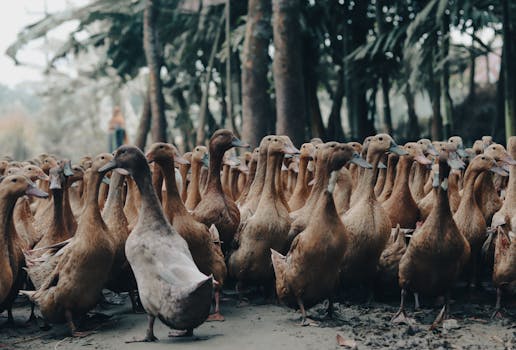
Running a bird farm is often romanticized as an idyllic, pastoral activity, but in reality, it demands a deep understanding of complex and multifaceted challenges. This article delves into the often unseen hurdles that come with managing a bird farm, providing essential insights for anyone considering this venture.
Health Management
A primary concern in bird farming is maintaining the health of the flock. Birds are prone to several diseases, such as avian influenza, Newcastle disease, and psittacosis, which can decimate populations if not properly managed. To prevent outbreaks, rigorous health protocols including vaccinations, regular veterinary checks, and strict sanitation practices must be implemented.
.png)
Breeding Challenges
Successful breeding requires intricate knowledge of bird species’ reproductive behaviors and needs. Factors like light cycles, temperature, humidity, and appropriate nesting materials must be carefully controlled to mimic natural conditions and promote healthy breeding cycles. Mismanagement in any of these areas can lead to low hatch rates and poor chick survival.
Nutritional Requirements
Birds have specific dietary needs that vary by species, age, and health status. Providing the right balance of nutrients is crucial to prevent deficiencies and support overall health. Bird farm operators must ensure that their feeding protocols meet these requirements consistently, using high-quality, suitable feeds.
Behavioral and Welfare Considerations
The psychological well-being of birds is vital. Stress, which can be caused by overcrowding, mishandling, or inadequate habitat conditions, can lead to behavioral problems and health issues. It is essential to provide enough space, social opportunities, and environmental enrichment to keep birds healthy and content.
Regulatory Compliance
Bird farming is subject to a variety of local and international regulations, covering everything from animal welfare to trade. Compliance can include obtaining necessary permits, undergoing inspections, and maintaining detailed records. Understanding and adhering to these regulations is crucial to operate legally and ethically.
Marketing and Customer Education
Birds are a niche market, and potential buyers often need guidance regarding the care, lifespan, and suitability of birds as pets or for other uses. Effective marketing strategies and educational efforts are important for attracting and retaining customers, and for promoting responsible bird ownership.
Environmental Impact
Bird farms must also consider their ecological footprint. This includes managing waste properly, minimizing noise, and preventing environmental contamination. Moreover, ethical considerations around breeding birds in captivity require careful, sustainable management practices to mitigate any negative impacts.
Conclusion
Managing a bird farm involves far more than just feeding and housing birds. It requires a comprehensive approach to health, breeding, diet, behavior, compliance, marketing, and environmental stewardship. While challenging, for those passionate about aviculture, bird farming can provide a fulfilling opportunity to engage with and protect these fascinating creatures, making a significant contribution to both the economy and biodiversity.