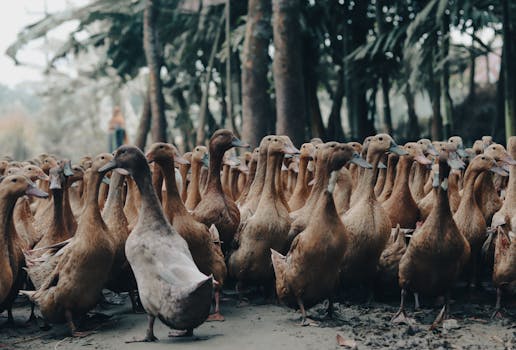
Starting a game bird farm is an intricate process that blends nature and nurture, requiring not only a passion for avian species but also the right equipment to ensure a thriving operation. Whether you plan to focus on pheasants, quails, or other game birds, having the proper setup is crucial for both the health of the birds and the profitability of your business. Here is a detailed breakdown of the essential equipment you need to start a game bird farm.
- Brooders or Incubators
At the very beginning of your game bird farming journey, you will need either an incubator for hatching eggs or brooders for raising chicks. Incubators must reliably control temperature, humidity, and provide the necessary turning mechanism to simulate the natural conditions under which eggs thrive. For those who start with chicks, brooders are essential as they maintain a controlled warm environment that safeguards the chicks during their critical early days.
- Heating Equipment
Providing a warm environment is crucial, especially for young game birds. Options like brooder lamps or radiant heaters help maintain necessary temperatures and prevent mortality due to cold. The choice of heater will depend on your operation's scale and the specific needs of the species you're raising.
.png)
- Feeders and Waterers
Efficient feeding systems and clean water are paramount for healthy birds. Choose feeders that minimize waste and are accessible to the birds at all stages of growth. Waterers should be easy to clean and always provide fresh water to help prevent the spread of diseases.
- Fencing and Security
Security measures are critical to protect your birds from predators and ensure they remain within designated areas. Depending on local predators and the agility of the birds, you might opt for anything from electric netting to more robust solid fencing. Enclosures or night houses should be secure to protect against adverse weather and predators.
- Flight Pens
These are necessary for mature birds to exercise and develop their flying skills. Constructed from a combination of sturdy frames and wire mesh, flight pens should be spacious enough to accommodate the flight needs of the specific game bird species you are raising.
- Health Management Supplies
A healthy flock requires regular checks and a clean environment. Equip yourself with a poultry-specific first aid kit that includes wound care, vitamins, and medication for common ailments. Proactive health management is key to preventing disease outbreaks.
- Record Keeping Tools
Accurate record-keeping aids in tracking the growth, health, and breeding patterns of your birds, along with managing financial aspects of your farm. Depending on your operation's size, you might use specialized software or simple spreadsheets and journals.
- Transportation Equipment
For those intending to sell or move birds, proper transportation is crucial. Use bird-specific crates or boxes that are well-ventilated and durable to ensure safe and comfortable transit.
- Processing Equipment
If you plan to market game bird meat, appropriate processing tools and facilities are essential. This equipment might include pluckers, scalers, and refrigeration units. Always ensure compliance with local food processing regulations.
- Educational Materials
Knowledge is as crucial as physical tools in game bird farming. Invest in quality books, attend relevant workshops, and seek advice from experienced farmers. Understanding your birds' behavioral patterns, dietary needs, and health issues will significantly enhance your ability to manage your farm effectively.
Starting a game bird farm is not just about assembling the right equipment; it's about creating a sustainable environment where game birds can prosper. With thorough preparation and dedication, your game bird farm can flourish, providing personal satisfaction and a potential source of income.