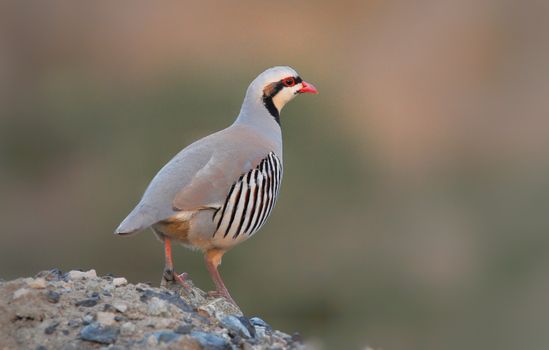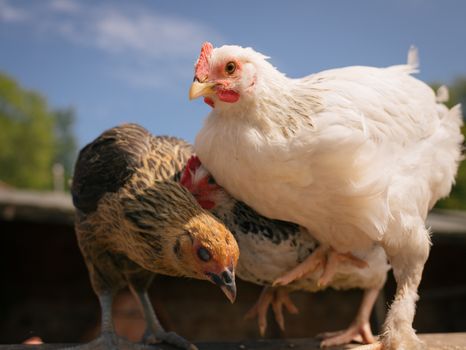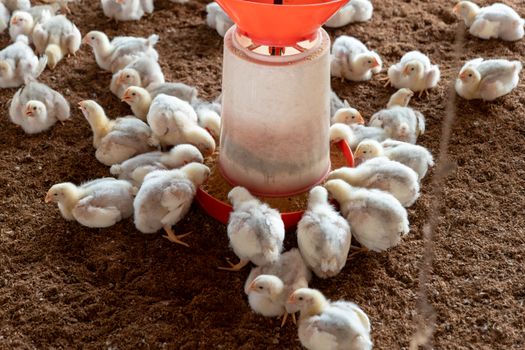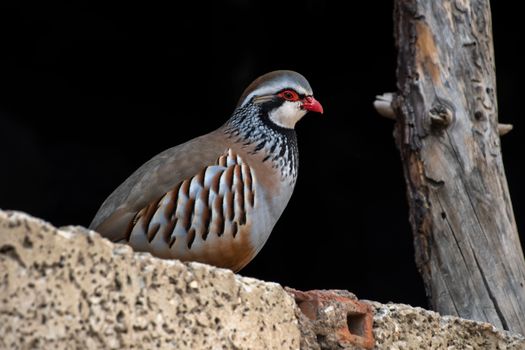
Game bird farming is a rapidly growing sector in agriculture, attracting entrepreneurs and rural families alike with the promise of profit and sustainability. Whether supplying hunting preserves, stocking wildlife, or selling gourmet poultry, the opportunities seem abundant. However, for every success story, there are cautionary tales of beginners who underestimated the complexities of the business. Avoiding common missteps can make the difference between a thriving operation and costly disappointment. Here, we unpack the top mistakes to avoid when starting a game bird farm, drawing on industry data, real-world examples, and expert guidance to help your venture soar from the very start.
The Hidden Pitfall of Inadequate Market Research
Many aspiring game bird farmers are captivated by the idea of raising pheasants, quail, or partridges, but fail to do thorough market research before investing thousands of dollars. According to the USDA, in 2022, the U.S. produced over 45 million game birds, but only about 65% of these were sold at a profit. The difference often comes down to understanding your market.
A common mistake is assuming that local hunting preserves or restaurants will automatically buy your birds. In reality, niche demand, regional preferences, and seasonal fluctuations all play critical roles. For example, northern states may have a robust hunting preserve market in autumn, while southern states might see higher demand for gourmet table birds year-round.
.png)
Successful farmers often spend months contacting preserves, chefs, and wildlife managers, learning about licensing requirements, and examining competitor pricing. They also analyze trends—such as the 18% increase in demand for organically raised birds between 2019 and 2023. Without this groundwork, you risk producing birds that no one wants to buy, or missing out on lucrative but less obvious opportunities, such as supplying dog training facilities or selling hatching eggs online.
Facility Design Flaws and Biosecurity Oversights
The excitement of setting up pens, brooders, and flight cages can lead to costly facility mistakes. The most frequent errors are underestimating space requirements and neglecting biosecurity measures, both of which can have devastating consequences.
For instance, quail require at least 1 square foot per bird for optimal growth, while pheasants need 20 square feet each if you want to prevent feather pecking and cannibalism. Overcrowding is one of the leading causes of disease outbreaks and mortality, with studies showing that crowded pens can increase death rates by up to 30%.
Biosecurity is another area where beginners often falter. Diseases like Newcastle disease and avian influenza can wipe out entire flocks in days. The USDA reported over $400 million in game bird losses in the last decade due to preventable disease outbreaks. Common biosecurity mistakes include:
- Failing to restrict visitor access - Not disinfecting boots, equipment, and vehicles - Mixing species in the same enclosure - Allowing wild birds to mingle with your flockInvesting in footbaths, perimeter fencing, and dedicated clothing for farm staff may seem excessive at first, but these steps often determine the long-term viability of your farm.
Financial Underestimation and Poor Budgeting
Starting a game bird farm involves significant upfront costs, from purchasing breeding stock to building enclosures and buying feed. A 2021 survey by the Game Bird Breeders Association found that 43% of new farmers underestimated their first-year expenses by at least 25%. This oversight is often due to hidden or recurring costs, such as ongoing veterinary care, feed price fluctuations, and equipment repairs.
Here’s a comparative overview of initial and recurring costs for a small-scale game bird farm (starting with 500 birds):
| Expense Category | Estimated Initial Cost | Estimated Annual Recurring Cost |
|---|---|---|
| Breeding Stock | $2,000 | $500 (replacements) |
| Housing/Pens | $8,000 | $1,000 (maintenance) |
| Feed | $1,500 (first month) | $6,000 |
| Veterinary/Health | $500 (set-up) | $1,500 |
| Licensing & Permits | $300 | $150 |
| Marketing | $500 | $1,000 |
| Total | $12,800 | $10,150 |
This table illustrates why it’s essential to budget for both initial setup and ongoing costs. Cash flow shortages are among the top three reasons new game bird farms fail within the first two years.
Neglecting Legal, Licensing, and Permitting Requirements
Game bird farming is subject to a web of federal, state, and local regulations. These laws are designed to protect native wildlife, prevent disease, and ensure humane treatment of animals. A major pitfall for beginners is overlooking or misunderstanding these regulations, leading to fines, stock confiscation, or business closure.
Examples include:
- Not securing a game breeder’s license, which is required in most states - Failing to obtain import or transport permits for buying breeding stock across state lines - Ignoring local zoning ordinances that govern noise, waste management, or commercial activitiesIn 2023, the state of Texas issued over 200 citations to game bird breeders for licensing violations, with fines ranging from $500 to $5,000 per offense. It’s crucial to contact your state wildlife agency and local authorities before bringing birds onto your property. Some states, like California, also require inspection and approval of facilities before licensing is granted.
Ignoring Genetics, Stock Quality, and Health Management
Not all game birds are created equal. A frequent beginner’s error is purchasing the cheapest available stock or eggs without considering genetics, health status, or suitability for your market. Inferior genetics can result in poor growth rates, low egg production, or birds that lack the coloration and vigor prized by hunters and chefs.
For example, Cornell University research found that high-quality pheasant strains can command prices 30% higher than generic lines, due to superior flight ability and appearance. Furthermore, starting with disease-free, certified stock reduces your risk of introducing chronic illnesses that are difficult to eradicate.
Health management is an ongoing process. Skimping on vaccinations, parasite control, or routine health checks can lead to catastrophic losses. A 2020 industry report noted that farms investing in annual health plans had 40% lower mortality rates and 25% higher productivity compared to those with a reactive, as-needed approach.
Overlooking Staff Training and Daily Management
Game bird farming is hands-on and requires consistent, knowledgeable care. Many new operators underestimate the time and expertise needed for daily management—feeding, cleaning, monitoring bird health, and maintaining facilities.
Lapses in observation (such as missing early signs of disease or injury) can escalate quickly in large flocks. For instance, a single infectious outbreak can spread through 1,000 quail in under 48 hours if not promptly addressed. Training staff not only in routine care but also in emergency procedures is vital.
Consider these key staff training areas:
- Species-specific nutrition and feed management - Safe handling and restraint of birds - Disease recognition and reporting - Proper cleaning and disinfection protocolsSome successful farms invest in continuing education and even partner with local veterinary schools or extension agents to keep up with best practices.
Final Thoughts: Setting Your Game Bird Farm Up for Success
Starting a game bird farm is an exciting, rewarding venture, but it is also fraught with avoidable mistakes. By conducting thorough market research, investing in proper facilities and biosecurity, budgeting realistically, staying compliant with regulations, prioritizing genetics and health, and training your staff, you can lay a strong foundation for growth.
Remember, in game bird farming, prevention is always more cost-effective than cure. With careful planning and a willingness to learn from others’ missteps, you can avoid the most common pitfalls and build a sustainable, profitable business that stands the test of time.