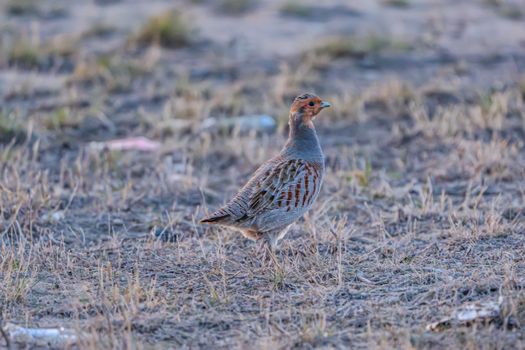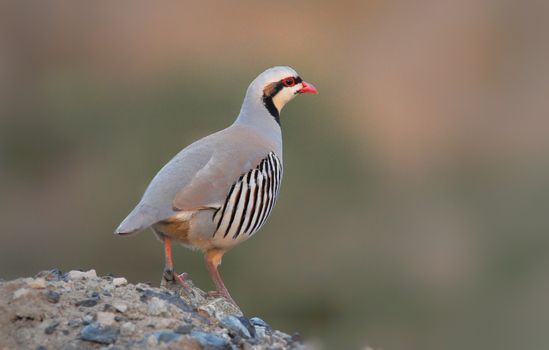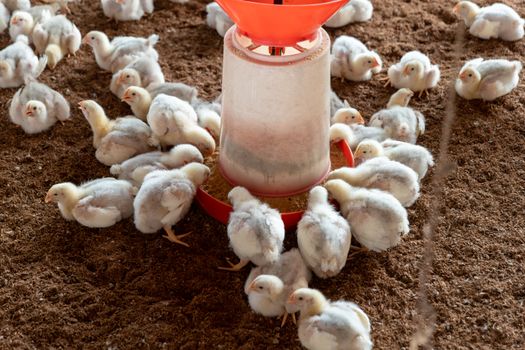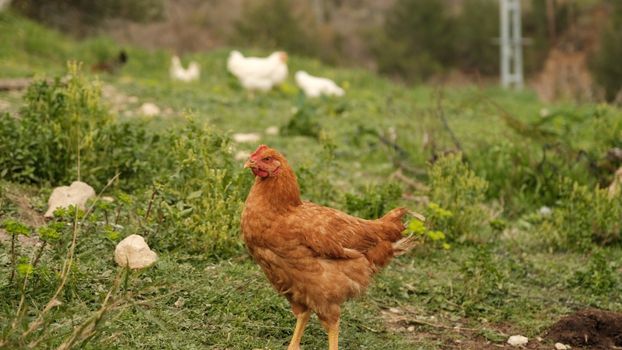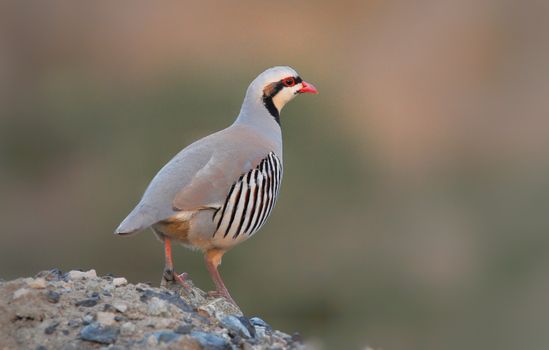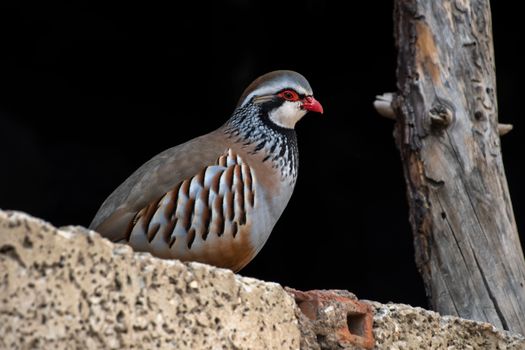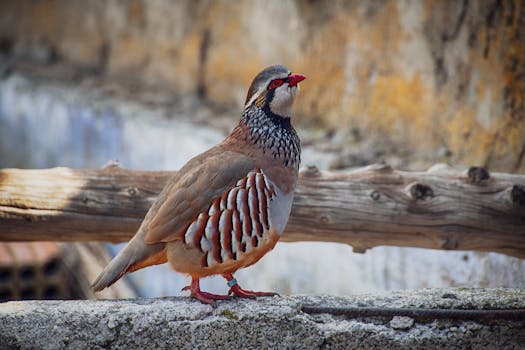
Chukar partridges (Alectoris chukar) are renowned for their hardy nature, adaptability, and value in both game bird and specialty poultry markets. For farmers, breeders, and enthusiasts, ensuring the ongoing health of these robust birds is crucial not only for productivity and profitability but also for ethical animal husbandry. Unlike chickens or quail, Chukars have unique health considerations that require dedicated attention. In this article, we’ll explore a comprehensive approach to monitoring the health of Chukar partridges, with a special focus on preventing common diseases and identifying early warning signs of health issues. By adopting proactive strategies and understanding key indicators, you can maintain a thriving flock and reduce the risk of costly outbreaks.
The Importance of Proactive Health Monitoring in Chukar Partridges
Effective health monitoring is the foundation of Chukar partridge management. According to a 2021 survey by the National Poultry Improvement Plan (NPIP), disease outbreaks in game birds, including Chukars, can reduce flock productivity by up to 35% annually. Early detection of health problems enables swift intervention, minimizing losses and improving overall flock well-being.
Health monitoring is more than just looking for sick birds. It involves systematic observation, record-keeping, and the use of diagnostic tools to detect subtle changes in behavior, appetite, and production. With Chukars, whose stoic nature can mask symptoms until diseases are advanced, vigilance is especially important.
.png) Key reasons to monitor Chukar health proactively include:
- Preventing the spread of infectious diseases within the flock
- Ensuring optimal growth rates and egg production
- Reducing reliance on antibiotics and medications
- Safeguarding market reputation and profitability
Key reasons to monitor Chukar health proactively include:
- Preventing the spread of infectious diseases within the flock
- Ensuring optimal growth rates and egg production
- Reducing reliance on antibiotics and medications
- Safeguarding market reputation and profitability
By investing in prevention and routine monitoring, you can save significant costs in veterinary care and reduce mortality rates, which commonly range from 5-12% annually in poorly managed flocks.
Recognizing Early Warning Signs: What to Watch For
Understanding the typical behavior and appearance of healthy Chukar partridges is the first step in spotting potential health issues. Healthy Chukars are active, alert, have smooth, glossy feathers, and display consistent eating and drinking habits. Deviations from these norms can be a red flag.
Some early warning signs to monitor daily include: - Decreased activity or lethargy - Ruffled or dull plumage - Sudden drop in feed or water consumption - Changes in droppings (diarrhea, blood, undigested feed) - Labored breathing or persistent sneezing - Swollen joints or lameness - Unusual vocalizations or isolation from the flockA practical tool for flock keepers is a daily health checklist. This can be as simple as a notebook or a digital record, allowing you to quickly spot trends. By noting minor changes over days or weeks, you’re more likely to detect diseases in their earliest stages, when intervention is most effective.
Common Diseases and Issues in Chukar Partridges
Chukar partridges are susceptible to a range of diseases, many of which can spread rapidly if not detected early. Some of the most common health issues include:
1. Coccidiosis: Caused by protozoan parasites, coccidiosis is a major threat to young Chukars. Symptoms include droopiness, bloody droppings, and rapid weight loss. According to the American Association of Avian Pathologists, coccidiosis can wipe out up to 50% of an untreated flock during severe outbreaks. 2. Newcastle Disease: This viral disease presents with respiratory distress, greenish diarrhea, and neurological symptoms like twisted necks. Outbreaks are highly contagious—one infected bird can spread the virus to an entire flock within days. 3. Respiratory Infections: Chukars can suffer from infectious bronchitis, mycoplasmosis, and other respiratory diseases. Symptoms include coughing, sneezing, and gasping. Poor ventilation and dusty bedding increase risks. 4. Worm Infestations: Parasitic worms such as roundworms and tapeworms cause weight loss, poor feathering, and decreased egg production. In one 2020 field study, 38% of tested Chukar flocks showed evidence of internal parasites. 5. Foot and Leg Issues: Pododermatitis (bumblefoot) and gout can develop due to wet litter or nutritional imbalances, resulting in swelling and lameness.Prevention is far more effective than treatment. Understanding these threats allows you to tailor your management practices and biosecurity routines accordingly.
Comparing Disease Prevention Strategies: What Works Best?
A variety of strategies can be used to prevent common diseases in Chukar partridges. The table below compares their effectiveness, cost, and ease of implementation for small and medium-sized flocks.
| Prevention Strategy | Effectiveness | Estimated Cost | Ease of Implementation |
|---|---|---|---|
| Strict Biosecurity | High (up to 90% disease reduction) | Low (mainly time/labor) | Moderate |
| Routine Vaccination | Medium-High (60-80% for some diseases) | Medium ($0.15 to $0.30/bird/year) | Requires training |
| Regular Litter Change | Medium (40-60% reduction in some infections) | Low to Medium | Easy |
| Proactive Parasite Control | High (up to 85% effectiveness) | Medium ($0.10 to $0.20/bird/quarter) | Easy |
| Daily Health Checks | High (critical for early detection) | Low (time-based) | Easy |
As shown, daily health checks and strict biosecurity measures (such as limiting visitor access, disinfecting equipment, and quarantining new birds) provide the highest return on investment. Routine vaccinations are also valuable, but not all diseases affecting Chukars have vaccines available.
Environmental and Nutritional Factors Impacting Chukar Health
Environmental and nutritional management are central to disease prevention. Stress, overcrowding, and poor diet compromise the immune system, making birds more vulnerable to infection.
1. Stocking Density: Overcrowded enclosures (more than 10 birds per square meter) increase aggression, stress, and disease transmission. The ideal density for Chukars is 5-7 birds per square meter. 2. Ventilation: Good airflow is essential to prevent respiratory diseases. Ammonia levels above 20 ppm can damage lung tissue—regularly check air quality, especially in enclosed housing. 3. Litter Management: Wet or soiled bedding is a breeding ground for bacteria and parasites. Change litter at least once every 10-14 days and immediately after heavy rainfall or spills. 4. Nutrition: Chukars require a balanced diet with 24-26% protein for chicks and 18-20% for adults, plus adequate vitamins and minerals. Deficiencies in vitamin A or calcium can lead to immune problems and leg deformities. 5. Clean Water: Water sources should be checked daily. Contaminated water is a common vector for disease.Environmental enrichment, such as perches and dust baths, also supports physical health and reduces stress-driven behaviors like feather pecking.
Technology and Tools for Modern Flock Health Monitoring
Advancements in poultry technology now allow even small-scale Chukar keepers to monitor flock health more efficiently. Here are some practical tools and methods:
- Wireless Environmental Sensors: These devices continuously track temperature, humidity, and ammonia levels in real time, alerting you to conditions that could promote disease. - Automated Feed and Water Systems: These systems reduce contamination risk and ensure consistent nutrition, which is vital for immune function. - Smart Cameras: Motion-sensitive cameras can help detect abnormal behaviors, such as excessive isolation or reduced activity, which are often precursors to illness. - Record-Keeping Apps: Digital flock management platforms make it easy to track health data, vaccinations, and interventions across seasons.A 2023 study published in the Journal of Avian Medicine found that farms using automated monitoring systems reported a 23% decrease in disease incidence compared to those relying solely on manual checks.
Key Takeaways for Long-Term Chukar Partridge Health
Consistent and thorough health monitoring is the most effective way to prevent disease and ensure the welfare of your Chukar partridges. By combining daily observation, good husbandry, and modern technology, you can dramatically reduce the risk of common diseases and maintain a productive, resilient flock.
Remember: - Early detection is your best defense against serious outbreaks - Prevention strategies like biosecurity and parasite control are highly cost-effective - Optimal environment and nutrition are the foundation of bird health - Leveraging technology can save time and improve outcomesBy staying vigilant and proactive, Chukar keepers can protect their flocks and their investment for years to come.