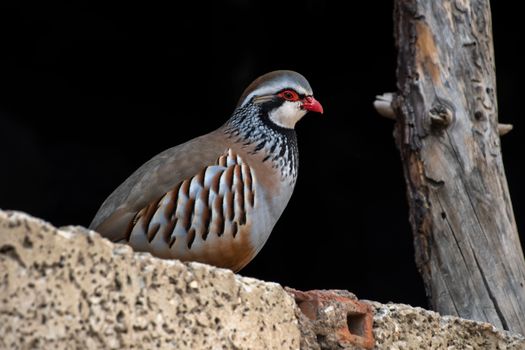
Sexing Chukar Partridges: How to Identify Males and Females
Chukar partridges (Alectoris chukar) are captivating game birds, well known for their adaptability, striking appearance, and value in both hunting and farming communities. Whether you are an aviculturist, hobbyist, or a game bird farmer, knowing how to reliably distinguish male from female chukars is essential. Sexing chukar partridges not only helps with breeding programs and flock management but also ensures a balanced and productive population. However, unlike some poultry species, chukar partridges are not sexually dimorphic in an obvious way, making sex identification a nuanced process.
This article explores the most effective methods for sexing chukar partridges, highlights key physical and behavioral differences, and provides practical tips to help you confidently tell males from females at various life stages.
Why Sexing Chukar Partridges Matters
Understanding the sex of your chukar partridges is vital for several reasons. First, accurate sexing enables planned breeding, ensuring genetic diversity and productivity. Second, it helps prevent aggression, as too many males in an enclosure can lead to fights and stress. Third, in commercial settings, knowing the male-to-female ratio directly influences egg production rates and business profitability.
.png)
For instance, in a typical breeding program, a ratio of one male to four or five females is optimal for maximizing fertile egg production. Additionally, some regulations for game bird release or hunting may require sex-specific data, further highlighting the need for reliable identification.
Physical Differences Between Male and Female Chukars
While chukar partridges exhibit subtle sexual dimorphism, several physical traits can help distinguish males from females, especially in mature birds:
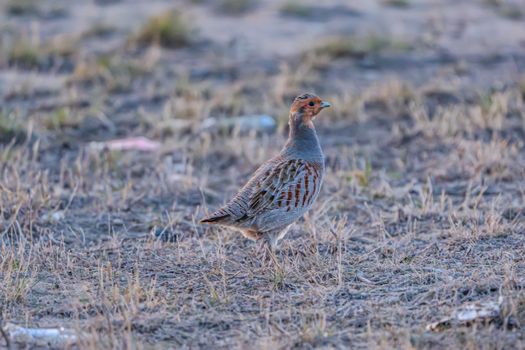
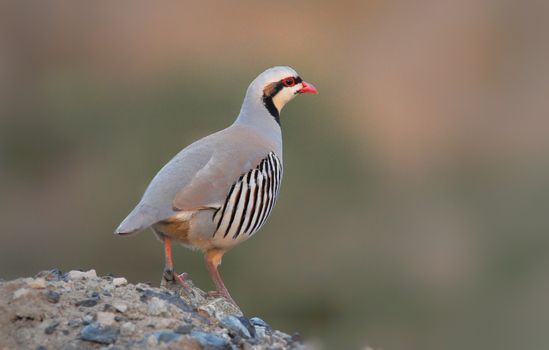
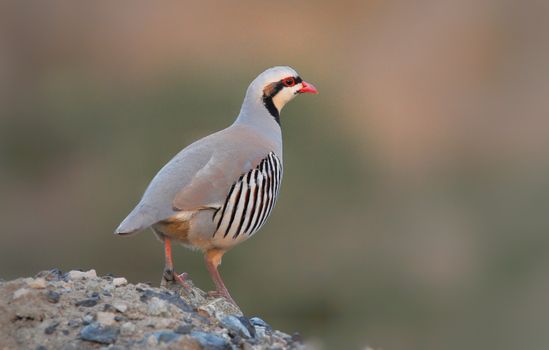
1. $1 Males commonly develop small but noticeable spurs on the back of their legs. These are bony projections used in dominance displays and fighting. Female chukars typically have no spurs or only tiny, undeveloped bumps. 2. $1 Males are generally larger, with a more robust build and a slightly longer tail. On average, adult males weigh between 538-680 grams (19-24 ounces), while females are slightly lighter, ranging from 450-590 grams (16-21 ounces). 3. $1 Both sexes have similar coloration — a gray-brown back, buff belly, and striking black-and-white barring on the flanks — but males may have more vivid facial markings and a broader black band running from the forehead through the eyes, forming a necklace. 4. $1 Mature males often exhibit brighter red beaks and legs compared to females, although this difference is subtle and varies by individual and diet.Behavioral Clues to Sexing Chukar Partridges
Physical differences can be ambiguous, especially in young or non-breeding birds. Observing behavior is a valuable supplementary method:
- $1 Males are generally more vocal, especially during the breeding season (March to June in the Northern Hemisphere). Their "chuk-chuk-chukar" call is louder and more frequent, used for attracting females and establishing territory. - $1 Watch for males performing courtship rituals, such as circling, puffing up their plumage, and offering food to females. Males may also engage in mock fights or aggressive displays to assert dominance. - $1 Males tend to be more territorial, especially during the breeding season, and may chase or peck at rivals.While these behaviors are not foolproof, combining them with physical characteristics increases the accuracy of sexing adult chukar partridges.
Sexing Chukar Partridges at Different Life Stages
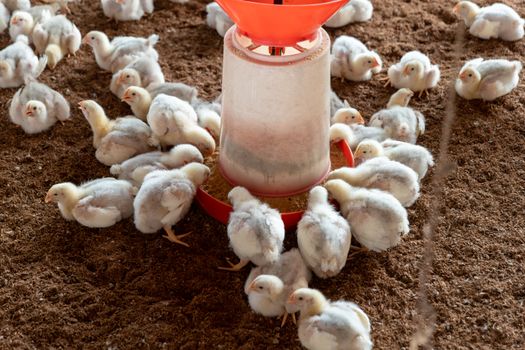
Sexing chukar partridges is most challenging in chicks and juveniles. Here’s how identification methods apply at each stage:
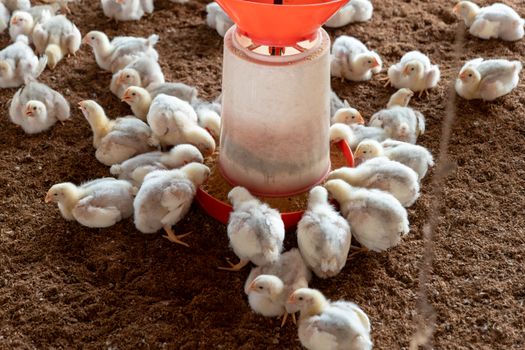
- $1 Sexing by appearance is nearly impossible at this age. Both sexes look nearly identical. Some breeders attempt to use the "vent sexing" method, common in poultry, but this requires expert skill and can harm the chick. - $1 Subtle differences begin to emerge. Males may start to show the beginnings of spur development, and behavioral differences become more apparent. However, accuracy remains low unless observed alongside mature birds. - $1 Physical and behavioral distinctions become pronounced. At this age, most of the reliable sexing methods can be applied.Below is a comparison table summarizing sexing cues at different life stages:
| Life Stage | Physical Sexing Reliability | Behavioral Sexing Reliability | Recommended Method |
|---|---|---|---|
| Chicks (0-8 weeks) | Very Low | Very Low | DNA or Expert Vent Sexing |
| Juveniles (2-6 months) | Moderate | Moderate | Observe for Spurs, Early Behavioral Cues |
| Adults (6+ months) | High | High | Spur Check, Size, Behavior |
Scientific and Practical Sexing Methods
For those requiring the highest accuracy, scientific sexing methods are available:
1. $1 This technique involves sending a feather or blood sample to a laboratory for DNA analysis. DNA sexing boasts almost 100% accuracy, regardless of the bird’s age. It is especially useful for breeders who need to sex chicks for early flock management. 2. $1 Practiced commonly in poultry hatcheries, vent sexing requires skill and experience. It involves gently examining the chick’s cloacal region for minute anatomical differences. While possible in chukars, it’s not recommended for beginners due to the risk of injury. 3. $1 In rare cases, veterinarians can perform endoscopic sexing by examining the bird’s reproductive organs. This method is precise but invasive and costly, so it is seldom used in routine management. 4. $1 Unlike some poultry breeds, chukar partridges do not exhibit feather sexing traits (such as different wing feather lengths in males vs. females). Therefore, this method is ineffective for chukars.For the majority of backyard keepers and small-scale farmers, combining physical, behavioral, and scientific methods offers the best results.
Common Mistakes and Tips for Accurate Chukar Sexing
Misidentifying the sex of chukar partridges is a common source of frustration. Here are some tips to improve accuracy:
- $1 Always assess multiple characteristics, as individual variation is common. - $1 Comparing birds of the same age and flock can highlight subtle differences in size, spur development, and coloration. - $1 Some traits, like brighter leg coloration and increased aggression, are more evident during the breeding season. - $1 Document observed behaviors, physical changes, and any DNA test results to refine your sexing skills over time. - $1 If uncertain, consult an experienced breeder or avian veterinarian for confirmation.Final Thoughts on Sexing Chukar Partridges
Accurate sexing of chukar partridges is both an art and a science. While males and females appear very similar to the untrained eye, careful observation of physical and behavioral cues, combined with scientific methods like DNA sexing, can yield reliable results. Understanding these differences is crucial for effective flock management, successful breeding, and ensuring the vitality of your chukar population. With practice and attention to detail, anyone can become proficient at distinguishing male from female chukars, maximizing both the enjoyment and productivity of keeping these fascinating birds.