Raising Chukar Chickens as a Hobby: A Practical Guide to Enjoyment and Success
Chukar chickens, also known as Chukar partridges, are gaining popularity among backyard poultry enthusiasts and hobby farmers alike. Their attractive plumage, spirited personalities, and adaptability make them a fascinating addition to any small-scale poultry setup. Whether you’re seeking an engaging project, a sustainable source of eggs and meat, or simply a unique conversation starter, raising Chukar chickens as a hobby can be exceptionally rewarding.
But where should a hobbyist begin? Unlike common backyard chickens, Chukar partridges have distinct needs and behaviors. This practical guide will walk you through the essentials, from sourcing healthy chicks to creating a thriving environment and enjoying the many pleasures of Chukar chicken keeping.
Understanding the Appeal of Chukar Chickens for Hobbyists
Chukar chickens stand apart from traditional poultry breeds in several compelling ways. Native to the rocky slopes of Eurasia, they are hardy birds known for their resilience, low maintenance requirements, and captivating behavior.
.png)
One reason many hobbyists choose Chukars is their manageable size. Adult Chukars typically weigh between 19 and 26 ounces (about 540 to 740 grams), making them suitable for even modest yards or aviaries. Their quiet, melodious calls are far less disruptive than the crowing of roosters, making Chukars a discreet choice for suburban settings.
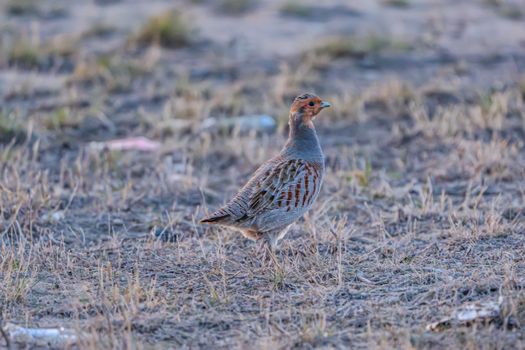
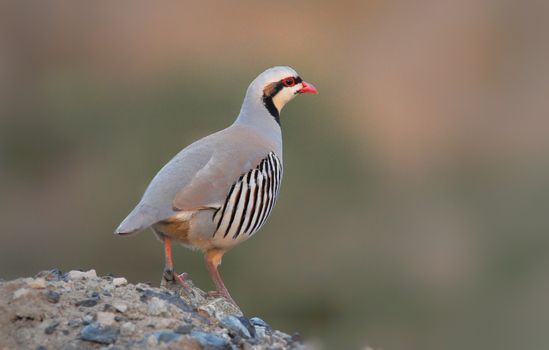
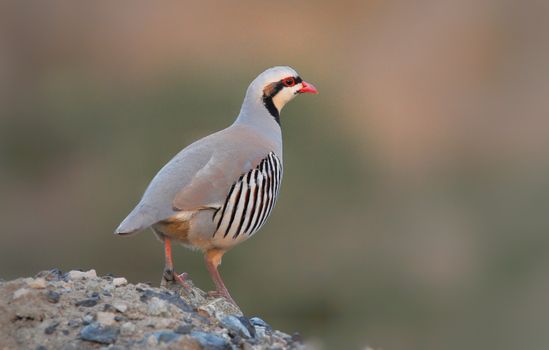
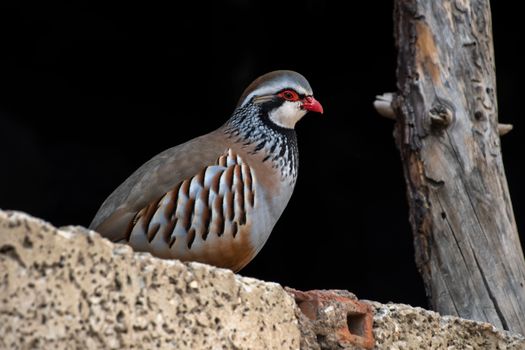
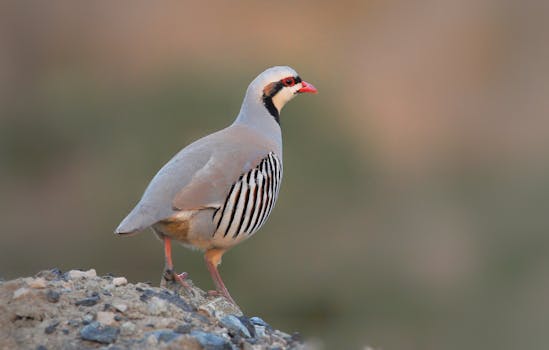
Chukar partridges also have a unique appearance. With their striking black and white face markings and bold chestnut barring along their flanks, they are visually stunning. Their natural foraging instincts and energetic movements provide endless entertainment for those who enjoy observing animal behavior.
Furthermore, Chukars are excellent layers compared to other game birds. A healthy hen can produce up to 50-80 eggs per season, and their eggs are prized for their rich flavor and attractive speckled shells. For hobbyists interested in small-scale egg production, Chukars offer a steady and satisfying yield.
Getting Started: Sourcing Chukar Chicks and Equipment
The first step to a successful Chukar chicken hobby is sourcing healthy stock and suitable equipment. Most hobbyists begin with day-old chicks or hatching eggs from reputable breeders or hatcheries. It’s important to choose a supplier that guarantees disease-free birds and provides information on their breeding practices.
Basic equipment for raising Chukar chicks includes:
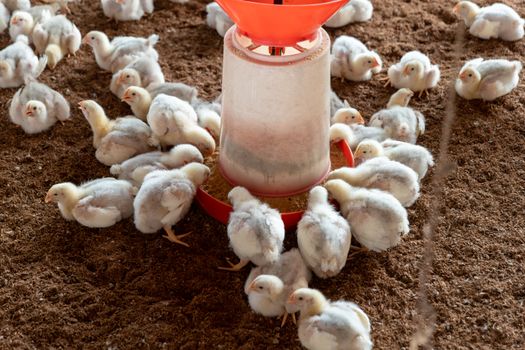
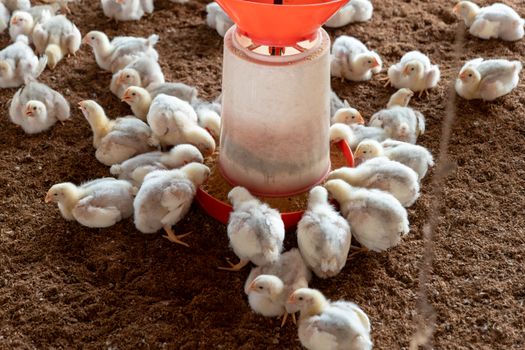
- Brooder box with secure, draft-free walls - Heat lamp or brooder heater to maintain a steady temperature of 90-95°F (32-35°C) for the first week - Non-slip bedding such as paper towels or rubber mats (avoid slippery surfaces to prevent leg injuries) - Clean waterers and chick feeders designed for game birds - Starter feed with at least 24% protein contentUnlike chickens, Chukar partridge chicks are highly sensitive to humidity and temperature fluctuations. Regularly monitor conditions and adjust as necessary. Chicks should be transitioned to a cooler brooder (reduced by 5°F per week) until they are fully feathered at around 6-8 weeks of age.
For adult birds, you’ll need a secure aviary or pen with at least 4 square feet per bird. Chukars are excellent flyers and can easily escape enclosures that aren’t completely covered. Use fine mesh or netting over the top and along the sides to prevent escapes and deter predators.
Creating the Ideal Chukar Chicken Habitat
A well-designed habitat is crucial for Chukar chicken health and happiness. These birds are adapted to rugged, rocky environments with plenty of ground cover, so try to replicate these features in your enclosure.
Key habitat considerations:
- Space: Allow a minimum of 4 square feet per adult Chukar, but more is always better. Overcrowding can lead to aggressive behavior and feather pecking. - Shelter: Provide a weatherproof shelter or coop within the pen for protection from rain, wind, and extreme temperatures. - Ground cover: Incorporate logs, rocks, or branches to offer hiding spots and stimulate natural exploration. Natural sand or gravel flooring helps wear down their toenails and mimics their native terrain. - Dust bath area: Chukars love to dust bathe, which helps control parasites and keeps feathers in top condition. Supply a shallow tray with clean sand or fine dirt. - Feeding and watering stations: Position feeders and waterers to minimize contamination and spillage.Chukars are less domesticated than chickens, and they tend to be flighty and wary of humans. While some individuals will become tame over time, most prefer minimal handling and plenty of space.
Chukar Chickens vs. Other Game Birds: A Comparison
If you’re considering Chukar partridges alongside other game birds for your hobby, it’s helpful to compare their key attributes. Below is a table contrasting Chukars with Japanese quail and Ring-necked pheasants, two other popular options.
| Species | Adult Weight | Egg Production (per year) | Temperament | Space Requirement (per bird) | Flightiness |
|---|---|---|---|---|---|
| Chukar Partridge | 19-26 oz (540-740g) | 50-80 | Alert, active | 4 sq ft | High |
| Japanese Quail | 3.5-5 oz (100-140g) | 200-300 | Docile, calm | 1 sq ft | Low |
| Ring-necked Pheasant | 35-53 oz (1-1.5kg) | 40-60 | Shy, nervous | 10 sq ft | Very High |
As shown, Chukars strike a balance between manageability and productivity. They require more space than quail but less than pheasants, and their egg yield is respectable for their size.
Feeding, Health, and Seasonal Care for Chukar Chickens
Proper nutrition is essential for healthy, productive Chukar chickens. Their diet should be tailored to their age and purpose:
- Chicks (0-8 weeks): High-protein (24-28%) game bird starter feed - Juveniles (8-16 weeks): Transition to a grower feed with 20-22% protein - Adults (16+ weeks): Maintenance feed with 18-20% protein, supplemented with seeds, grains, and greensAlways provide clean, fresh water. Chukars are prone to coccidiosis and other diseases spread through dirty water or damp bedding, so meticulous hygiene is vital.
Health tips for hobbyists:
- Monitor birds for signs of illness, such as lethargy, ruffled feathers, or diarrhea. - Vaccination is usually not required for small hobby flocks, but routine deworming may be beneficial. - Minimize stress by avoiding overcrowding and sudden changes to their environment. - In winter, ensure shelter is draft-free and bedding is dry. Chukars tolerate cold well if kept dry and protected from wind. - In hot weather, provide shade and extra water to prevent heat stress.Chukar chickens are generally robust, but a proactive approach to health will keep your flock thriving year-round.
The Joys and Challenges of Raising Chukar Chickens as a Hobby
Embracing Chukar chickens as a hobby comes with unique pleasures and a few challenges. Many hobbyists find great satisfaction in observing their natural behaviors, collecting beautiful eggs, and sharing their knowledge with friends and family.
Some of the joys include:
- Watching social interactions and dust baths - Harvesting distinctive, speckled eggs - The pride of successfully hatching and raising chicks - Attracting wildlife and fostering biodiversity in your backyardChallenges may include:
- Flightiness and difficulty taming - Escape attempts if enclosures are not secure - Sensitivity to dampness and poor hygiene - Limited availability of specialized veterinary careDespite these hurdles, most hobbyists agree the rewards far outweigh the difficulties. With thoughtful preparation, even beginners can enjoy a successful and fulfilling Chukar chicken experience.
Final Thoughts: Making the Most of Your Chukar Chicken Hobby
Raising Chukar chickens as a hobby offers a blend of beauty, entertainment, and mild self-sufficiency that is hard to match. By understanding their unique needs, providing a stimulating and safe environment, and maintaining good husbandry practices, you’ll set yourself up for success.
Whether your goal is to create a vibrant avian display, enjoy a steady supply of delicious eggs, or simply engage with nature in your own backyard, Chukar chickens are a delightful choice for hobbyists of all experience levels. With patience and care, you’ll discover the many rewards these spirited birds have to offer.