Raising Chukar chickens can be a rewarding venture, whether you’re a backyard hobbyist or a commercial producer. As with any poultry operation, success hinges on having the right tools and equipment. Unlike common chickens, Chukar partridges have specialized requirements due to their unique behavior, size, and habitat preferences. Choosing the right equipment for raising Chukar chickens is essential for ensuring their health, safety, and productivity. This guide provides practical, experience-based advice to help you select equipment tailored to the needs of Chukar chickens, offering clear comparisons, vital statistics, and real-world examples for every stage of their development.
The Unique Needs of Chukar Chickens: What Sets Them Apart
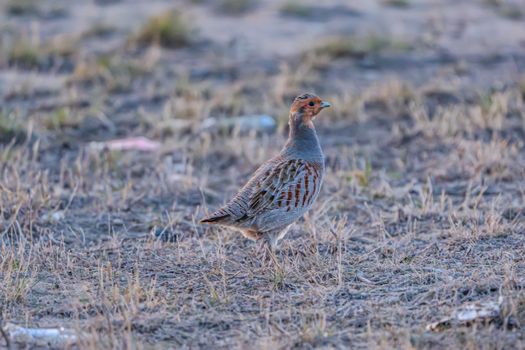
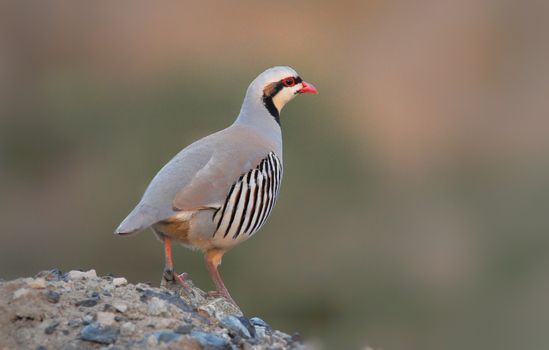
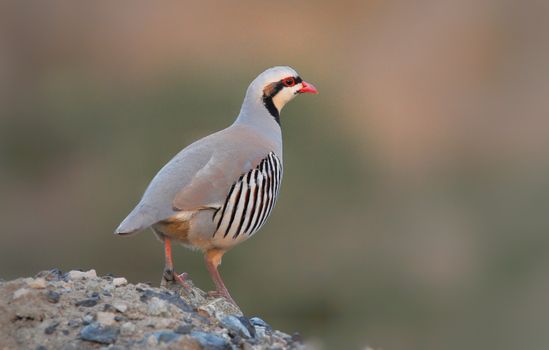
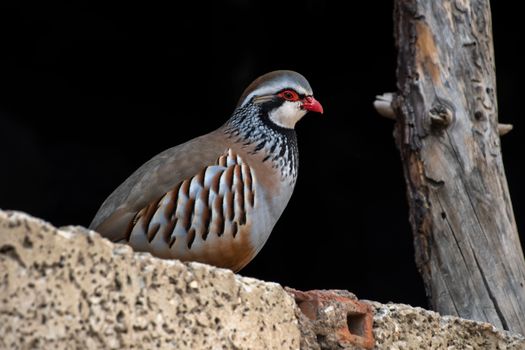
Chukar chickens, more accurately referred to as Chukar partridges (Alectoris chukar), are native to rocky, arid regions of Asia and southern Europe. Their natural habitat has shaped their behavior and physical needs in ways that differ from domestic chickens or other game birds.
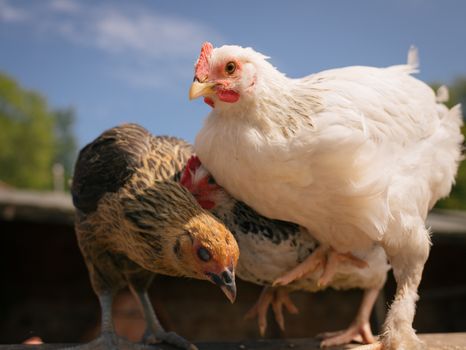
Chukars are known for their flightiness, strong legs for running, and preference for dry, well-ventilated environments. They are smaller than standard chickens, typically weighing 20-25 ounces at maturity. The right equipment must accommodate these traits to keep birds healthy and minimize stress.
.png)
For example, Chukars have a higher tendency to panic and fly up suddenly, which means standard chicken coops or brooders with low ceilings may not be suitable and could even result in injuries. Additionally, their preference for dry conditions makes moisture control equipment and proper flooring materials critical.
Understanding these distinctions is the first step in choosing equipment that works for you and your birds.
Brooders and Housing: Size, Safety, and Ventilation
The brooding and housing environment is arguably the most crucial element in raising Chukar chickens. Chukar chicks require stable temperatures, and as they grow, they need housing that prevents escape and injury while providing ample ventilation.
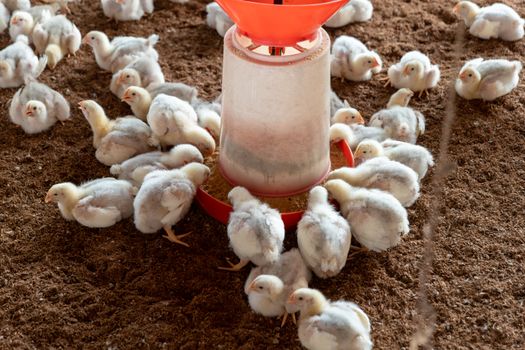
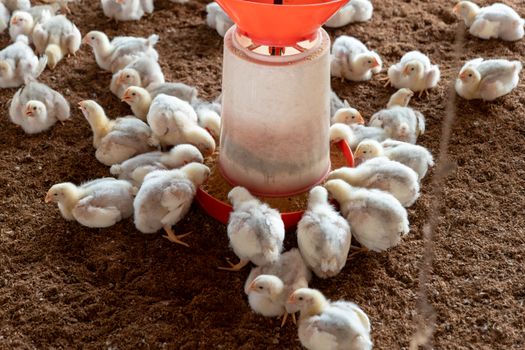
Chukar brooders should have higher walls or a mesh cover to prevent chicks from jumping out. For the first week, maintain a brooder temperature of 95°F, reducing by 5°F each week until they are fully feathered. Unlike chickens, Chukar chicks are highly active early on and require more floor space — aim for at least 0.5 square feet per chick.
When moving to adult housing, consider the following equipment features:
- Height: Chukar pens should be at least 5 feet tall to reduce the risk of injury from birds flying upwards. - Flooring: Solid floors with sand or fine gravel help mimic their natural terrain and reduce foot problems. - Materials: Use wire mesh with ½-inch spacing to prevent escapes while allowing airflow. - Roof: A solid or tightly netted roof prevents predator entry and Chukars from escaping. - Ventilation: Good airflow is essential to prevent respiratory issues; avoid drafts directly at bird level.Here’s a comparison of common housing equipment options:
| Housing Type | Best For | Pros | Cons |
|---|---|---|---|
| Traditional Chicken Coop | Small flocks, backyard use | Widely available, easy to clean | Often too low, not escape-proof |
| Game Bird Aviary | Medium to large flocks | Spacious, high ceiling, secure mesh | Higher initial cost, requires more space |
| DIY Wire Pen with Net Roof | All flock sizes | Customizable, good airflow, predator proof | Needs proper assembly, may lack weather protection |
A well-designed Chukar housing setup will minimize injuries, escapes, and disease, leading to a healthier and more productive flock.
Feeding and Watering Systems: Choosing for Efficiency and Cleanliness
Feeding and watering equipment plays a key role in Chukar health and growth. Chukars are notorious for scratching and wasting feed, as well as contaminating water sources if given open containers.
For feeding, gravity feeders or tube feeders with narrow access points are ideal. A feeder with an anti-scratch grill can reduce waste by up to 30%. Chukar chicks need a finer feed tray, while adults benefit from hanging or wall-mounted feeders that discourage perching and fouling.
Watering systems should prioritize hygiene and ease of access. Nipple drinkers are highly recommended for Chukars because they significantly reduce spillage and contamination. Studies show that nipple drinkers can decrease the risk of waterborne diseases by up to 40% compared to open dishes.
Key considerations for feeding and watering equipment:
- Material: Galvanized steel or heavy-duty plastic resists pecking and is easy to sanitize. - Capacity: Ensure feeders and waterers hold enough for at least 24 hours, reducing labor and stress. - Placement: Position feeders and waterers at back height for adults to minimize spillage.A real-world example: On a farm raising 200 Chukar partridges, switching from open troughs to nipple drinkers reduced cleaning time by 50% and cut water usage by 35%.
Nesting Boxes and Egg Handling: Maximizing Productivity
If you’re raising Chukars for egg production, investing in the right nesting equipment is essential. Chukars typically begin laying around 24 weeks of age and can produce up to 40-50 eggs per season.
Unlike chickens, Chukars prefer ground-level, secluded nests. Traditional chicken nesting boxes are often too large or high. Instead, opt for shallow trays or low-sided boxes filled with dry sand or wood shavings. Place these in the quietest, least trafficked corners of the pen.
For commercial or larger-scale operations, roll-away nest boxes can be a smart investment. These boxes allow eggs to gently roll into a separate compartment after being laid, reducing breakage and making collection easier.
When it comes to egg handling:
- Use egg trays designed for small game bird eggs to prevent cracking. - Store eggs at 55-60°F with 60-70% humidity if not incubating immediately. - Clean eggs with a dry brush; avoid washing unless absolutely necessary to prevent shell damage.With the right nesting and egg handling equipment, you can reduce egg loss by up to 20% and maintain higher hatchability rates.
Predator Protection and Environmental Controls
Predators are a constant threat to Chukar chickens, especially in outdoor or rural settings. Investing in quality protection equipment can save you from devastating losses.
Common Chukar predators include raccoons, foxes, snakes, hawks, and domestic cats. All housing structures should have:
- Buried wire mesh (at least 12 inches deep) to prevent digging predators. - Overhead netting or solid roofing to block aerial threats. - Automatic door closers or sturdy latches.Beyond predators, environmental controls such as heaters, fans, and misters can help maintain ideal conditions. Chukars are sensitive to high humidity; use dehumidifiers or ensure well-drained floors in wet climates. In hot regions, fans or misters can reduce heat stress and improve bird comfort.
For example, a study in Arizona found that using shade cloth and evaporative misters reduced Chukar mortality rates during summer by 15%.
Cleaning and Maintenance Tools: Keeping Equipment in Top Shape
Even the most advanced equipment will fail without regular maintenance. Chukar chickens generate a significant amount of dust and droppings, which can harbor disease and attract pests.
Must-have cleaning and maintenance tools include:
- Scrapers and stiff brushes for floor and perch cleaning - Disinfectant spray safe for poultry - Hose with adjustable nozzle for washing feeders and waterers - Portable UV sterilizer for egg traysA regular cleaning schedule is vital. For example, disinfecting feeders and waterers twice weekly can reduce the incidence of coccidiosis and other infections by up to 25%. Keeping pens dry and removing soiled bedding promptly also helps control odors and fly populations.
Smart Investments: What to Prioritize When Budget Is Limited
Not everyone can invest in top-of-the-line equipment from the start. If your budget is tight, prioritize items that have the greatest impact on bird health and productivity:
1. Secure, well-ventilated housing (with predator-proof mesh) 2. Efficient feeders and nipple drinkers 3. Cleaning tools and disinfectants 4. Basic nesting boxes for egg-laying birdsRemember, investing in quality upfront can save you money in the long run by reducing losses and labor.
Final Thoughts on Choosing Equipment for Chukar Chickens
Selecting the right equipment for raising Chukar chickens is a blend of understanding their unique needs and matching those with the best tools your budget allows. From high-walled brooders and secure aviaries to specialized feeders and predator protection, each choice you make directly impacts the wellbeing and productivity of your flock.
Successful Chukar chicken raising isn’t just about following general poultry advice; it’s about tailoring your setup for a bird that’s both hardy and high-strung. By investing in the right equipment and maintaining it diligently, you set the stage for healthy birds, higher egg yields, and a more enjoyable experience as a Chukar keeper.