Choosing the Best Chukar Chicken Breed for Beginners: What You Need to Know
If you’re considering raising Chukar chickens (also known as Chukar partridges) for the first time, you’re not alone. These hardy birds are increasingly popular among backyard poultry enthusiasts, hobby farmers, and small-scale breeders. But one question looms large for newcomers: how do you choose the best Chukar chicken breed for beginners? With a range of Chukar types, strains, and hybrids available, making an informed choice is critical for success. In this guide, you’ll discover essential factors, differences between available strains, and practical tips to help you select the ideal Chukar breed for your needs.
Understanding the Basics: What Makes Chukar Chickens Unique?
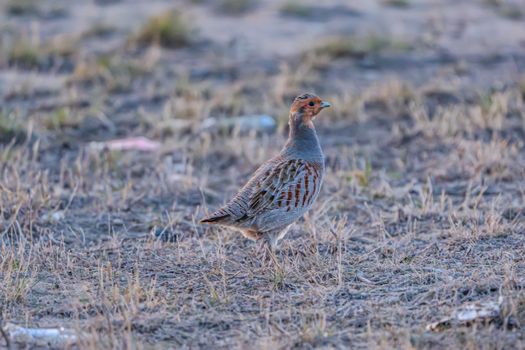
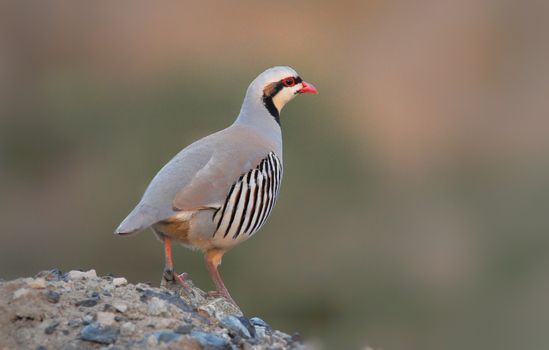
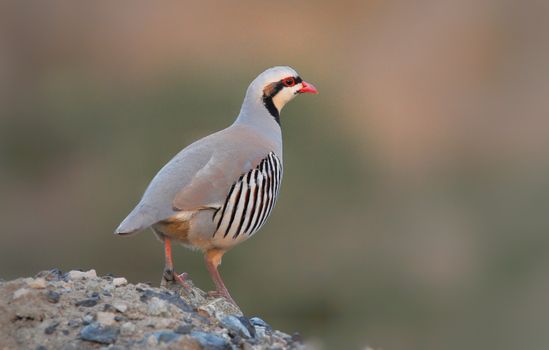
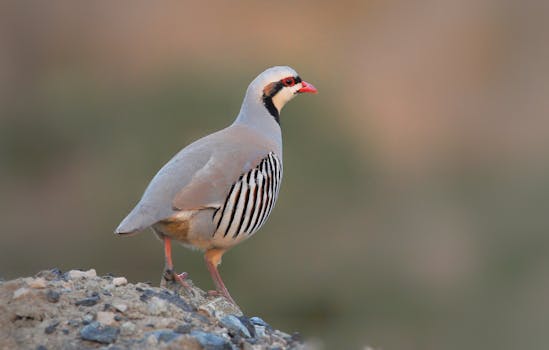
Chukar chickens are not true chickens, but rather a species of partridge native to Eurasia. They are renowned for their striking plumage, adaptability, and robust nature. Here are some key facts:
- The Chukar partridge (Alectoris chukar) was introduced to North America in the late 1800s. - Adult Chukars weigh between 18-22 ounces and stand about 14-15 inches tall. - Chukars are hardy in diverse climates, from arid deserts to cold mountain regions. - They are primarily raised for game bird hunting, meat, ornamental purposes, and occasionally for eggs.For beginners, the Chukar’s hardiness, rapid growth, and relatively simple care requirements make them an appealing choice. However, selecting the right breed or strain can impact your experience and success as a new keeper.
.png)
Types of Chukar Chickens: Wild, Domestic, and Hybrid Strains
Before you decide, it’s crucial to understand the different Chukar breeds and strains available. While the term “breed” is more applicable to domestic chickens, Chukar partridges are generally categorized by strain or origin.
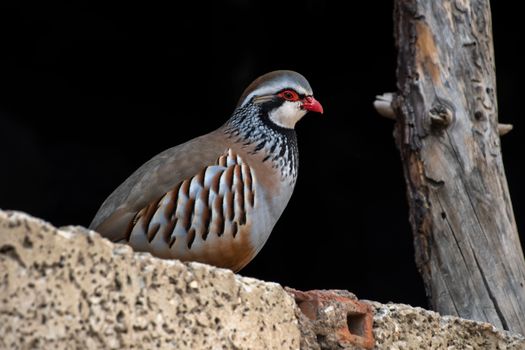
- Wild Type Chukar: These birds closely resemble their wild ancestors. They are robust, wary, and often more challenging to handle. Their survival instincts are strong, making them better suited for release and hunting purposes. - Domestic Chukar: Selectively bred for captivity, these strains are more docile, better suited for handling, and generally easier for beginners to manage. - Hybrid Chukars: Occasionally, Chukars are crossbred with closely related partridge species, such as the Red-legged Partridge. Hybrids can exhibit unique traits but are less common and sometimes less predictable.The choice between wild type and domestic strains is especially important for beginners. Domestic Chukar strains are usually the best starting point, offering a balance of tameness, productivity, and ease of care.
Key Factors to Consider When Choosing a Chukar Chicken Breed
Making the right choice involves more than just picking the first Chukar chicks you find online. Consider these critical factors:
1. Purpose: Are you raising Chukars for meat, egg production, hunting, or as ornamental birds? Domestic strains often lay more eggs and are easier to fatten for meat, while wild types are superior for game bird release. 2. Temperament: Beginners benefit from strains with calmer dispositions. Domestic Chukars are less flighty and easier to manage, reducing stress for both birds and keepers. 3. Growth Rate and Size: Some strains reach market weight faster or grow larger, translating into more efficient meat production. On average, Chukars reach maturity at 16-18 weeks and can be processed for meat at 20 ounces. 4. Egg Production: While not prolific layers compared to chickens, Chukar hens can produce 40-50 eggs per season. Certain domestic strains have been selectively bred for higher egg output. 5. Disease Resistance: Hardy strains with proven disease resistance are invaluable for beginners, reducing the likelihood of costly vet bills or losses. 6. Local Availability: Some strains are widely available in North America, while others are rare. Sourcing from reputable local breeders ensures healthy stock and easier acclimation.Comparing Popular Chukar Strains: A Data Overview
To help you make an informed choice, here’s a side-by-side comparison of three popular Chukar strains available to beginner keepers.
| Strain/Type | Temperament | Egg Production (per season) | Growth Rate (weeks to maturity) | Average Adult Weight (oz) | Best Use |
|---|---|---|---|---|---|
| Wild Type Chukar | Flighty, wary | 30-40 | 18-20 | 18-20 | Game release, hunting |
| Domestic Chukar | Docile, manageable | 40-50 | 16-18 | 20-22 | Meat, eggs, pets |
| Hybrid Chukar (Red-legged cross) | Variable | 35-45 | 17-19 | 19-21 | Specialty markets, ornamental |
As the table suggests, domestic Chukar strains are generally the best fit for beginners, balancing temperament, productivity, and manageability.
Where to Source Your Chukar Chickens: Hatcheries vs Local Breeders
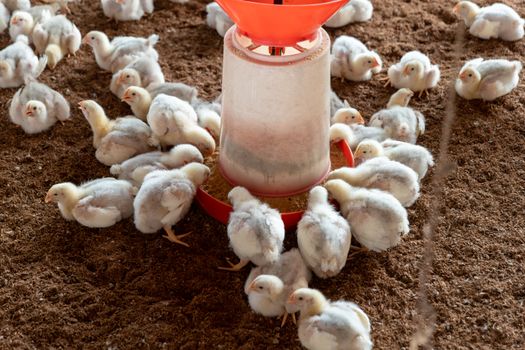
After deciding which strain suits your goals, the next step is sourcing healthy Chukar chicks. You have two primary options: commercial hatcheries and local breeders.
- Hatcheries: Large-scale hatcheries offer Chukar chicks in quantity and often ship nationwide. This is convenient but can sometimes mean less attention to individual bird health or adaptation to your local climate. - Local Breeders: Sourcing from a local breeder ensures your chicks are already acclimated to your area. Breeders may also offer valuable advice and ongoing support, which is invaluable for beginners.According to the North American Gamebird Association, over 1.5 million Chukars are raised annually in the United States, with the highest concentrations in states like Idaho and Nevada. Always prioritize breeders or hatcheries with strong reputations for quality, healthy stock, and ethical practices.
Practical Tips for Selecting Healthy Chukar Chicks
Not all Chukar chicks are created equal. When choosing your starter flock, keep these practical guidelines in mind:
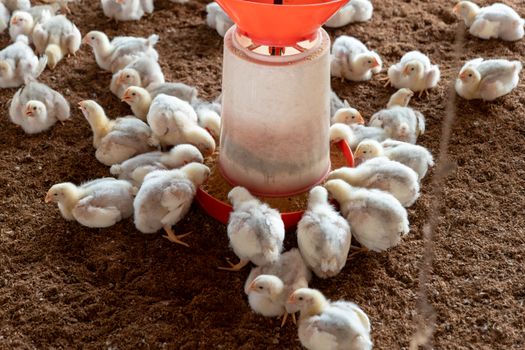
1. Inspect for Health: Look for chicks with clear eyes, alert posture, and smooth, well-aligned feathers. Avoid birds with signs of lethargy, crooked toes, or respiratory distress. 2. Ask About Parent Stock: High-quality breeders will provide information about the parent birds, including age, health history, and productivity. 3. Vaccination and Biosecurity: Confirm if chicks have been vaccinated (if recommended) and raised in a disease-controlled environment. 4. Age of Chicks: For beginners, starting with day-old chicks is common, but slightly older “started” birds (2-3 weeks old) may be hardier and easier to rear. 5. Support and Resources: Choose suppliers who offer after-sale support, care guides, or the ability to answer questions as you get started.A healthy start is one of the biggest predictors of long-term success, particularly for those new to Chukar keeping.
Common Pitfalls to Avoid When Choosing Chukar Breeds as a Beginner
Many first-time keepers make avoidable mistakes that can lead to frustration, losses, or disappointment. Here are some common pitfalls and how to sidestep them:
- Choosing a strain unsuited to your climate or intended purpose (e.g., selecting wild types for egg production). - Over-ordering: Starting with 10-20 Chukars is usually sufficient for hobbyists or small farms. - Neglecting biosecurity: Introducing unquarantined birds from multiple sources can spread disease rapidly. - Ignoring local regulations: Some regions have restrictions on game bird ownership or release, so always check with local authorities.With thoughtful planning and a little research, beginners can avoid these common issues and set themselves up for a rewarding Chukar-keeping journey.
Why the Right Chukar Chicken Breed Matters for Beginners
Choosing the best Chukar chicken breed sets the tone for your entire poultry-keeping experience. The right strain will be easier to manage, more productive, and more resilient, reducing stress and increasing your odds of long-term success. As a beginner, favor domestic Chukar strains from reputable sources, and don’t hesitate to seek advice from experienced breeders or local poultry clubs.
Raising Chukar chickens is a fascinating and rewarding endeavor, offering not just delicious eggs and meat but also a window into the captivating world of game birds. With careful breed selection and good husbandry, even first-timers can enjoy healthy, thriving Chukar flocks.