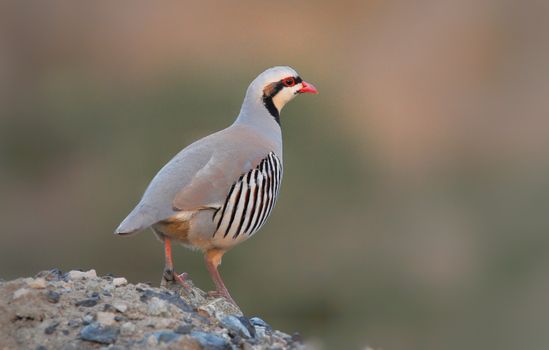
Raising Chukar Partridges from Eggs to Adults: The Complete Incubation and Rearing Guide
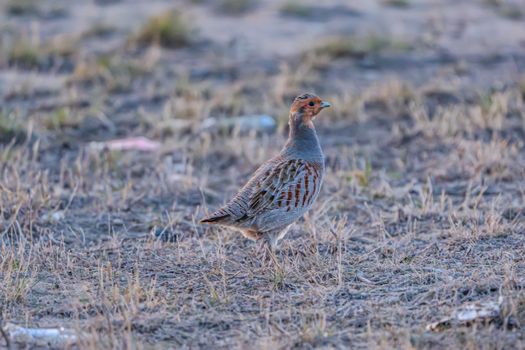
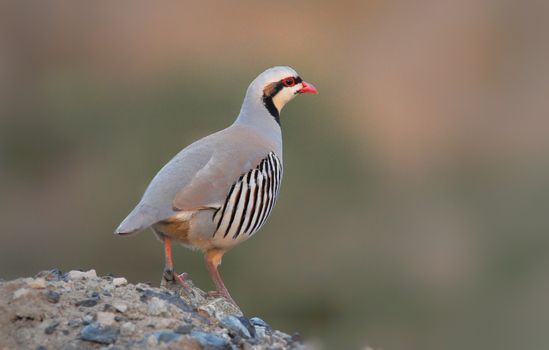
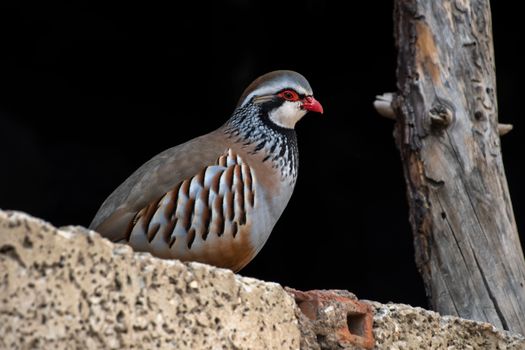
Chukar partridges (Alectoris chukar) are prized both for their striking appearance and their adaptability to different environments. Whether you're a hobbyist, a conservationist, or an aspiring game bird farmer, successfully raising chukars from eggs to adulthood offers a rewarding experience. However, this process requires attention to key details at every stage, beginning with proper incubation and extending through to juvenile and adult care.
In this comprehensive guide, we’ll walk you through every critical step: from selecting viable eggs and setting up an effective incubator, to brooding, feeding, and ensuring the healthy development of your chukars. Along the way, you’ll find practical tips, important facts, and a comparison table to help you make informed decisions at each stage.
Selecting and Storing Chukar Partridge Eggs
The journey to healthy adult chukars starts with quality eggs. Chukar eggs are small, olive-buff in color, and typically weigh between 14 to 18 grams. Choosing the right eggs is crucial:
.png) - $1: Obtain eggs from reputable breeders or established flocks. Fertility rates are highest in adult birds aged 1-3 years.
- $1: Select eggs that are clean, uniformly shaped, and free of cracks or deformities. Avoid overly large or small eggs, as these may have lower hatch rates.
- $1: On average, chukar partridge eggs have a fertility rate of 75-85% when sourced from healthy breeding stock.
- $1: Obtain eggs from reputable breeders or established flocks. Fertility rates are highest in adult birds aged 1-3 years.
- $1: Select eggs that are clean, uniformly shaped, and free of cracks or deformities. Avoid overly large or small eggs, as these may have lower hatch rates.
- $1: On average, chukar partridge eggs have a fertility rate of 75-85% when sourced from healthy breeding stock.
Proper storage preserves egg viability until incubation:
- $1: Store eggs at 55-65°F (13-18°C). - $1: Aim for 75% relative humidity to prevent moisture loss. - $1: Store eggs pointed end down and turn them at least twice daily to prevent the yolk from sticking to the shell.Eggs should be incubated within 7 days of laying for optimal hatchability, though storage up to 14 days is possible with careful management.
Incubating Chukar Partridge Eggs: Settings and Best Practices
Incubation is a delicate process, and chukar eggs require precise environmental control. Here’s what you need to know:
- $1: Forced-air incubators offer the most consistent results, but still-air incubators can also be used with careful monitoring. - $1: Maintain 99.5°F (37.5°C) in forced-air incubators; for still-air models, set to 101.5°F (38.6°C). - $1: Aim for 45-50% relative humidity during the first 20 days, increasing to 65-70% for the final 3 days before hatching. - $1: Eggs must be turned at least 3-5 times daily (or use an automatic turner) until day 21 to prevent embryonic sticking.Chukar eggs typically hatch after 23-24 days. Candling at day 10 and day 18 helps monitor embryo development and remove infertile or non-viable eggs.
Below is a comparison table of incubation parameters for chukar partridges versus other common game birds:
| Species | Incubation Period (days) | Temperature (°F) | Humidity (%) | Egg Turning Frequency |
|---|---|---|---|---|
| Chukar Partridge | 23-24 | 99.5 (forced-air) | 45-50 (1-20 days), 65-70 (last 3 days) | 3-5 times/day |
| Japanese Quail | 17-18 | 99.5 | 45-50, then 65-70 | 3-5 times/day |
| Pheasant | 23-25 | 99.5 | 50-55, then 65-70 | 3-5 times/day |
| Chicken | 21 | 99.5 | 50-55, then 65-70 | 3-5 times/day |
Key Fact: A 2022 survey of small-scale game bird breeders found that using automatic egg turners increased chukar hatch rates by 8% compared to manual turning alone.
Hatching and Immediate Post-Hatch Care
As chicks begin to pip and hatch, maintaining ideal conditions is vital. Humidity during the hatch phase prevents chicks from becoming stuck in their shells, a common cause of mortality.
- $1: Opening the incubator can cause humidity to drop, leading to “shrink-wrapping” of chicks inside shells. - $1: Leave them for 6-8 hours after hatching to dry and fluff up.Once chicks are dry and active:
- $1: This should be pre-warmed to 95°F (35°C) under the heat source. - $1: Offer electrolyte solutions for any that appear lethargic.Statistically, hatch rates for chukar partridges average 68-75% under optimal conditions. Immediate post-hatch losses often result from chilling, dehydration, or poor brooder management.
Brooding Chukar Chicks: Creating the Ideal Environment
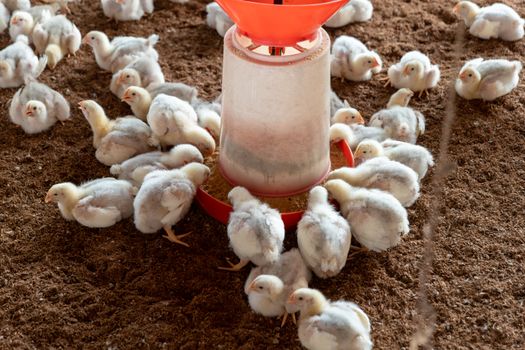
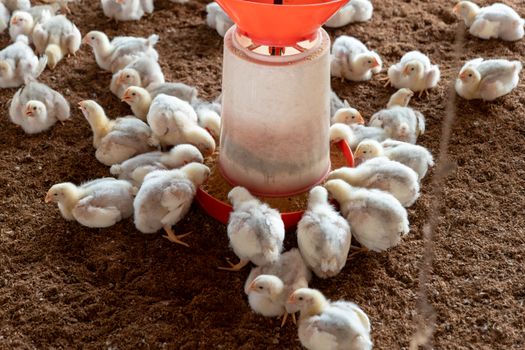
The brooding period, covering the first 4-6 weeks, is critical for survival and healthy development.
- $1: Use a circular brooder guard to prevent crowding and suffocation in corners. - $1: Start at 95°F (35°C), reducing by 5°F each week until ambient temperature is reached (around 70°F/21°C). - $1: Use paper towels or wire mesh. Avoid smooth surfaces that cause leg injuries (“splay leg”). - $1: Provide at least 0.5 square feet per chick initially, increasing as they grow.Chukar chicks are highly active and prone to flightiness, so secure the brooder with a low mesh cover to prevent escapes.
- $1: Provide 20-22 hours of light for the first week to encourage feeding and drinking, then reduce to 16 hours. - $1: Start with a high-protein (28-30%) game bird starter crumble. Ensure constant access to clean, shallow waterers to prevent drowning.Fact: Chukar chicks can triple their hatch weight in the first 7-10 days if provided with proper temperature, space, and nutrition.
Managing Growth and Transitioning to Juvenile Care
As chicks feather out and grow, their needs evolve. At 4-6 weeks, they are ready to transition from the brooder to an outdoor or grow-out pen.
- $1: Wait until chicks are fully feathered and nighttime temperatures are above 60°F (16°C). - $1: Outdoor pens should offer at least 1 square foot per bird, with shelter and predator protection. - $1: Gradually switch from starter to a 20-24% protein grower feed by week 6. - $1: Introduce fine grit to aid digestion if feeding whole grains or greens.Monitor for coccidiosis, a common intestinal disease. Keep bedding dry and change regularly to minimize risk.
Growth Milestone: By 8 weeks, a healthy chukar weighs 180-210 grams (6.3-7.4 oz), reaching adult size by 16 weeks.
Ensuring Healthy Adult Chukar Partridges
Successfully raising chukars to adulthood depends on ongoing management:
- $1: Adult chukars thrive on a 16-18% protein game bird maintenance ration. Supplement with greens and insects if desired. - $1: Provide constant access to clean, unfrozen water. - $1: Allow at least 2 square feet per adult in pens, with dust bathing areas to promote feather health. - $1: Observe for signs of respiratory illness or parasites. Annual mortality rates in well-managed flocks are as low as 5-10%.Social Structure: Chukars are generally peaceful but can become territorial during the breeding season. Avoid overcrowding, especially in mixed-age groups.
Fact: Adult chukar partridges can live 5-7 years in captivity, with peak egg production in their first two years.
Final Tips for Success with Chukar Partridges
Incubating and raising chukar partridges from eggs to adults is a meticulous but highly rewarding process. By focusing on egg quality, precise incubation, vigilant brooding, and attentive care through each developmental stage, you can achieve high survival and strong, healthy birds.
Invest in reliable equipment, monitor your flock’s health daily, and continually refine your approach based on observations and results. With patience and attention to detail, your efforts will be rewarded with a robust flock of chukar partridges.