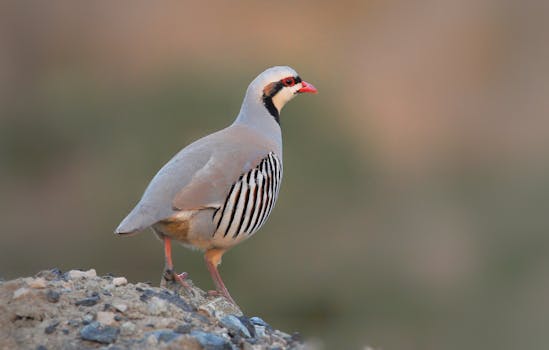
Chukar partridges, with their striking plumage and distinctive call, have long fascinated bird enthusiasts, hunters, and conservationists alike. Native to the rocky hillsides of Eurasia and now well-established in North America, these game birds play a unique role in both natural ecosystems and human-managed landscapes. To truly appreciate the chukar partridge, it helps to understand the intricate stages of its life cycle—from egg to mature adult. This article offers an in-depth exploration of the chukar’s development, seasonal behaviors, survival strategies, and the environmental factors that shape its journey.
Chukar Partridge at a Glance
The chukar partridge (Alectoris chukar) is a medium-sized game bird, easily recognized by its bold, black band running from its forehead through the eyes and down the neck, contrasting with its pale grey body and rufous flanks. Originally native to southern Europe and Asia, the chukar has been widely introduced to North America, particularly in the western United States. Today, it thrives in arid, rocky habitats, often at elevations between 2,000 and 13,000 feet.
A typical adult chukar weighs between 19 and 27 ounces (540-765 grams) and measures about 13 to 15 inches (33-38 cm) in length. The species' adaptability and resilience have made it a favorite among upland game bird hunters and breeders, further emphasizing the importance of understanding its unique life cycle.
.png)
Egg Laying and Incubation: The Beginning of Life
The chukar breeding season kicks off in the spring, typically from April through early June, depending on latitude and climate. Courtship involves elaborate displays, with males strutting and calling to attract females. Once paired, chukar hens seek out well-hidden nests on the ground, often tucked among rocks or vegetation to shield from predators.
A single clutch usually contains between 10 and 20 eggs, with an average of 14—a notably high number compared to many upland bird species. The hen alone incubates the eggs for about 23 to 25 days. During this period, she leaves the nest only briefly to feed, relying heavily on camouflage and stillness for protection. Studies show that, under ideal conditions, the hatching success rate can reach up to 80%, though predation, weather, and human disturbance often lower this figure.
Chick Development: From Hatchling to Juvenile
Chukar chicks are precocial, meaning they hatch with their eyes open and are covered in downy feathers. Within hours, they are mobile and begin foraging for food under the guidance of both parents. This early independence is crucial for survival in their rugged environments.
The diet of chukar chicks is rich in protein, consisting mainly of insects and other small invertebrates, which fuel rapid growth. By the end of their first week, chicks can regulate their body temperature and begin to expand their diet to include seeds and green plant matter. In optimal conditions, chukars reach about 75% of their adult weight by six weeks of age.
Survival rates vary drastically—only about 30% of chicks typically make it to adulthood. Predation by snakes, raptors, and mammals, along with exposure to the elements, are the main challenges. Still, the species' high reproductive output helps maintain stable populations.
Juvenile to Adult: Achieving Independence
As summer progresses, chukar chicks undergo a rapid transformation. By four to five weeks, they start to replace their down with juvenile plumage. At about six to eight weeks, they are capable of short, fluttering flights—crucial for escaping predators and navigating their rocky habitats.
By late summer or early autumn, the young chukars become increasingly independent. Family groups, known as coveys, may merge to form larger flocks, sometimes exceeding 50 birds. These flocks provide safety in numbers and facilitate social learning, as juveniles observe adult foraging and predator-avoidance behaviors. By their first autumn, most surviving juveniles are fully grown and indistinguishable from adults in appearance and behavior.
Chukars typically reach sexual maturity by their first spring, at around 10 to 12 months old. Their life expectancy in the wild is relatively short, averaging 2 to 3 years, though some individuals have been known to live up to 5 years in captivity.
Adult Life: Seasonal Behavior and Adaptations
Mature chukar partridges are highly adapted to arid and semi-arid environments. They favor steep, rocky slopes with sparse vegetation—habitats that offer both abundant food and protection from predators. Their diet shifts seasonally: in spring and summer, it includes more insects and tender greens, while in autumn and winter, seeds, grains, and dried plant material become staples.
Chukars are non-migratory, but they do exhibit local movements in response to food availability and weather. During harsh winters, they may descend to lower elevations to find exposed seeds and shelter. Socially, chukars are gregarious outside the breeding season, with coveys providing warmth and security.
The reproductive strategy of high clutch sizes offsets the challenges posed by predators and environmental fluctuations. According to data from the Nevada Department of Wildlife, annual adult survival rates are around 45%, highlighting the importance of strong reproduction to maintain populations.
Predators, Threats, and Survival Strategies
Chukar partridges face a range of threats throughout their life cycle. Eggs and chicks are vulnerable to snakes, foxes, skunks, and birds of prey. Adults, while more capable of escape, are still at risk from raptors and mammalian predators. Harsh weather, especially late-spring snow or early-autumn storms, can decimate chicks and even adults.
To counter these challenges, chukars rely on several survival strategies: - Cryptic coloration and stillness to avoid detection. - Covey formation for group vigilance. - Rapid, explosive flight to escape ground and aerial predators. - High reproductive rates to compensate for heavy losses.Human activities, such as habitat alteration, pesticide use, and hunting, also impact chukar populations. However, their adaptability and reproductive resilience have enabled them to thrive in many regions where suitable habitat remains.
Chukar Partridge Life Cycle Data Overview
To better understand the key stages and benchmarks in a chukar's life, the following table summarizes important data points:
| Life Stage | Age/Duration | Key Characteristics | Survival Rate |
|---|---|---|---|
| Egg | 23-25 days | Incubated by female; clutch size 10-20 eggs | Up to 80% hatch rate (ideal conditions) |
| Chick | 0-6 weeks | Precocial, rapid growth, insect diet | ~30% survive to adulthood |
| Juvenile | 6 weeks - 6 months | Fledged, begin flying, social learning | Further losses to predation/weather |
| Adult | 6 months - 3 years (avg) | Sexual maturity, breeding, covey formation | 45% annual survival rate (adults) |
Environmental Influences on the Chukar Life Cycle
The success of each stage in the chukar’s life cycle is closely tied to environmental conditions. For instance, spring rainfall directly affects the abundance of green vegetation and insects, both vital food sources for breeding hens and growing chicks. Drought years often result in smaller clutch sizes and reduced chick survival.
Temperature extremes can also impact nesting success. Late frosts or unexpected snowfalls may destroy nests or cause chicks to perish from exposure. Conversely, mild weather can lead to higher reproductive success and increased population growth.
Human land use practices, such as overgrazing or conversion of native rangeland to agriculture, can degrade chukar habitat, reducing available nesting cover and food sources. Conservation efforts focused on maintaining natural shrub-steppe and rocky hillside environments are crucial for sustaining healthy chukar populations.
Conclusion: The Resilient Journey of the Chukar Partridge
The life cycle of the chukar partridge is a testament to nature’s adaptability and resilience. From the vulnerability of eggs hidden among rocks to the independence of covey-living adults, each stage presents unique challenges and triumphs. Despite facing significant threats from predators, weather, and habitat changes, the chukar’s high reproductive rate and behavioral adaptations ensure its continued success across diverse environments.
Understanding these life stages is not only fascinating but also essential for anyone involved in conservation, game bird management, or simply appreciating the wildlife that enriches our landscapes. By supporting healthy habitats and responsible stewardship, we can ensure that the chukar partridge continues to thrive for generations to come.