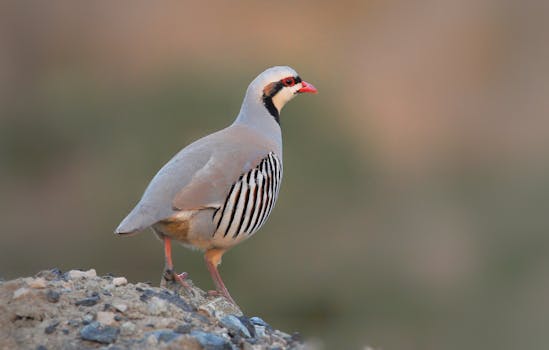
Running a successful chukar farm involves a blend of knowledge, patience, and specific strategies to ensure the health and productivity of these game birds. Chukars, part of the pheasant family, are popular among game bird enthusiasts for hunting and for their distinctive appearance and behavior. If you're considering starting a chukar farm or want to optimize your existing operation, here are essential tips and insights to help you succeed.
Understanding Chukar Partridges
Before diving into the specifics of farm management, it's crucial to understand the nature of chukar partridges. Chukars are native to Eurasia and are well-adapted to arid, rocky environments. They are hardy birds but require careful management to thrive in captivity.
.png)
Habitat Requirements
The first step in establishing a successful chukar farm is creating an environment that mimics their natural habitat. Chukars thrive in open, rocky areas with sparse vegetation. When designing their enclosures, include plenty of space for the birds to roam, as they are quite active and need exercise to stay healthy. The use of gravel and sand in some areas of the enclosure can help simulate their natural terrain.
Shelter and Security
Protection from the elements and predators is vital for chukar well-being. Provide adequate shelter that shields the birds from harsh weather conditions, such as extreme heat or cold. Security measures, such as fencing and covered enclosures, are essential to protect the chukars from predators like foxes and hawks.
Diet and Nutrition
Chukars require a balanced diet rich in nutrients. A mix of grains, seeds, and insects tends to work well. Supplementing their diet with greens and protein sources like mealworms can help mimic their natural feeding patterns and contribute to their overall health. Regular access to clean water is also crucial.
Breeding Practices
Successful breeding is a cornerstone of chukar farming. Chukars typically breed in the spring, and understanding their mating behaviors can help increase the success rate of breeding. Providing nesting boxes and maintaining a ratio of males to females that prevents overcompetition can lead to more effective breeding.
Health Management
Regular health checks are essential to prevent and treat diseases, which can spread quickly in a farm setting. Common health issues in chukars include parasites, respiratory diseases, and nutritional deficiencies. Implementing a routine health management plan that includes vaccinations, parasite control, and regular veterinary check-ups can help maintain a healthy flock.
Regulatory Compliance
Be aware of local and national regulations regarding the breeding and raising of game birds. Compliance with these laws is crucial for operating a legitimate and ethical chukar farm. This may include permits for breeding, selling, and transporting chukars.
Marketing Your Farm
To run a successful chukar farm, you also need to consider how you will market your birds. Whether you are selling to hunters, other farms, or those interested in raising game birds, having a solid marketing strategy is key. Utilize online platforms, attend relevant events, and network with others in the industry to increase your visibility and sales.
Community Engagement
Engaging with the community and other farmers can provide valuable insights and help in troubleshooting common issues. Joining associations or online groups focused on game bird farming can be beneficial.
Continual Learning
Finally, the field of chukar farming is always evolving, and staying informed about the latest practices, health management strategies, and breeding techniques is essential. Continual learning through courses, seminars, and literature can help you adapt and grow your farm successfully.
In conclusion, running a successful chukar farm involves a deep understanding of the birds' needs, creating a suitable habitat, managing their health and diet, navigating legal requirements, and effectively marketing your farm. With dedication and informed practices, you can enjoy the rewards of managing these fascinating birds.