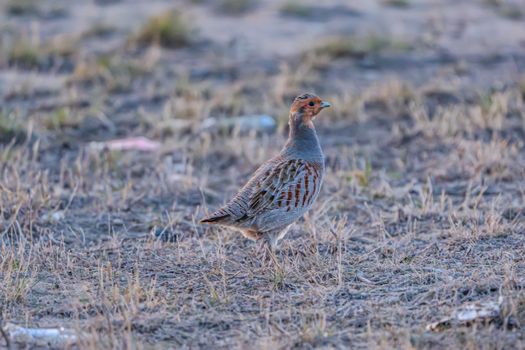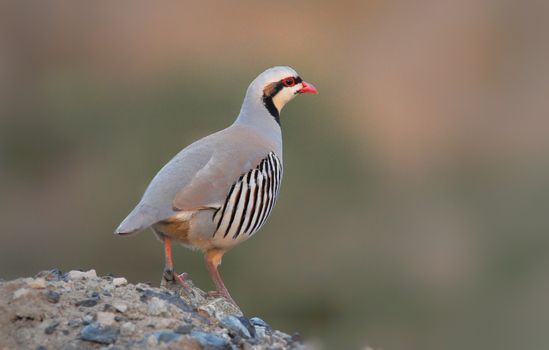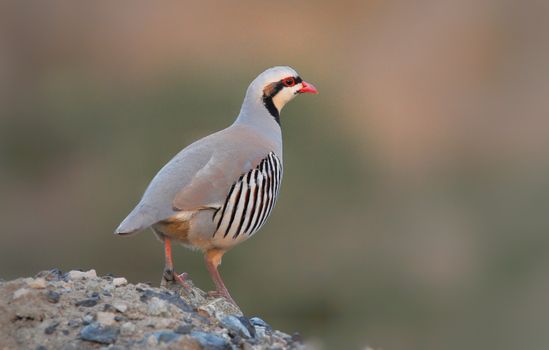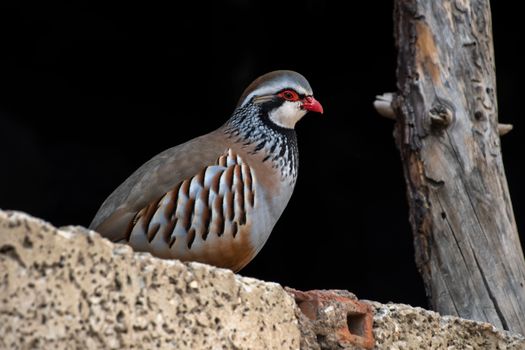
Raising chukar partridges at home is an increasingly popular hobby for bird enthusiasts, small-scale farmers, and those seeking to diversify their backyard livestock. Known for their striking plumage, hardy disposition, and delectable meat, chukars (Alectoris chukar) offer both beauty and utility. While articles often focus on large-scale farming or the technical aspects of incubation and commercial care, this guide delves into the practical, everyday realities of successfully raising chukar partridges in a home setting. Whether you have a modest backyard or a small acreage, you'll discover actionable tips, creative tricks, and honest comparisons to help you create a thriving chukar environment.
The Unique Appeal of Chukar Partridges in Home Settings
Chukar partridges are native to arid and rocky regions of Eurasia but have adapted well to various climates across North America, Europe, and beyond. Their adaptability, manageable size (adults weigh about 500–800 grams), and relatively low maintenance needs make them ideal for home settings. Unlike larger game birds, chukars require less space and equipment, making them accessible for beginners and hobbyists.
One of the most alluring aspects of chukars is their dual-purpose nature. They provide both eggs (with hens laying up to 40–50 eggs per season) and succulent, lean meat. Their distinctive “chuk-chuk” call adds charm, while their active, inquisitive personalities make them enjoyable to observe. According to the USDA, over 2 million chukar partridges are raised annually in the United States alone, indicating their rising popularity beyond commercial game bird farms.
.png)
Optimal Housing and Space Requirements for Chukars
Creating a safe, comfortable home for chukar partridges is the cornerstone of successful backyard raising. Chukars are known for their flightiness and curiosity, so secure, well-planned housing is essential.
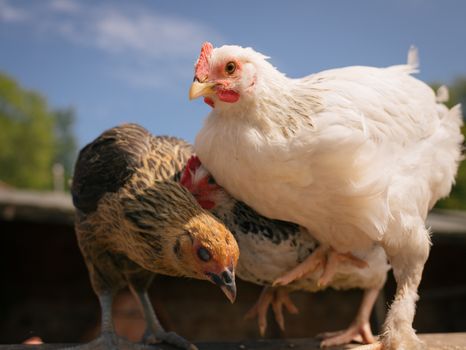
Space: Unlike chickens, chukars are agile and can fly short distances. It is recommended to allow at least 2 square feet per adult bird in an outdoor aviary and at least 1 square foot per bird in an indoor enclosure. For example, a flock of 10 birds will need a minimum of 20 square feet of outdoor space.
Structure: Use sturdy hardware cloth (no larger than ½ inch mesh) for fencing. Chukars can squeeze through larger gaps and are susceptible to predation. Overhead netting is crucial, as chukars are excellent jumpers and flyers, especially when startled.
Shelter: Chukars thrive in environments that mimic their natural habitat. Provide a dry, draft-free shelter with plenty of perches and hiding places. Wooden boxes, rocks, and branches encourage natural behaviors and reduce stress.
Flooring: Bare earth or sand is ideal, as chukars love to dust-bathe. Avoid concrete, which can cause foot problems. Maintaining at least 2 inches of clean, dry bedding (like straw or pine shavings) helps with hygiene and comfort.
Feeding Chukar Partridges: Nutrition and Treats
Proper nutrition is key to robust growth and egg production. Chukars have dietary needs that differ slightly from chickens and quail, so sourcing the right feed is vital.
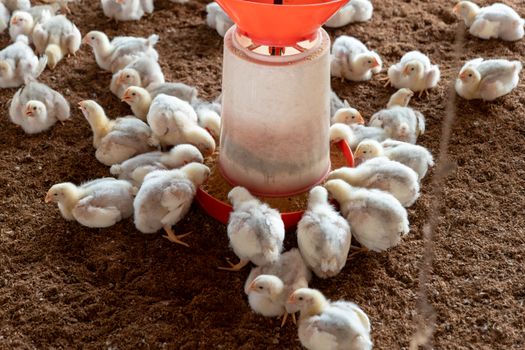
Starter Feed: For chicks (0–6 weeks), a high-protein game bird starter (26–28% protein) is recommended. This supports rapid early growth and helps prevent leg disorders.
Grower and Adult Feed: Transition birds to a 20–22% protein grower feed after 6 weeks. Adult chukars do best on a game bird maintenance feed with 16–18% protein. Avoid layer feeds designed for chickens, as these can lead to kidney issues in chukars due to excess calcium.
Supplements: Grit is essential for digestion, especially if birds are eating whole grains. Offer granite grit in a separate dish. Fresh greens, millet sprays, and insects (like mealworms) make excellent treats and encourage natural foraging behaviors.
Water: Chukars require clean, fresh water at all times. Use gravity-fed waterers and check them daily for contamination. Chukars are sensitive to wet litter, so prevent spills to maintain dry bedding.
Social Structure, Enrichment, and Behavioral Management
Understanding chukar behavior is crucial for minimizing stress, preventing injuries, and fostering a harmonious flock.
Flock Dynamics: Chukars are semi-social but can be territorial, especially during breeding season. Plan for one male per 4–5 females to reduce aggression. Avoid overcrowding, as this leads to pecking and stress.
Enrichment: Chukars thrive with mental stimulation. Adding branches, dust baths, and small logs to aviaries encourages natural behaviors. Scatter feed occasionally to promote foraging.
Handling: Chukars are more skittish than chickens and dislike frequent handling. If you must catch them, do so calmly and in dim lighting to reduce panic. Use a soft net or towel to avoid injury.
Noise and Neighbors: Unlike roosters, chukars are quieter, but their calls can still be noticeable. Space aviaries away from bedrooms or sensitive neighbors if possible.
Common Health Issues and Preventive Care
Chukars are generally hardy, but a few key health practices will keep your flock thriving:
Biosecurity: Always wash hands before and after handling birds. Quarantine new birds for at least 2 weeks before introducing them to your main flock to prevent disease spread.
Parasite Control: Regularly check for mites, lice, and worms. Provide a dust bath with diatomaceous earth to help control external parasites.
Vaccinations: While vaccination is not always necessary in small home flocks, consult a local avian vet about risks in your area, especially for diseases like Newcastle disease.
Signs of Illness: Watch for lethargy, ruffled feathers, diarrhea, or labored breathing. Early intervention can prevent losses.
Record Keeping: Keep a simple log of feed consumption, egg production, and health events to spot trends and catch issues early.
Chukar Partridges vs. Other Game Birds: A Home Setting Comparison
Is raising chukars the right choice for your home? Compare chukars with other popular game birds to make an informed decision.
| Feature | Chukar Partridge | Quail (Coturnix) | Pheasant |
|---|---|---|---|
| Space Required | 2 sq. ft./bird | 1 sq. ft./bird | 6 sq. ft./bird |
| Egg Production | 40-50 eggs/season | 200+ eggs/year | 30-50 eggs/season |
| Adult Weight | 500–800 g | 120–150 g | 900–1300 g |
| Temperament | Flighty, semi-social | Docile, social | Flighty, territorial |
| Noise Level | Moderate | Low | Moderate-High |
| Meat Quality | Lean, flavorful | Delicate, mild | Rich, gamey |
As seen above, chukars offer a balance between space requirements, meat production, and manageability, making them an attractive option for many home bird keepers.
Creative Tips and Tricks for Home Chukar Success
Beyond the basics, experienced keepers have developed clever strategies to maximize chukar health and enjoyment in home environments:
1. Vertical Aviaries: Utilize vertical space by adding multiple perch levels and platforms. Chukars love to hop and climb, and this design reduces floor crowding. 2. Natural Camouflage: Plant shrubs and tall grasses inside outdoor enclosures. This not only provides shade and shelter but also reduces stress by allowing birds to hide and explore. 3. Portable Pens: For small flocks, consider lightweight, movable pens. Rotating pens frequently prevents overgrazing and keeps birds engaged with fresh ground. 4. Egg Collection: Use roll-away nest boxes to keep eggs clean and minimize breakage. Chukars often lay eggs in secluded spots, so check hiding areas daily. 5. Winter Care: In cold climates, insulate coops with straw bales or foam panels. Supplemental lighting (14–16 hours/day) can help maintain egg production during short winter days. 6. Predator Deterrence: Install motion-activated lights or alarms around enclosures. Even suburban settings can harbor hawks, raccoons, or stray cats attracted to chukars.Final Thoughts on Raising Chukar Partridges at Home
Raising chukar partridges in a home setting is both rewarding and accessible, even for beginners. These hardy, attractive game birds thrive with thoughtful housing, proper nutrition, and creative enrichment. Their manageable size, moderate egg production, and lean meat make them a versatile addition to backyard flocks. By understanding their unique needs and adopting some of the tips and tricks outlined above, you can create a healthy, stimulating environment where chukars will flourish. Whether you’re aiming for fresh eggs, delicious meat, or simply the joy of watching these lively birds, chukar partridges can be a perfect fit for your home bird-keeping adventure.