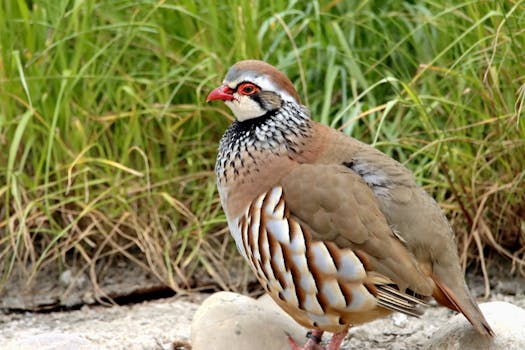
Raising Chukar Partridges for Sporting Purposes: What You Need to Know
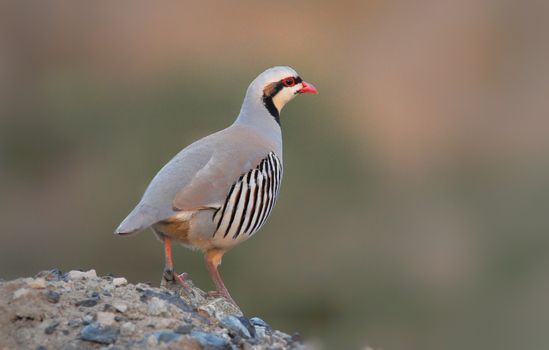
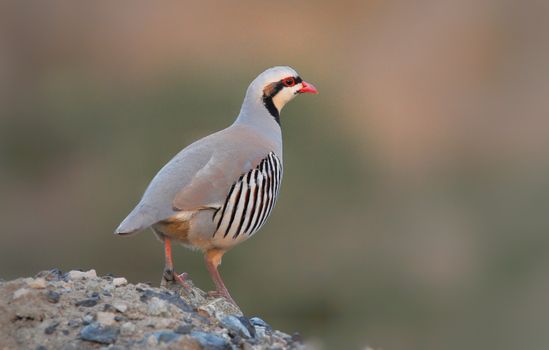
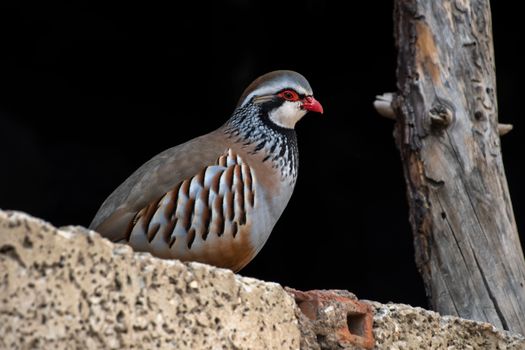
Chukar partridges (Alectoris chukar) have long captured the fascination of hunters and bird enthusiasts alike. Originally native to Eurasian rocky hillsides, these hardy game birds have become a staple for sporting preserves and field trial enthusiasts across North America. Whether you are a landowner interested in enhancing your property for upland game hunting, or an entrepreneur looking to supply birds for sporting events, raising chukar partridges for sporting purposes presents unique opportunities and challenges. This comprehensive guide explores the critical factors you need to consider—from bird selection and habitat management to release strategies and regulatory compliance—so you can succeed in this rewarding field.
The Unique Appeal of Chukar Partridges in Sport Hunting
Chukar partridges offer a distinct experience for sport hunters, setting them apart from other upland game birds such as pheasants and quail. Known for their explosive flight and challenging terrain preferences, chukars provide an exciting test of skill for both dog and hunter. In the United States, chukar hunting seasons attract thousands of participants annually, especially across western states like Idaho, Nevada, and Oregon.
One of the main reasons chukars are sought after for sporting purposes is their behavior. Unlike quail, which often covey and flush close, chukars tend to run uphill before taking flight, requiring hunters and dogs to adapt quickly. This behavior mimics wild conditions, making them a favorite for field trials and simulated hunts on managed preserves. In 2023, over 450 licensed hunting preserves in the US reported the release of more than 2 million chukar partridges for sporting events and training.
.png)
Choosing the Right Chukar Stock for Sporting Performance
Not all chukar partridges are equally suited for sporting purposes. The success of your operation depends heavily on selecting robust, flighty birds that display natural wild behaviors. Commercially, two main types of chukar stock are available: pen-raised and wild-trapped. However, wild-trapped chukars are increasingly rare and often unavailable due to legal and conservation restrictions.
When sourcing pen-raised chukars, it’s critical to work with reputable breeders who prioritize genetics that favor strong flight muscles and wary temperaments. Birds bred specifically for meat production may be heavier and less active, which can diminish the quality of the sporting experience. Look for these key traits in your stock:
- Lean body condition (ideal adult weight: 19-23 ounces) - Responsive to stimuli and quick to flush - Well-feathered and alert - Minimum age at release: 14-16 weeks for optimal flightHealth status is another non-negotiable criterion. Only source birds from breeders certified free of major avian diseases such as Newcastle disease and avian influenza. Healthy birds not only perform better but also reduce biosecurity risks for your property and local wildlife.
Habitat and Enclosure Design for Sporting Chukars
A critical component of raising chukar partridges for sporting releases is habitat management. Chukars thrive in environments that stimulate their natural instincts and prepare them for release. Proper habitat and enclosure design can significantly influence bird quality, survival rates, and post-release behavior.
For pen rearing, flight pens should provide:
- Minimum 10 square feet per bird - Overhead netting at least 8 feet high to prevent injury during flight - Natural ground cover (grasses, shrubs, rocks) to encourage foraging and hiding - Environmental enrichment (brush piles, logs) to reduce stress and feather pickingTransition pens, or “conditioning pens,” help birds acclimate to natural conditions before release. Here, chukars learn to forage, evade predators, and develop flight muscles. Studies show that birds acclimated in larger, more naturalistic pens demonstrate up to 40% higher post-release survival and better flight response compared to those raised in crowded, barren environments.
Once released, quality habitat management on your property is essential. Chukars prefer rocky slopes, open grasslands, and scattered brush with access to bare ground for dust bathing. Water sources should be available but not excessive, as chukars are adapted to arid environments and will not thrive in marshy or densely forested areas.
Release Strategies: Maximizing Sporting Value and Bird Survival
The method and timing of releasing chukar partridges have a direct impact on both the hunting experience and the welfare of the birds. There are three primary release strategies for sporting chukars:
| Release Method | Description | Survival Rate (Avg.) | Best For |
|---|---|---|---|
| Day-Of-Hunt Release | Birds are released shortly before the hunt, often in small coveys | 60%-70% | Preserves, commercial hunts |
| Early Release (Pre-Season) | Birds are released weeks before the season to allow acclimation | 35%-50% | Naturalized hunting, field trials |
| Surrogator Release | Young birds are raised in on-site pens and released gradually | 20%-35% | Wild population supplementation |
Day-of-hunt releases are the most common for commercial preserves, as they ensure birds are available for clients and reduce losses to predation. However, early releases produce the most natural hunting experience, as birds adapt to the landscape, develop stronger flight, and display more challenging behavior.
Best practices for release include:
- Releasing birds early in the morning or late afternoon to minimize stress and predation - Grouping in coveys of 8-12 to encourage natural social behavior - Providing temporary shelter (brush piles, portable covers) at release sites - Avoiding release during extreme weather conditionsJuvenile chukars require extra care and acclimation to ensure successful adaptation. Always monitor post-release survival and adjust strategies based on observed outcomes.
Regulatory Compliance and Ethical Considerations
Before you raise and release chukars for sporting purposes, it is essential to understand and comply with all relevant regulations. Laws governing game bird propagation, release, and hunting vary by state and can include licensing, health certifications, and reporting requirements. For example, in Pennsylvania, a Game Bird Propagation Permit is required, while in Idaho, a Commercial Wildlife Facility License covers game bird operations.
Common regulatory requirements include:
- Recordkeeping of bird numbers, purchases, and sales - Regular veterinary health checks - Restrictions on release locations (distance from public land, proximity to wild populations) - Seasonal limitations for releases and huntsEthical considerations are equally important. Sporting chukar management must prioritize bird welfare, habitat conservation, and fair chase principles. Overcrowding, poor husbandry, and indiscriminate releases can harm both the birds and the reputation of your operation. The North American Gamebird Association (NAGA) and similar organizations provide codes of conduct and best practice guidelines to help producers maintain high standards.
Evaluating Economics: Costs, Returns, and Market Demand
Raising chukar partridges for sporting purposes can be a profitable venture when managed efficiently. Market demand is strong, with over 3 million pen-raised chukars sold annually in North America for hunting, training, and field trials, according to USDA data.
Key costs to consider include:
- Chukar chicks/pullets: $2.25 - $3.00 per chick (2024 averages) - Feed: $0.18 - $0.25 per bird per week (high-protein gamebird starter, then grower) - Housing and fencing: Initial investment of $5,000-$15,000 for a medium-scale operation - Labor/veterinary care: Variable, but essential for biosecurity and bird healthReturns depend on your market. Commercial hunting preserves pay $7-$12 per adult, flight-conditioned bird. Field trial providers, dog trainers, and private hunting clubs are also major buyers. Diversifying your client base can help buffer against seasonal fluctuations.
A well-managed operation with a capacity of 2,000 birds per year can expect gross revenues of $14,000 to $24,000, with net profits largely dependent on feed and labor efficiency. Investing in quality stock and habitat pays dividends in both marketability and repeat business.
Final Thoughts: Succeeding with Sporting Chukar Partridges
Raising chukar partridges for sporting purposes is both an art and a science. Success hinges on understanding the unique behaviors and needs of these birds, providing appropriate habitat and conditioning, and adhering to ethical and regulatory standards. With proper planning and ongoing management, you can create a rewarding venture that supports hunting traditions, provides quality experiences for clients, and contributes to wildlife conservation goals.
Whether you are looking to enhance your own property, supply birds to local preserves, or participate in field trial circuits, the chukar partridge offers unmatched sporting value. By focusing on bird quality, habitat, and best practices, you can build a sustainable and respected chukar operation for years to come.