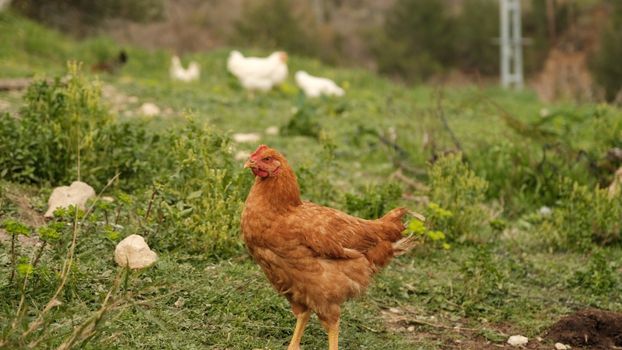
The world of backyard poultry is far more diverse than many people realize. While chickens and ducks dominate the conversation, there’s a growing interest in more unusual birds—like the chukar chicken. Chukar chickens, often called chukar partridges, are hardy game birds that have found their way into small farms and homesteads across North America and beyond. But how do they stack up against more traditional poultry types such as chickens, ducks, turkeys, or quail? This article explores the unique advantages and disadvantages of raising chukar chickens compared to other poultry, arming you with the facts to decide if these striking birds are right for your flock.
The Unique Appeal of Chukar Chickens
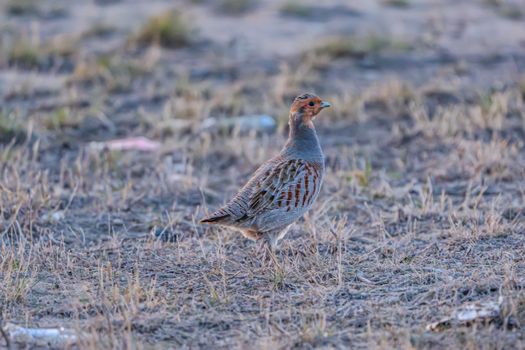
Chukar chickens (Alectoris chukar), native to Eurasia, have been introduced successfully to the United States and parts of Canada. They are medium-sized, beautifully marked game birds, weighing around 20-26 ounces (570-740 grams) at maturity. While they are not technically chickens, they are often grouped with poultry due to their farm uses and care requirements.
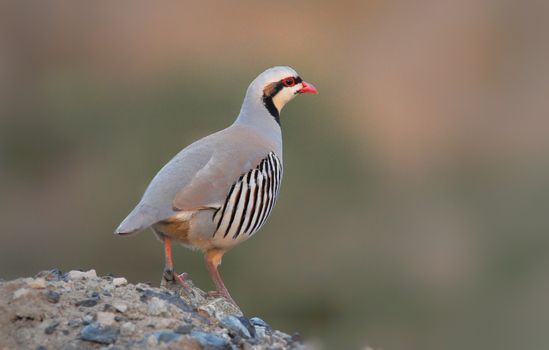
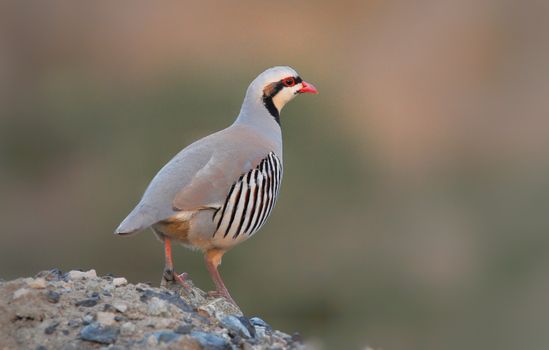
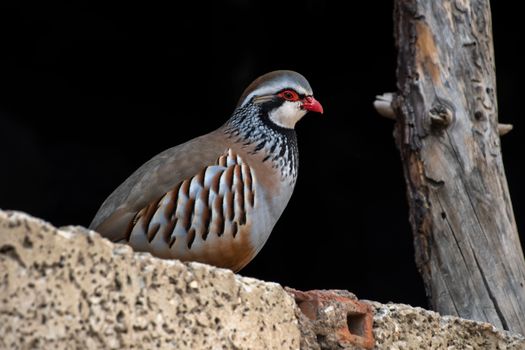
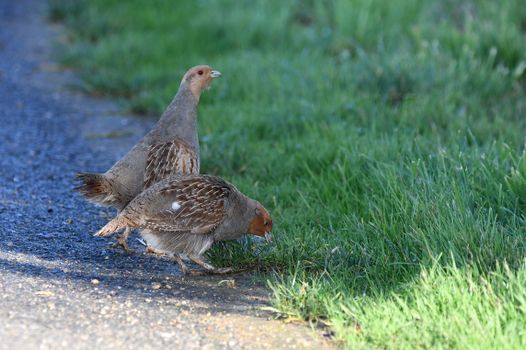
One of the main reasons people are drawn to chukars is their unique appearance and behavior. With bold black and white bars on their sides, a red beak, and a distinctive black band across the eye, chukars stand out in any flock. They are often raised for specialty meat, eggs, dog training, and even as ornamental birds.
.png)
What separates chukars from chickens, ducks, or quail is their adaptability. Chukars are renowned for their ability to thrive in dry, rocky, and hilly terrain—conditions that might challenge other poultry. This makes them a strong candidate for farms with less-than-ideal pasture or unpredictable climates.
Production: Eggs, Meat, and Growth Rates Compared
When choosing poultry for your backyard or small farm, production is a key consideration. Chukar chickens differ significantly from other poultry in terms of egg and meat output.
Egg Production: - Chukar hens lay between 40-50 eggs per season (generally from April to July). - By comparison, a standard chicken can lay over 250 eggs annually. - Quail, like the Coturnix, can lay up to 300 eggs per year. Meat Production: - Chukar chickens reach processing weight (about 1 pound, dressed) at 16-20 weeks. - Chickens (broilers) reach 4-6 pounds in 6-8 weeks. - Ducks and turkeys grow larger and can require more feed and space. Growth Rates: - Chukars are relatively slow-growing compared to broiler chickens but similar to heritage chicken breeds.Here is a comparative table of key production metrics for chukar chickens versus other common poultry:
| Poultry Type | Annual Egg Production | Market Weight (weeks) | Average Adult Weight |
|---|---|---|---|
| Chukar Chicken | 40-50 | 16-20 | 1.25 lbs (570g) |
| Chicken (Layer) | 250-300 | 18-20 | 4-6 lbs (1.8-2.7kg) |
| Chicken (Broiler) | – | 6-8 | 5-7 lbs (2.3-3.2kg) |
| Coturnix Quail | 250-300 | 6-8 | 5-6 oz (140-170g) |
| Muscovy Duck | 60-120 | 10-12 | 6-12 lbs (2.7-5.4kg) |
| Turkey | 40-100 | 16-20 | 15-30 lbs (6.8-13.6kg) |
These numbers make it clear that while chukars are not the most productive in terms of egg or meat yield, their unique qualities may outweigh these statistics for some keepers.
Hardiness and Adaptability: Chukar Chickens vs. Other Poultry
One of the strongest advantages of chukar chickens is their natural hardiness. Originating from harsh environments, chukars are well adapted to extremes that might challenge or even kill other poultry types.
- Climate Adaptation: Chukars tolerate heat and dry conditions extremely well. Unlike ducks or chickens, they do not require lush pasture, and they thrive in rocky, uneven terrain. - Disease Resistance: Chukars are relatively resistant to many poultry diseases, though they are susceptible to coccidiosis in damp or unclean environments. Their wild ancestry gives them a robust immune system compared to some domesticated chicken breeds. - Feed Efficiency: Chukars require less protein than young broiler chickens and can make do with foraged grains and seeds, reducing feed costs—especially in marginal areas.However, chukars can be sensitive to stress, especially when overcrowded or poorly housed. They may also be more prone to flight and escape than heavier, flightless poultry like broilers or Muscovy ducks.
Behavior, Temperament, and Management Challenges
Behavioral differences between chukars and other poultry types can significantly impact daily management.
- Flightiness: Chukars are agile flyers and escape artists. Unlike chickens, which tend to stay close to home, chukars will readily take off if given the chance. Secure, netted pens are essential. - Social Structure: Chukars are less domesticated than chickens or ducks. They can be aggressive, especially during the breeding season. Males often fight, so extra space is crucial. - Handling: Chukars dislike being handled and can injure themselves if frightened. Their wild nature means they are not ideal pets for children or those seeking a docile backyard flock.In contrast, chickens and ducks are more docile, easier to handle, and generally less likely to injure themselves or each other. Quail can be flighty, but their smaller size makes management easier in confined spaces.
Market Value and Specialty Uses of Chukar Chickens
While chukars may not win in sheer productivity, they excel in market niche and specialty uses.
- Gourmet Meat: Chukar meat is considered a delicacy, particularly in gourmet restaurants and among game bird enthusiasts. A single dressed chukar can fetch between $8 and $15 on specialty markets, compared to about $2 per pound for conventional chicken. - Egg Use: Chukar eggs, although fewer in number, are prized for their rich flavor and unique appearance. They are often used in gourmet cooking or as specialty products at farmers’ markets. - Dog Training: Chukars are a favorite for training hunting dogs, particularly pointers and setters, due to their strong flight response. - Game Bird Release: Some states allow chukars to be raised for regulated release in hunting preserves, providing a source of income for breeders.These specialty markets can provide a premium over more conventional poultry products, making chukars a viable option for small-scale or diversified farm operations.
Potential Disadvantages and Risks of Raising Chukar Chickens
Despite their unique advantages, there are notable downsides to raising chukar chickens.
- Limited Egg and Meat Output: As shown in the production table, chukars simply do not match chickens or ducks in productivity. - Escape and Predation: Their flightiness makes them prone to escape and vulnerable to predators if not securely housed. - Limited Domestication: Chukars have not undergone the same centuries of selective breeding as chickens or ducks, making them less predictable and harder to manage. - Market Limitations: While there is a premium market for chukar products, it is relatively small and requires access to specialty buyers. - Legal Restrictions: In some areas, permits are required to keep or breed game birds like chukars, adding regulatory complexity.Before committing to chukar chickens, it’s important to weigh these risks against the potential rewards, especially if you’re new to poultry or have limited infrastructure.
Final Thoughts on Choosing Chukar Chickens Over Other Poultry
Chukar chickens offer a distinctive option for poultry keepers looking to diversify or specialize. Their adaptability, hardiness, and market value for gourmet meat and specialty eggs are compelling advantages, especially where climate or terrain challenges make traditional poultry difficult to raise. However, their limited productivity, challenging temperament, and need for secure housing mean they are not for everyone.
For small farms targeting niche markets, or for those with rocky, arid land unsuited to chickens or ducks, chukars can be a rewarding addition. For most backyard poultry enthusiasts seeking steady egg or meat production with easy management, chickens, ducks, or even quail may still be the better choice.