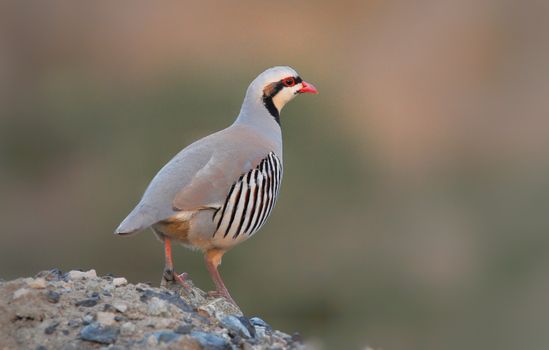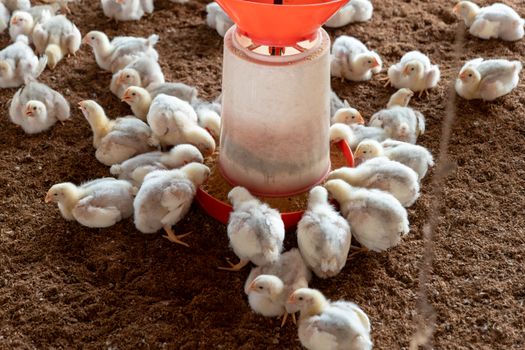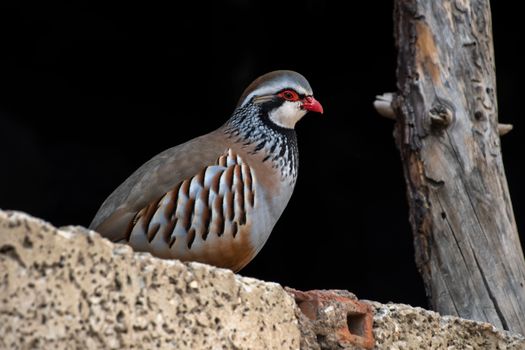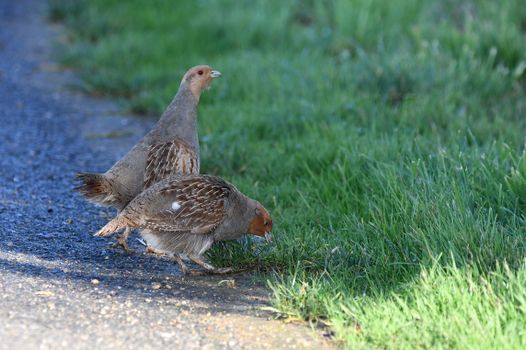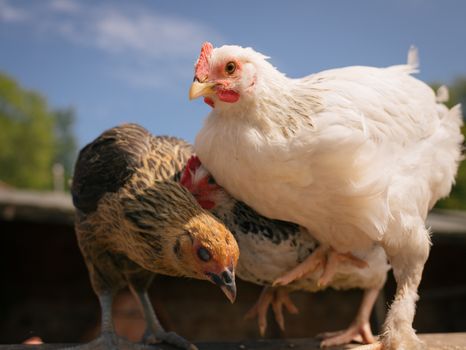
Raising backyard poultry has long been a popular venture for homesteaders and small-scale farmers, and in recent years, chukar chickens—often called chukar partridges—have become an intriguing alternative to traditional breeds. With their striking plumage, spirited nature, and adaptability, chukars offer a unique experience for keepers. However, before diving in, it’s vital to weigh both the benefits and challenges these birds present. In this comprehensive guide, we’ll explore the real-world advantages and disadvantages of raising chukar chickens, arming you with balanced, actionable knowledge before you make your decision.
The Unique Appeal of Chukar Chickens
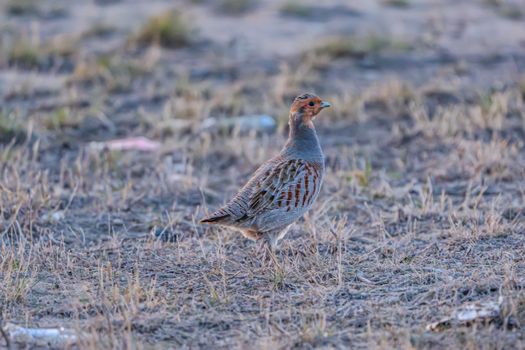
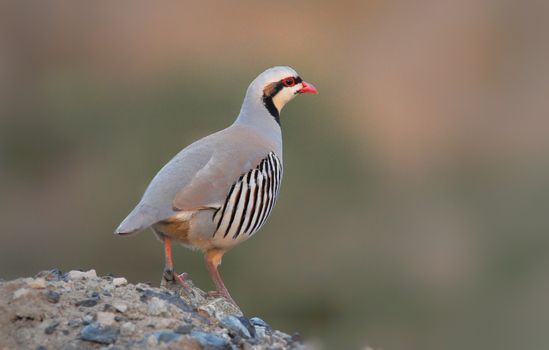
Chukar chickens (Alectoris chukar), native to Eurasia, have found a niche in North American game bird farms and backyard coops. They stand out for their compact size, attractive markings, and active demeanor. According to the USDA, over 2 million chukar partridges are raised annually in the United States, primarily for hunting preserves and meat production.
One of the main attractions of chukar chickens is their hardiness. These birds thrive in a variety of climates, from arid deserts to temperate woodlands, making them suitable for diverse regions. Their ability to forage efficiently also appeals to those seeking a more sustainable, low-maintenance flock.
.png)
Additionally, chukars mature quickly, reaching adult size and reproductive age in just 16-20 weeks. This rapid growth cycle means that investment in feed and care yields faster results compared to some other poultry species.
Advantages of Raising Chukar Chickens
Raising chukar chickens brings several notable benefits to small-scale farmers, homesteaders, and hobbyists. Here are some of the key advantages:
1. $1 Chukars are renowned for their efficient feed conversion ratio (FCR). On average, they require about 1.7 pounds of feed to produce 1 pound of body weight. In comparison, many traditional chicken breeds have an FCR closer to 2:1 or higher. This efficiency translates into lower feeding costs and quicker returns. 2. $1 Chukar chickens have a natural resistance to several common avian diseases, such as Newcastle disease and Marek’s disease, which often plague other poultry. This resilience reduces the need for frequent vaccinations and decreases the risk of flock loss. 3. $1 Due to their smaller size (adults typically weigh 1.25 to 1.5 pounds), chukars need less space than chickens or pheasants. Their compact build allows for denser housing, which can be an advantage for those with limited land. 4. $1 Chukar meat is prized for its delicate flavor and lean texture. A single adult chukar yields about 8-10 ounces of meat, making it popular among gourmet chefs and restaurants. While they are not prolific egg layers, hens can produce 40-50 eggs per year with proper care, which can supplement household needs or be sold as a niche product. 5. $1 Chukars are a favored choice for upland game bird preserves and dog training. Their natural agility and flight instincts make them challenging and rewarding game for hunters and trainers alike.Disadvantages and Challenges of Raising Chukar Chickens
Despite their positive attributes, chukar chickens come with distinct challenges. Potential keepers should be aware of the following disadvantages:
1. $1 Chukars are highly active and possess strong flying abilities. Without proper containment—such as covered pens with secure netting—they are prone to escaping. In fact, according to the National Wild Turkey Federation, escape rates can be as high as 30% in poorly managed facilities. 2. $1 Chukars can display territorial and aggressive tendencies, especially during the breeding season. Males are known to fight, sometimes causing injury or death within the flock. This behavior often requires additional management, such as separating overly aggressive individuals or providing visual barriers. 3. $1 While chukars do lay eggs, their output is significantly lower than that of standard chicken breeds. For comparison, a productive laying hen can produce over 250 eggs per year, while a chukar hen typically lays less than 50. This makes them less suitable for those seeking a reliable source of eggs. 4. $1 Chukars have specific dietary requirements, particularly for protein and minerals. Inadequate nutrition can lead to poor growth, feather loss, and reduced fertility. They are also sensitive to water quality—any contamination can quickly lead to illness or mortality. 5. $1 While there is a strong demand for chukar meat and live birds in hunting preserves, the broader market is limited compared to chickens or quail. This can make it more challenging to sell surplus stock or eggs, especially in regions without a strong hunting culture.Comparing Chukar Chickens to Other Poultry Options
To help you better understand how chukars stack up against more familiar poultry species, here’s a comparison table highlighting key features:
| Feature | Chukar Chickens | Standard Chickens | Quail |
|---|---|---|---|
| Average Adult Weight | 1.25 - 1.5 lbs | 4 - 6 lbs | 0.25 lbs |
| Egg Production (per year) | 40 - 50 eggs | 250 - 300 eggs | 200 - 300 eggs |
| Feed Conversion Ratio (FCR) | 1.7:1 | 2:1 | 1.5:1 |
| Time to Maturity | 16 - 20 weeks | 20 - 24 weeks | 6 - 8 weeks |
| Flightiness/Escape Risk | High | Low | Very High |
| Meat Quality | Lean, gourmet | Varied | Delicate, mild |
This table demonstrates that chukar chickens occupy a middle ground between standard chickens and quail in terms of size and production characteristics. Their unique blend of attributes makes them a specialized addition to any poultry operation.
Practical Considerations Before Starting with Chukars
If you’re considering adding chukar chickens to your flock, planning is essential. Here are key points to keep in mind:
- $1 Secure, covered aviaries or pens are a must. Experts recommend at least 2 square feet per bird, with netting strong enough to withstand attempts at escape. Flight pen height should be at least 6 feet to discourage injuries from panicked flights. - $1 High-protein game bird starter feed (24-28% protein) is recommended for chicks, tapering to a 20% protein maintenance feed for adults. Supplement with grit and clean, fresh water at all times. - $1 While generally hardy, routine health checks for parasites and signs of disease are still necessary. Quarantine new birds before introducing them to your flock. - $1 Some regions require permits to raise game birds, including chukars. Always check with local wildlife and agricultural authorities before starting your flock. - $1 If you plan to sell meat, eggs, or live birds, identify potential buyers and outlets in advance. Networking with hunting preserves, gourmet restaurants, and farmer’s markets can open up opportunities.Environmental Impact and Ethical Considerations
Raising chukar chickens can have both positive and negative environmental impacts. On the plus side, their efficient feed conversion and foraging ability may reduce pressure on feed resources. However, escaped chukars can become invasive in some regions, outcompeting native wildlife and disrupting local ecosystems. The U.S. Geological Survey reports established populations of feral chukars in 12 western states, where they sometimes compete with native game birds for food and habitat.
Ethically, their spirited nature can lead to stress and injuries in overcrowded conditions. Responsible keepers should prioritize ample space, enrichment, and humane treatment to ensure the well-being of their flock.
Final Thoughts on Raising Chukar Chickens
Raising chukar chickens offers a distinctive alternative to conventional poultry, blending efficient growth, disease resistance, and gourmet appeal. However, their unique behavioral traits, special care requirements, and niche market mean they aren’t ideal for everyone. For those who appreciate a challenge and have the resources to provide secure, species-appropriate care, chukars can be a rewarding addition to a backyard or small farm setting.
As with any livestock venture, success with chukar chickens hinges on careful planning, a clear understanding of their needs, and a commitment to responsible stewardship. By weighing the advantages and disadvantages outlined above, you’ll be well prepared to decide if these spirited birds are the right fit for your poultry ambitions.