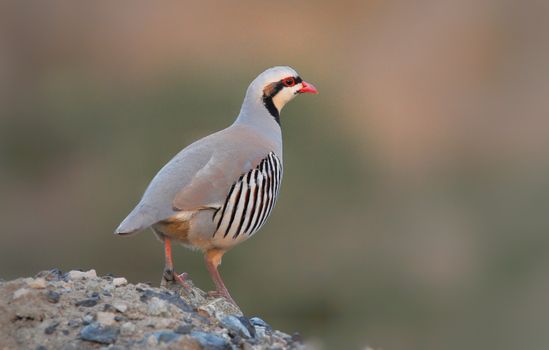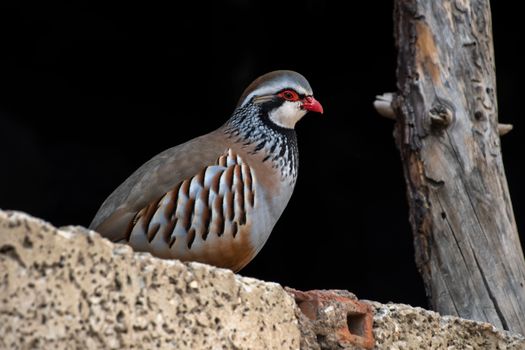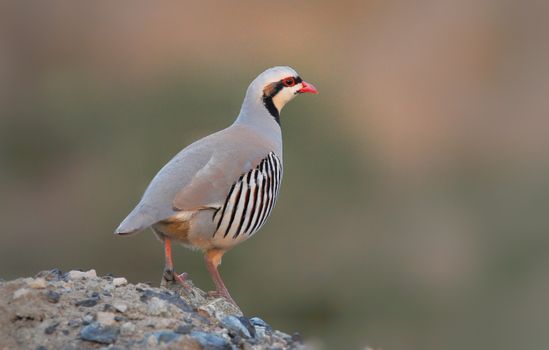
Raising chukar chickens, also known as chukar partridges (Alectoris chukar), has gained popularity among hobbyists, small-scale farmers, and game bird enthusiasts. While chukars are admired for their hardiness, adaptability, and desirable meat qualities, achieving consistent success in raising them depends heavily on having the right equipment. The proper setup not only ensures healthy, thriving birds but also streamlines daily routines and maximizes productivity. Whether you are starting with a handful of birds or planning a larger operation, understanding the essential equipment for chukar chickens is key to your success.
The Importance of Purpose-Built Housing for Chukar Chickens
Chukar chickens require specific housing to protect them from predators, inclement weather, and disease. Unlike domestic chickens, chukars are flighty and can escape easily. Their enclosures must be designed with their unique behavior and needs in mind.
A suitable chukar pen should provide at least 2 square feet per bird. For example, a flock of 20 birds should have a minimum of 40 square feet of space. The pen should be covered with strong netting or wire mesh to prevent escapes and keep out aerial predators like hawks. Welded wire mesh with half-inch spacing is ideal, as it prevents rodents and snakes from entering.
.png)
Shelter within the pen is crucial to shield birds from wind, rain, and direct sunlight. A simple wooden or metal structure, elevated slightly off the ground, offers protection and a dry resting area. Proper ventilation is vital; stagnant air increases the risk of respiratory diseases, which account for up to 30% of health issues in game birds according to the University of California Cooperative Extension.
In addition to space and shelter, consider adding perches at varying heights. Chukars enjoy roosting off the ground, and elevated perches can reduce aggression and pecking behavior, especially in densely stocked pens.
Feeding Systems: Ensuring Proper Nutrition and Hygiene
Nutrition is one of the most critical factors in the successful raising of chukar chickens. Chukars require a high-protein diet (24-28% protein for chicks, dropping to 18-20% for adults) to support their rapid growth and robust health. The right feeding equipment helps prevent feed waste, contamination, and competition among birds.
Automatic or gravity-fed feeders are highly recommended. These allow birds continuous access to fresh food while minimizing spillage and soiling. For a flock of 20 chukars, a 10-pound capacity feeder is sufficient, refilled every 2-3 days. Feeders should be raised off the ground (about 6-8 inches) to discourage scratching and contamination.
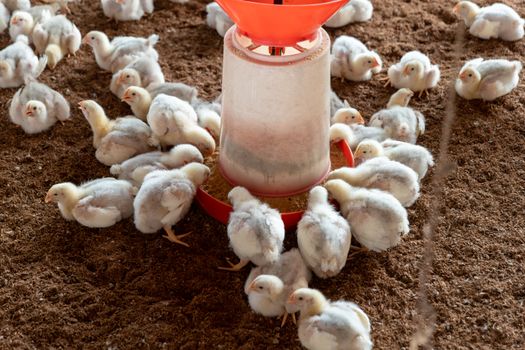
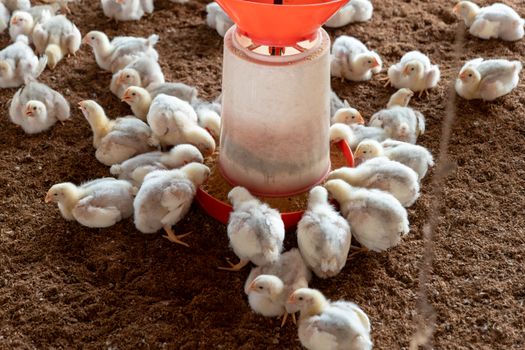
For younger chicks, specialized chick feeders with narrow troughs prevent them from getting into the feed and scattering it. These feeders often have covers or grids to keep chicks from walking in the food.
Regularly clean all feeding equipment to prevent the buildup of mold or bacteria, as contaminated feed is a leading cause of mortality in game birds.
Waterers: Maintaining Clean, Reliable Water Supply
Fresh, clean water is essential for chukar chickens, especially during the hot summer months when dehydration can quickly become fatal. Adult chukars drink up to 120 ml of water per day per bird, and even more in high temperatures. Thus, an efficient watering system is a non-negotiable part of your setup.
There are several types of waterers suitable for chukars:
- Bell waterers: These gravity-fed systems are popular for their simplicity and ease of use. A single 1-gallon bell waterer can serve approximately 20 adult chukars for a day. - Nipple waterers: These systems reduce spillage and contamination since birds drink directly from the nipple. They are especially efficient in larger flocks and reduce the labor of cleaning. - Trough waterers: While cost-effective, these require frequent cleaning and refilling, as chukars may dirty the water quickly.Place waterers at a height that allows easy access but minimizes the risk of the birds stepping in or fouling the water. In colder climates, heated waterers prevent freezing—a vital consideration, as chukars cannot survive more than a few hours without water in winter.
Brooding Equipment: Critical for Chukar Chick Survival
Raising chukar chicks demands specialized brooding equipment. Newly hatched chukar chicks are highly sensitive to temperature fluctuations and require a carefully controlled environment.
Brooders should maintain a starting temperature of 95°F (35°C) for the first week, decreasing by 5°F each week until reaching ambient room temperature. Infrared heat lamps or commercial brooder heaters are the most reliable heat sources. The University of Georgia Cooperative Extension recommends providing at least 0.5 square feet per chick in the brooder.
Brooder guards, which are circular barriers, help keep chicks close to the heat source and prevent piling, a common cause of chick mortality. Non-slip brooder flooring, such as rubber mats or wire mesh with paper liners, is ideal for preventing leg injuries and promoting hygiene.
Additionally, small gravity feeders and waterers designed for chicks should be used during the brooding period. These reduce the risk of drowning and ensure easy access to food and water.
Health and Safety Equipment: Protecting Your Flock
A proactive approach to health and safety is crucial in raising chukar chickens successfully. Several pieces of equipment help maintain flock health and prevent common diseases.
- Disinfectant footbaths: Placing footbaths filled with disinfectant at the entrance to your chukar pen helps prevent the spread of disease-causing pathogens. - Quarantine cages: New or sick birds should be isolated in separate cages to prevent disease outbreaks. These cages must be easy to clean and disinfect. - Dust baths: Chukars naturally clean themselves by dust bathing. Providing a shallow tray filled with sand and diatomaceous earth helps control mites and parasites. - First aid supplies: Keep a basic poultry first aid kit stocked with electrolytes, wound spray, and antibiotics for emergencies.Regular health checks and strict biosecurity protocols can reduce mortality rates, which average 10-15% in the first year for small flocks.
Comparing Equipment Options for Chukar Chicken Management
With various equipment choices on the market, it can be challenging to decide which is best for your setup. The table below compares common options for feeders and waterers, highlighting their pros and cons for chukar chicken raisers.
| Equipment | Type | Advantages | Drawbacks | Best For |
|---|---|---|---|---|
| Feeder | Gravity/Automatic | Reduces waste, easy refill, hygienic | Higher upfront cost | Medium to large flocks |
| Feeder | Open Trough | Low cost, easy to clean | Feed wastage, easy contamination | Small flocks, temporary use |
| Waterer | Bell | Easy access, visible water level | Can be tipped by birds, needs frequent cleaning | All flock sizes |
| Waterer | Nipple | Very hygienic, little waste | Requires installation, birds need to learn use | Large, commercial flocks |
| Waterer | Trough | Inexpensive, simple | Dirty quickly, risk of drowning for chicks | Short-term or emergencies |
Additional Tools for Efficiency and Monitoring
Beyond the basics, several pieces of equipment can further improve your chukar chicken operation:
- Egg collection baskets: Chukars begin laying at 24-26 weeks. Use soft-lined baskets to collect eggs gently and prevent breakage. - Record-keeping tools: Digital thermometers, hygrometers, and weight scales help monitor brooder and pen conditions, ensuring optimal growth. - Lighting timers: Controlled lighting (14-16 hours of light daily) can boost egg production and maintain healthy circadian rhythms. - Predator alarms or motion-activated lights: These deter nocturnal predators and protect your investment.Investing in these additional tools can increase productivity and reduce losses, especially as your operation scales up.
Final Thoughts on the Equipment Needed for Successful Chukar Chicken Raising
The right equipment forms the backbone of any thriving chukar chicken operation. From secure housing and efficient feeders to specialized brooding equipment and health supplies, each component plays a crucial role in flock health, safety, and productivity. While some equipment involves a higher initial investment, the long-term benefits—reduced mortality, increased egg production, and ease of management—make it worthwhile. As you expand your chukar chicken venture, regularly review your equipment setup and upgrade as needed to ensure continued success.