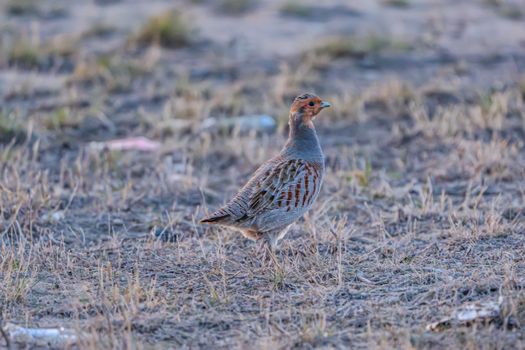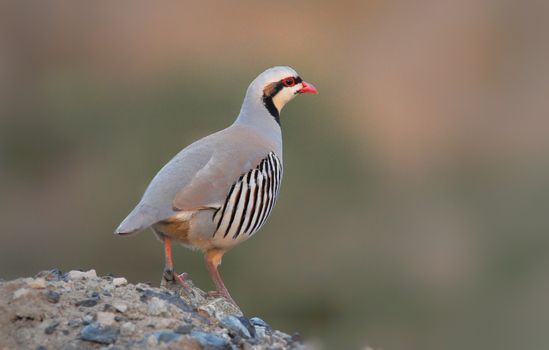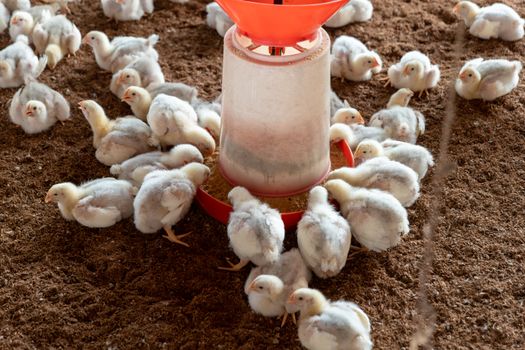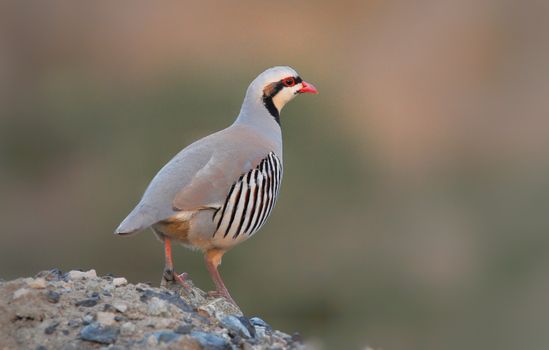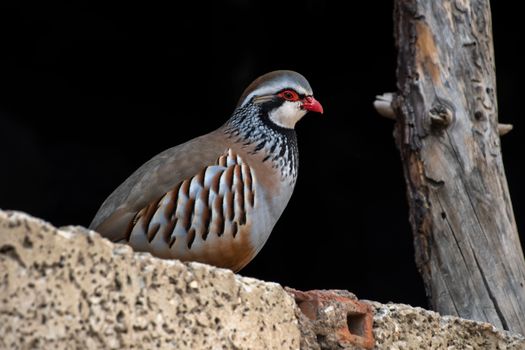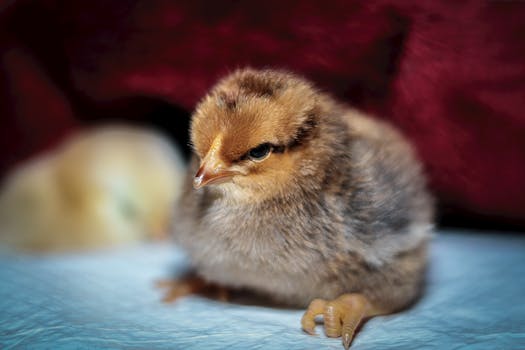
Raising chukar chicks is an exciting and rewarding endeavor for both hobbyists and small-scale game bird farmers. Known for their striking appearance and adaptability, chukar partridges (Alectoris chukar) have gained popularity worldwide as game birds and for conservation purposes. However, successful rearing begins with proper selection and diligent care during the early stages of life. This comprehensive guide will walk you through how to choose healthy chukar chicks, set up the perfect brooding environment, ensure optimal nutrition, prevent health issues, and support growth for vibrant, thriving birds.
Understanding the Unique Needs of Chukar Chicks
Chukar chicks are not quite like domestic chickens or quail. They have specific requirements that, if overlooked, can lead to stunted growth or poor survivability. For instance, chukar chicks are highly active and susceptible to chilling and stress within the first few weeks of life. According to the National Agricultural Statistics Service, chukar partridge hatcheries in the U.S. reported a 30% chick loss rate in operations where brooding conditions were not adequately managed, compared to less than 10% in optimized setups. Recognizing these unique needs from the outset is crucial for ensuring your chicks' well-being.
Key differences include:
- Faster metabolism and growth rates compared to many poultry species - Higher protein requirements in the first weeks of life (24-28%) - Greater sensitivity to temperature fluctuations and drafts - Stronger tendency to pile up, which may lead to fatal smothering if not managedBy understanding these differences, you can tailor your selection and care approach specifically for chukars, dramatically improving survival rates and growth performance.
.png)
How to Select Healthy Chukar Chicks: Traits and Red Flags
The foundation of a strong chukar flock begins with selecting the right chicks. Whether purchasing from a reputable hatchery or hatching your own, scrutinizing each chick for health and vigor is essential.
What to Look For in Chukar Chicks: - Bright, alert eyes with no discharge - Strong, upright stance and quick, coordinated movement - Clean, fluffy down free of debris or matting - Well-healed navels (no swelling or leakage) - No signs of splayed legs, curled toes, or joint deformities - Pink, healthy legs and beaks (no pale or blueish discoloration) Red Flags Indicating Poor Health: - Lethargy or reluctance to move - Drooping wings or head - Wet or pasted vents (a sign of digestive issues) - Labored breathing or open-mouth panting - Visible deformities or injuriesMany expert breeders recommend selecting chicks that are at least 24 hours post-hatch but not older than 48 hours for best results. This ensures they have absorbed their yolk sac but have not been stressed by shipping or holding for too long.
Comparison Table: Key Selection Criteria for Chukar, Quail, and Chicken Chicks
| Criteria | Chukar Chicks | Quail Chicks | Chicken Chicks |
|---|---|---|---|
| Optimal Age for Selection | 24-48 hours | 12-36 hours | 24-72 hours |
| Protein Needs (First 2 weeks) | 24-28% | 23-25% | 20-22% |
| Temperature Sensitivity | Very High | High | Moderate |
| Risk of Piling/Smothering | High | Moderate | Low |
Setting Up the Ideal Brooding Environment for Chukar Chicks
Once you have selected healthy chicks, the next critical step is establishing a safe, warm, and hygienic brooder. A proper brooder mimics the secure, warm environment of the hen and is vital for the first 6 weeks of a chukar chick’s life.
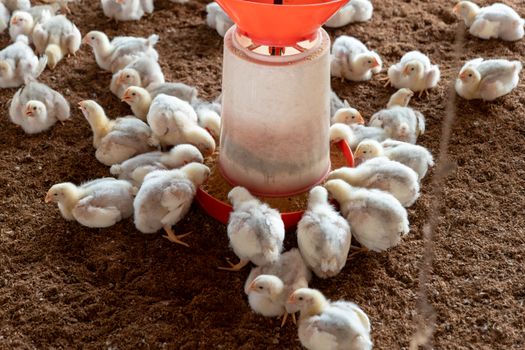
Brooder Temperature and Setup: - Start with a brooder temperature of 95°F (35°C) for the first week. Reduce by 5°F (about 3°C) each subsequent week until you reach room temperature (70°F or 21°C). - Use a circular brooder to prevent corner piling. Circular kiddie pools or specialized brooder rings with at least 18-inch-high sides work best. - Provide 0.5 square feet per chick for the first two weeks, increasing to 1 square foot as they grow. - Supply bedding such as paper towels for the first week to prevent leg issues, then transition to fine wood shavings. Avoid slippery surfaces and cedar, which can be toxic. Ventilation and Safety: - Ensure good airflow without direct drafts. Use a mesh cover to keep out predators and prevent escapes. - Place feeders and waterers away from the brooder’s hottest area but easily accessible. Chukar chicks learn to drink and eat quickly by imitation, so ensure every chick can reach food and water. Lighting: - Provide 18-20 hours of low-intensity light daily for the first 2 weeks, then gradually reduce to 12-14 hours to mimic natural daylight.Proper brooder setup significantly reduces chick losses. A study by the University of Idaho showed that flocks kept in circular brooders had 50% fewer incidents of piling compared to those in rectangular or square brooders.
Nutrition for Rapid Growth and Strong Immunity
Chukar chicks have rapid growth rates, doubling in size within their first 10 days. Meeting their nutritional needs is essential for bone development, feathering, and immune system strength.
Starter Feed: - Use a high-protein (24-28%) game bird or turkey starter crumble. Do not substitute with standard chicken starter, as it lacks essential amino acids. - Avoid medicated feeds unless coccidiosis is a known issue in your area and only use products labeled safe for game birds. Water: - Fresh, clean water must be available at all times. Use shallow waterers with marbles or pebbles to prevent drowning. - In the first 48 hours, supplement water with electrolytes and vitamins to reduce stress and support hydration. Grit and Supplements: - Provide chick grit from day 7 onwards to aid digestion, especially if introducing grains or greens. - Avoid treats or extras in the first week; focus on complete starter feed for balanced nutrition.Feeding inferior diets can stunt growth or cause health issues. A 2021 survey by the Game Bird Breeders Association found that chukar chicks fed proper game bird starter had 15% higher survival rates and reached market weight 10 days sooner than those fed improvised diets.
Preventing Common Health Problems in Chukar Chicks
Despite best efforts, chukar chicks are susceptible to a few key health challenges. Early detection and prevention are crucial.
Coccidiosis: - This intestinal disease is a leading cause of chick mortality. Keep bedding dry and brooder clean; use medicated feed if advised by a veterinarian. Pasting (Pasty Butt): - Stressed or chilled chicks may develop pasty vent. Check chicks daily and gently clean affected areas with warm water. Leg Problems: - Splayed legs and curled toes often result from poor footing or vitamin deficiencies. Use non-slip bedding and provide vitamin B complex in water if early symptoms appear. Respiratory Issues: - Avoid ammonia buildup by changing bedding frequently and ensuring good ventilation. Biosecurity: - Limit visitors, sanitize equipment, and quarantine new birds to avoid introducing diseases.Maintaining strict hygiene and monitoring chick behavior can reduce losses by up to 80%, according to recent studies from the University of Minnesota's Poultry Science Department.
Transitioning Chukar Chicks to Outdoor Pens
At 5-6 weeks, chukar chicks are ready to begin transitioning outdoors. This period is critical for acclimating them to new conditions, encouraging natural behaviors, and preventing stress.
Preparation Steps: - Ensure outdoor pens are predator-proof with fine mesh and solid roofs. - Transition during mild weather; avoid moving chicks during cold snaps, heavy rain, or extreme heat. - Move chicks in the morning so they have a full day to explore and settle. Acclimation: - Gradually introduce chicks to cooler temperatures by reducing brooder heat before the move. - Provide shelter, shade, and dry ground to mimic natural habitat. - Scatter feed and provide water in multiple locations to encourage foraging and reduce crowding.Proper transition reduces stress and supports healthy feathering and immune response. A smooth move also lowers the risk of piling and injury common in older chicks suddenly exposed to unfamiliar environments.
Final Thoughts on Raising Strong, Healthy Chukar Chicks
Whether you’re raising chukar chicks for personal enjoyment, hunting preserves, or conservation, investing in proper selection and attentive care during the first few weeks pays dividends for the life of your flock. From choosing only the healthiest, most vigorous chicks to providing specialized brooding conditions, high-quality nutrition, and vigilant disease prevention, each step is crucial. By following these targeted strategies, you can expect lower mortality rates, faster growth, and robust, healthy birds ready to thrive in their next stage of life.