Chukar chicks, derived from the Chukar Partridge, are a unique breed that has increasingly caught the interest of bird enthusiasts, aviculturists, and sustainable farmers around the world. Originating from the rugged terrains of Eurasia, particularly in the Middle East and Asia, these birds are celebrated for their distinct characteristics and adaptability. Here’s a comprehensive look at what makes Chukar chicks stand out.
Physical Characteristics
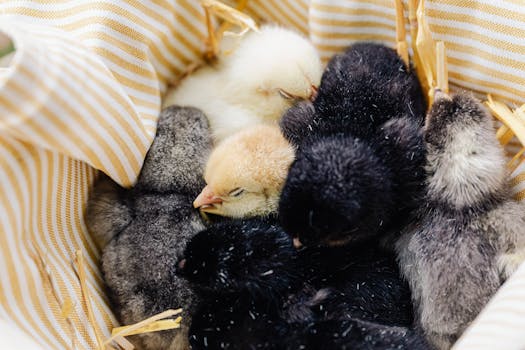
From the moment they hatch, Chukar chicks display a distinctive soft, patterned down that provides camouflage against their native rocky environments. This early adaptation is vital for their survival, protecting them from natural predators. As they mature, their plumage evolves into an eye-catching pattern of grey, black, and rust, highlighted by a bold black band across their eyes and down their neck. This striking appearance not only appeals to bird watchers but also adds a decorative element to farms where they are raised.
.png)
Behavioral Traits
Chukar chicks are notably resilient, thriving in harsh, arid conditions where other birds might falter. They exhibit strong foraging instincts from a young age, adept at navigating difficult terrains to find food. This robust nature makes them suitable for regions that mimic their native habitat, and they are often favored in arid farming areas worldwide.
Diet and Nutrition
These chicks are not picky eaters. Their diet primarily consists of seeds, grains, and insects, which makes them relatively easy to care for in captivity. This dietary flexibility is advantageous for small-scale farmers and those involved in sustainable agriculture practices, as it does not require specialized feed.
Reproductive Efficiency
Another notable trait of Chukar chicks is their quick maturation. Females are capable of laying eggs as early as six months old, with a breeding season that typically results in a high yield of robust, nutrient-rich eggs. The eggs' thick shells and creamy yolks not only make them a culinary delight but also enhance their value in the poultry market.
Social Dynamics
Chukar chicks are inherently social creatures, thriving in communal settings. This social structure is crucial for their developmental phase, helping them learn vital survival skills and establish a social hierarchy within the flock. Observing these interactions provides deeper insights into their complex social behaviors.
Conservation and Ecological Impact
While Chukar partridges are not currently endangered, their popularity in game hunting and as farm birds necessitates responsible breeding and conservation efforts. Breeding Chukar chicks in captivity helps preserve the species and contributes to ecological balance in their native habitats. It’s also important to monitor their introduction to new environments to prevent them from becoming invasive species.
Popularity Beyond Farming
The unique qualities of Chukar chicks have made them increasingly popular as pets and in aviculture, beyond traditional agricultural uses. Their adaptability and striking appearance make them appealing to a broader audience interested in exploring avian species beyond common domestic birds.
Conclusion
Chukar chicks offer a remarkable combination of beauty, resilience, and utility. Their adaptability to harsh environments, coupled with their distinctive physical and behavioral traits, makes them an excellent choice for a range of purposes—from sustainable farming to conservation projects. Whether as part of an ecological initiative, a small-scale agricultural venture, or simply for their ornamental value, Chukar chicks represent a fascinating blend of nature’s versatility and rugged charm.