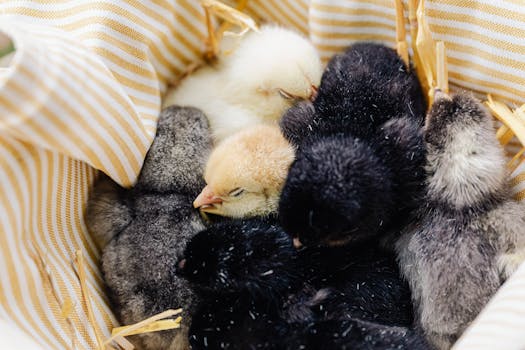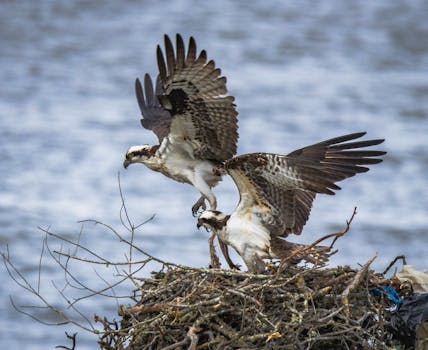
Bird breeding is not just about preserving the beauty and variety of bird species; it's a vital component of global biodiversity and ecological health. Birds play diverse roles in ecosystems, from controlling pests to aiding in plant reproduction through pollination and seed dispersal. Thus, ensuring their survival through effective breeding and conservation strategies is crucial for environmental stability.
The Significance of Genetic Diversity
Genetic diversity is the foundation of species survival and adaptability. It enables bird populations to withstand environmental changes, resist diseases more effectively, and minimize the occurrence of genetic anomalies. Conservation breeding programs are crucial as they aim to preserve or enhance this diversity, particularly in endangered bird species. These programs often involve careful pairing, habitat simulation, and sometimes, genetic research to ensure healthy, viable offspring that can contribute to population stability.
.png)
Challenges in Bird Breeding
Bird breeding, especially in natural settings, encounters numerous obstacles:
- Habitat Loss: The destruction of forests, encroaching urbanization, and expansive agricultural development strip birds of their natural breeding grounds.
- Climate Change: Shifts in climate alter the availability of critical resources like food and nesting sites, disrupting traditional breeding patterns.
- Illegal Wildlife Trade: Poaching and illegal trading of birds not only deplete the native populations but also threaten the genetic diversity and survival of species.
Conservation Strategies and Protected Areas
Establishing protected areas and wildlife reserves is a direct method to combat the challenges facing bird breeding. These zones offer a refuge where birds can breed undisturbed, with access to ample resources. Conservationists often engage in active management of these areas to ensure they meet the ecological needs of bird species, including those that are migratory.
The Role of Education and Community Involvement
Educating the public about the critical roles birds play in ecosystems can lead to increased support for conservation initiatives. Community engagement is especially effective as it empowers local populations to participate actively in conservation efforts, fostering a sense of responsibility and stewardship towards the local wildlife.
Leveraging Research and Technology
Research is vital to understanding the complexities of bird breeding and survival. Studies on behavior, genetic health, and ecological impacts inform conservation strategies that can lead to more successful breeding programs and reintroduction efforts. Moreover, technology such as GPS tracking, drones, and automated sensors can monitor bird populations more efficiently and with minimal disturbance, providing data essential for informed decision-making.
Conclusion
Effective bird breeding programs are essential for conservation efforts, ensuring not only the survival of bird species but also the ecosystems that depend on them. Through a combination of protected areas, advanced research, and community-driven initiatives, conservationists are working to overcome the significant challenges that threaten these vital members of the natural world. Continued support and enhancement of these efforts are imperative to maintain the ecological balance and biodiversity that birds help sustain.