Rural farming, integral to global food supply and community sustenance, faces multifaceted challenges that demand innovative and sustainable solutions. Despite its trials, strategic approaches can enable farmers to thrive, enhancing both their production and the well-being of their communities.
Geographical Isolation and Infrastructure Issues One of the most pressing issues for rural farmers is their remote location, which often translates into limited access to markets, technologies, and vital agricultural inputs. Poor infrastructure exacerbates this, complicating the transportation of goods and access to timely agricultural information. Solutions may include developing more robust local markets, improving road and telecommunications infrastructure, or utilizing online platforms to bridge the gap between rural areas and global markets.
Climate Variability and Weather Extremes The unpredictability of weather due to climate change poses a severe risk to rural farming. To mitigate these effects, farmers are increasingly adopting climate-resilient farming techniques. These include shifting to drought-resistant crop varieties, adjusting planting calendars, and investing in efficient water management systems such as drip irrigation to cope with variability in rainfall.
.png)
Financial Accessibility Securing necessary funds remains a critical hurdle. Traditional banking institutions often hesitate to serve rural areas due to perceived higher risks and lower profitability. However, alternative financial models like microfinance institutions, crowdfunding, and government-backed agricultural loans can offer more tailored financial services and credit availability, enabling farmers to invest in necessary resources and technology.
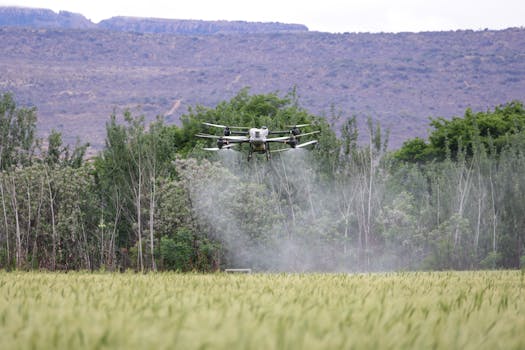
Labor Shortages The rural exodus of the younger demographic in search of urban employment leaves behind an aging farmer population, often unable to meet the labor-intensive demands of traditional farming. Mechanization and automation present viable solutions, allowing for maintained productivity with less human labor. Technologies such as automated harvesters and drones for crop monitoring can significantly reduce the labor burden.
Sustainable Practices and Market Opportunities Sustainability in farming not only aids in coping with environmental challenges but also opens up new market opportunities. Practices like organic farming, permaculture, and integrated pest management can improve soil health and reduce chemical use, appealing to a growing consumer base looking for environmentally friendly and health-conscious products. Direct marketing channels, such as farmers' markets and CSA (Community Supported Agriculture), allow farmers to gain better profitability and market responsiveness.
Technological Integration Advancements in agricultural technology, including precision farming and data analytics, offer profound benefits. Use of GPS technology, IoT (Internet of Things), and AI (Artificial Intelligence) for real-time field monitoring helps in precise application of resources, thereby increasing efficiency and yield. Mobile technology, moreover, provides critical real-time data to farmers about weather conditions, pest infestations, and market prices, facilitating more informed decision-making.
Community and Cooperative Support Forming or joining cooperatives can provide rural farmers with shared resources, collective bargaining power, and a stronger voice in policy advocacy. These cooperatives can enhance purchasing power for seeds and equipment, share access to larger markets, and provide a support network for knowledge exchange and mutual assistance.
In essence, while rural farming is undoubtedly challenging, it holds tremendous potential for innovation and sustainability. Through a combination of technological adoption, sustainable agricultural practices, enhanced financial and market access, and strong community support systems, rural farmers can effectively navigate the complexities of modern agriculture. This balanced approach not only ensures the viability of rural farming economically and socially but also contributes significantly to broader environmental goals, reinforcing the critical role of rural farming in sustainable global food production.