.png)
Understanding the differences between wild and farm-raised birds is crucial for several reasons, ranging from ecological impact to dietary choices. Wild birds thrive in their natural habitats, performing essential ecological roles such as pollination and pest control. They exhibit natural behaviors and maintain a diet that is diverse and specific to their environmental needs. This not only ensures their survival but also promotes biodiversity.
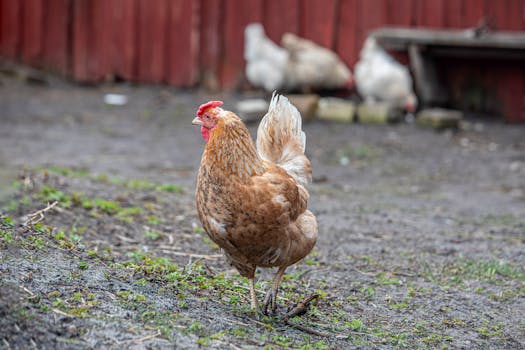
Conversely, farm-raised birds are primarily reared for agricultural output, such as meat and eggs. These birds live in more controlled environments where their diet, behavior, and even genetic makeup are tailored to optimize productivity and disease resistance. This often leads to a reduction in genetic diversity and can restrict natural behaviors, impacting their welfare.
Additionally, the environmental impact of raising birds on farms, especially when not managed sustainably, includes habitat destruction and pollution from agricultural runoff. These factors can adversely affect local ecosystems and wildlife, including wild bird populations.
For consumers, understanding these differences is key to making informed decisions about food consumption that align with personal ethics and environmental sustainability. Choosing products from sources that practice ethical farming can help influence better welfare conditions for farm-raised birds and reduce negative environmental impacts.
In summary, while both wild and farm-raised birds play important roles in their respective ecosystems, the differences between them are significant and have wide-reaching implications for biodiversity, animal welfare, and environmental health.