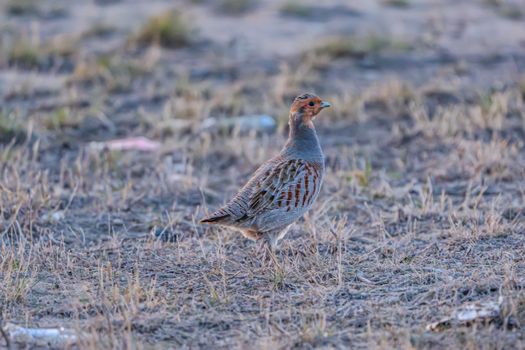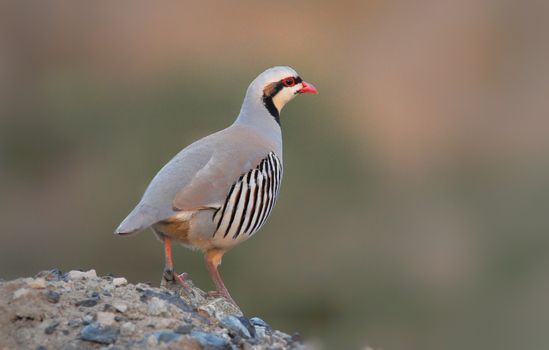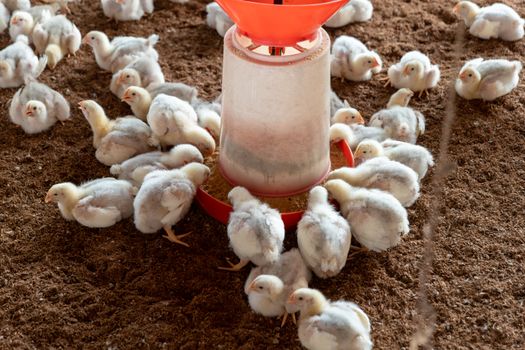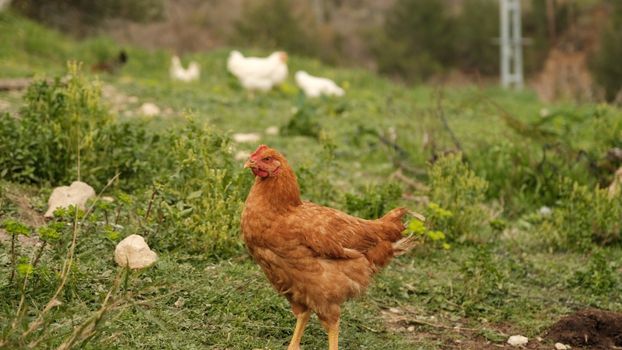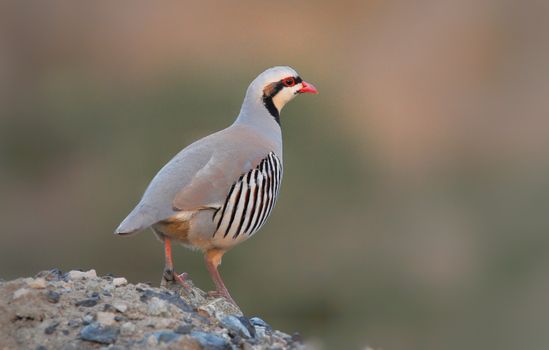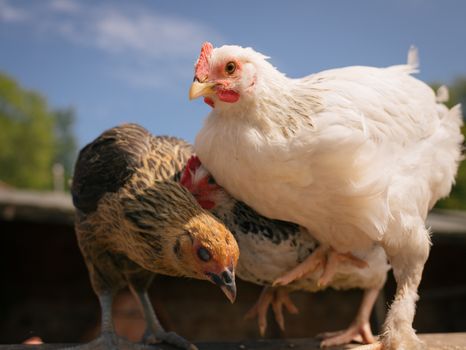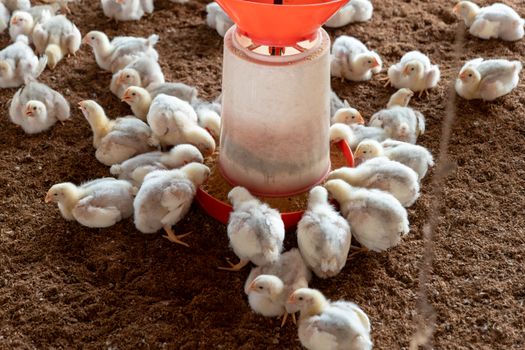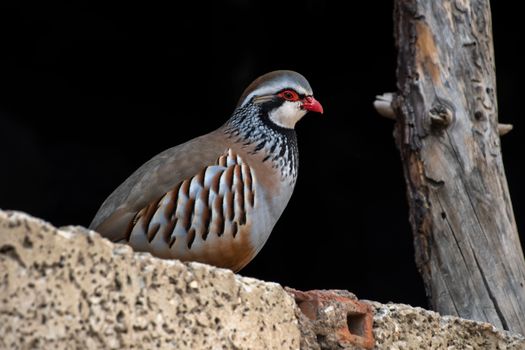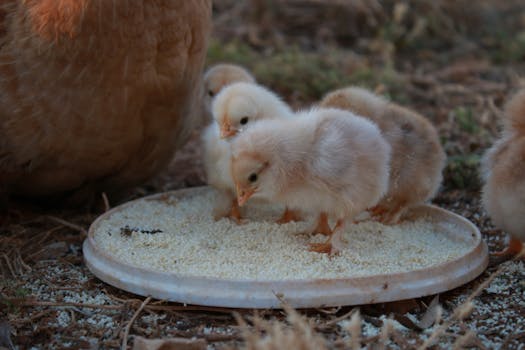
Raising healthy chukar partridge chicks starts with understanding their unique nutritional requirements as they grow. These small, hardy game birds (Alectoris chukar) are popular both for sport and as a sustainable source of lean meat. However, their early-life dietary needs differ significantly from those of chickens or other poultry, and even subtle lapses in nutrition can impact survival, growth rate, and future productivity. This article explores the nutritional needs of chukar chicks at different developmental stages, highlights key nutrients, and provides practical guidance for optimal feeding practices.
The Unique Growth Patterns of Chukar Chicks
Unlike some other poultry species, chukar chicks undergo rapid physiological changes in their first weeks of life. They typically hatch at around 16-18 grams, and by the eighth week, healthy individuals can weigh 140-180 grams. This means their body weight can increase by up to ten times in just two months—a remarkable growth rate that demands careful nutritional planning.
Chukar chicks have a high metabolic rate, making them sensitive to deficiencies in protein, energy, vitamins, and minerals. Growth rates are fastest during the first 4 weeks, when bone, muscle, and feather development are most intense. As the chicks mature, their nutritional needs shift, requiring adjustments in feed composition to support optimal health and performance.
.png)
Critical Nutrients for Early Life (0-3 Weeks)
The first three weeks after hatching are crucial for chukar chick survival and development. In this period, their digestive systems are still maturing, and they are especially vulnerable to nutritional imbalances. The foundational nutrients during this phase include:
- $1: Chicks require 26-28% high-quality protein for rapid tissue and feather growth. Animal-based proteins (such as fish meal or dried insects) are highly digestible and support immune system development. - $1: A metabolizable energy content of 2,900–3,100 kcal/kg supports their fast metabolism. Too much energy, however, can lead to obesity and leg problems. - $1: Methionine and lysine are essential for muscle and feather synthesis. Deficiencies can result in stunted growth and poor feathering. - $1: Vitamins A, D3, E, and B-complex are vital for immune function, bone development, and metabolism. Calcium and phosphorus must be provided in a carefully balanced ratio (typically 1.2:1 to 1.5:1) for strong bones and beaks.Research published in Poultry Science shows that chukar chicks fed a starter diet with 28% protein and balanced amino acids had 15% higher survival rates and 18% greater weight gain compared to those on lower-protein rations.
Transitional Feeding: The Grower Stage (4-8 Weeks)
As chukar chicks enter the grower stage, their nutritional demands shift. Bone growth continues, but muscle and organ development accelerate. At this stage, dietary adjustments are necessary to maintain optimal growth without encouraging excessive fat deposition.
- $1: Requirements drop slightly to around 22-24%, still higher than for many other game birds. - $1: Energy levels can be maintained at 3,000–3,200 kcal/kg, supporting increased activity and metabolic needs. - $1: Calcium needs rise as the skeleton matures. Levels of 1.3–1.5% calcium and 0.7–0.9% phosphorus are recommended. - $1: Zinc, selenium, manganese, and copper support enzyme function and immune health. Deficiencies at this stage can cause lasting developmental problems.During the grower stage, providing access to grit is important. Chukar chicks begin to consume more varied foods, and grit aids in grinding plant material, improving nutrient absorption.
A study by the University of Nevada showed that chukar chicks switched to a grower feed at week 4 achieved 10% better feed conversion rates (FCR) and showed fewer leg abnormalities than those kept on starter rations too long.
Pre-Adult and Maintenance Nutrition (9 Weeks and Beyond)
By 9-12 weeks, chukar chicks are nearing adult size and preparing for sexual maturity. Their growth rate slows, and the focus shifts to maintaining body condition and preparing for breeding (if kept as breeding stock).
- $1: Maintenance diets can be reduced to 16-18% protein, which is sufficient for most non-breeding adults. - $1: 2,800–3,000 kcal/kg supports daily activity and feather maintenance. - $1: For non-laying birds, calcium can be lowered to 1–1.2%. However, if hens are to be kept for egg production, calcium should be increased to 2.5–3% to support shell formation. - $1: Access to fresh greens or formulated vitamin/mineral supplements helps prevent deficiencies, especially in confined or intensive systems.Chukars are particularly sensitive to salt and should not be fed high-salt commercial feeds designed for other poultry. Adult chukar diets should contain no more than 0.3% salt.
Feeding Approaches: Commercial vs. Homemade Diets
There are two primary approaches to meeting the nutritional needs of chukar chicks: using commercial feeds or formulating homemade rations. Each has benefits and drawbacks, outlined in the table below.
| Aspect | Commercial Chukar Feed | Homemade/Custom Feed |
|---|---|---|
| Nutrient Balance | Precisely balanced for each stage | Requires accurate formulation, risk of imbalance |
| Cost | Higher per kg, but less waste | Lower if ingredients are sourced in bulk |
| Convenience | Ready-to-use, less time required | More labor-intensive, requires mixing |
| Flexibility | Limited by available formulas | Can adjust for local ingredients or specific needs |
| Availability | May be hard to find in some regions | Possible anywhere with access to grains/protein sources |
For most small-scale or beginner keepers, high-quality commercial starter, grower, and maintenance feeds designed for game birds are recommended. If formulating homemade feeds, regular consultation with an avian nutritionist or agricultural extension agent is strongly advised.
Common Nutritional Challenges and Solutions
Despite best efforts, some nutritional challenges are common in chukar chick rearing:
- $1: Leads to slow growth, poor feathering, and increased mortality. Solution: Ensure starter feeds contain at least 26% protein, and supplement with animal protein if necessary. - $1: Vitamin A deficiency can cause eye problems; vitamin D3 shortage leads to rickets. Solution: Use feeds with added vitamins or provide daily access to fresh greens. - $1: Usually caused by imbalanced calcium or phosphorus. Solution: Maintain correct Ca:P ratio (ideally 1.3:1 to 1.5:1 during growth). - $1: Chukars are sensitive to spoiled feed, which can cause digestive upset. Solution: Store feed in dry, rodent-proof containers and clean feeders daily.A 2021 survey of small-scale chukar breeders in Utah found that 38% of chick losses during the first month were attributed to nutritional causes, highlighting the importance of precise feeding from day one.
Best Practices for Feeding Chukar Chicks at Every Stage
To ensure your chukar chicks receive optimal nutrition for each stage of development, consider these practical guidelines:
1. $1: Use starter, grower, and maintenance feeds with protein and energy levels appropriate for the chicks' age. 2. $1: Always provide fresh, clean water. Dehydration can exacerbate nutritional deficiencies. 3. $1: Weigh chicks weekly and compare against breed standards; adjust feed if growth is below target. 4. $1: When changing feed types, mix new and old rations over 3-5 days to prevent digestive upset. 5. $1: If using homemade rations, provide vitamin/mineral supplements and grit for proper digestion. 6. $1: Lethargy, poor feathering, and abnormal posture can signal nutritional problems—address promptly.A controlled feeding program, coupled with attentive observation, can reduce mortality rates and set the foundation for healthy, productive adult chukars.
Optimizing Chukar Chick Nutrition: Key Takeaways
The nutritional needs of chukar chicks evolve rapidly as they grow, demanding a thoughtful approach to feeding at each stage. From high-protein, energy-rich starter rations to balanced grower and maintenance feeds, every aspect of their diet affects their health, survival, and long-term productivity.
By understanding and meeting these needs, keepers can dramatically improve chick survival rates—sometimes by as much as 20%—and ensure robust growth, strong immunity, and successful transition to adulthood. Whether you choose commercial or homemade feeds, the keys are precise nutrient levels, clean water, and vigilant monitoring.
With proper nutrition, chukar chicks can thrive, whether destined for release, breeding, or sustainable meat production.