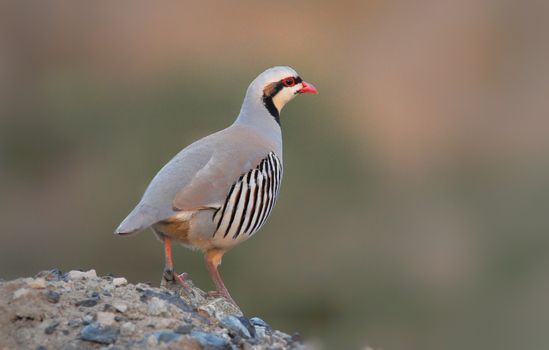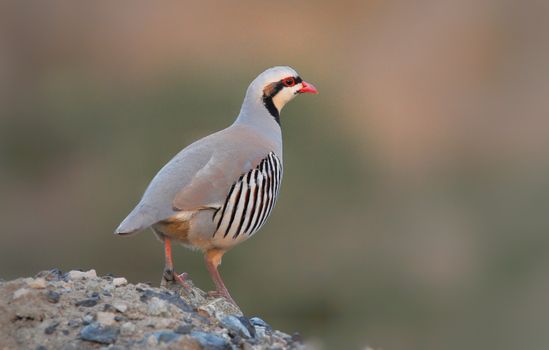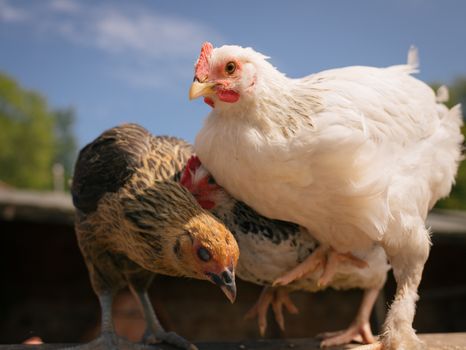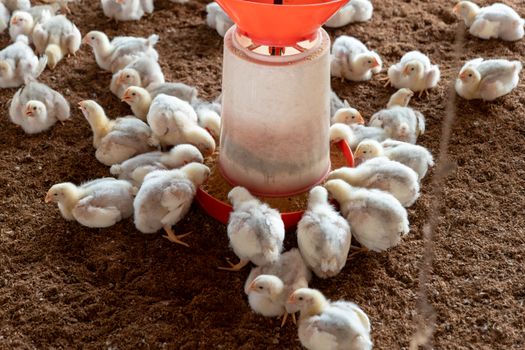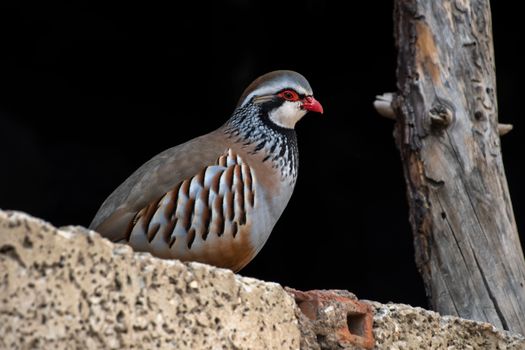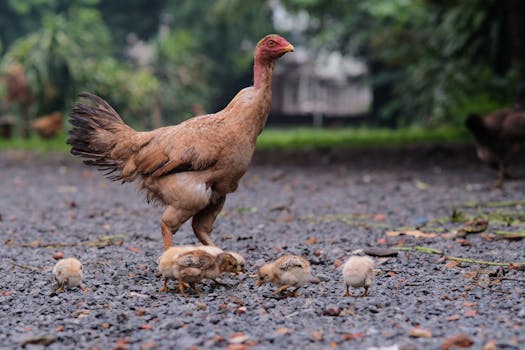
Chukar partridges, known for their striking plumage and adaptability, are increasingly popular among game bird enthusiasts and small-scale farmers alike. One of the most crucial factors in successfully raising healthy, robust chukar chicks is providing them with the right feed at every stage of growth. Just as human infants require different nutrition than teenagers or adults, chukar chicks have specific dietary needs that change dramatically as they develop. Understanding these nutritional shifts and choosing the best feed varieties can make a significant difference in survival rates, growth speed, and overall flock vitality.
Whether you’re a seasoned chukar breeder or a beginner embarking on your first season, this guide delves into the best feed varieties for chukar chicks at various growth stages. We’ll cover what makes each stage unique, the types of feed available, key nutrients to look for, and how tailored nutrition impacts your chicks’ health and development. Plus, we’ll provide a practical comparison table and answer some of the most common questions about chukar chick nutrition.
The Unique Growth Stages of Chukar Chicks: Why Feeding Matters
Chukar chicks progress through several distinct growth phases, each with its own set of nutritional requirements. These can be broadly broken down into:
.png) - Starter stage (0-3 weeks)
- Grower stage (4-8 weeks)
- Finisher stage (9-16 weeks)
- Maintenance or adult stage (16 weeks+)
- Starter stage (0-3 weeks)
- Grower stage (4-8 weeks)
- Finisher stage (9-16 weeks)
- Maintenance or adult stage (16 weeks+)
Each stage is characterized by rapid changes in metabolism, feather development, skeletal growth, and immune system maturity. For instance, during the first three weeks, chukar chicks double in size and begin developing their first set of feathers. This period demands high-protein, energy-rich feeds to support intense growth and minimize mortality risks.
As they mature, their digestive systems become more capable of handling different grains, and their protein needs gradually decrease. Incorrect feeding—whether too much protein or not enough essential vitamins—can result in stunted growth, poor feathering, and even higher susceptibility to disease.
A 2020 survey by the Game Bird Research Foundation found that chukar chick flocks fed with stage-specific diets exhibited 15% higher survival rates and 22% faster average weight gain compared to those fed a generic poultry mix. This underscores the importance of matching feed varieties to each developmental milestone.
Starter Feeds: Launching Chicks on the Right Path (0-3 Weeks)
The first weeks of a chukar chick’s life are the most precarious. During this starter stage, their bodies are rapidly forming muscles, bones, and the beginnings of feather coverage. The ideal starter feed is:
- High in protein (26-28%) - Rich in amino acids, especially methionine and lysine - Fortified with vitamins A, D3, E, and B-complex - Contains easily digestible grainsA crumble texture is preferred, as it’s easy for small chicks to peck and digest. Medicated starter feeds can be considered if coccidiosis is a concern, but always consult with a veterinarian before use.
Top commercial options include Purina Game Bird Startena and Mazuri Game Bird Starter, both formulated specifically for game birds’ unique needs. Homemade blends can also work if they meet the above requirements, such as a mix of finely ground corn, soybean meal, fish meal, and a vitamin premix.
Practical tip: Ensure constant access to clean, fresh water, as dehydration can quickly follow if chicks consume high-protein feeds without enough water.
Grower Feeds: Powering Continued Growth (4-8 Weeks)
Once chukar chicks reach about three weeks, their growth rate remains high, but their protein needs begin to taper slightly. At this stage, the focus shifts to supporting strong bone development and feathering, as well as building a resilient immune system.
Key characteristics of a quality grower feed:
- Moderate protein content (20-22%) - Balanced calcium-to-phosphorus ratio (about 2:1) - Enhanced vitamin and mineral profile, especially vitamin D and calcium for skeletal growth - Crumble or mini-pellet form for easy consumptionDuring this stage, feeds like Nutrena Game Bird Grower or DuMOR Poultry Grower are often recommended. If mixing your own, aim for a blend that includes wheat, corn, soybean meal, and a specialized mineral supplement. Some breeders gradually introduce small amounts of greens or mealworms to provide enrichment and natural foraging stimulation.
It’s important to avoid excessive calcium, as too much can cause kidney damage in young birds. Regularly check feed labels, especially if using layer feeds designed for chickens, which can be too high in calcium for chukar growers.
Finisher Feeds: Preparing for Adulthood (9-16 Weeks)
As chukar chicks approach maturity, their dietary needs shift once more. Growth slows, but muscle and feather development continue. The goal in this phase is to transition towards adult maintenance, ensuring birds reach optimal size and health for breeding, release, or market.
Finisher feeds should provide:
- Lower protein (16-18%) - Adequate energy for sustained activity - Continued but reduced levels of vitamins and minerals - Pellet or whole grain form, depending on bird age and beak strengthPopular commercial finisher feeds include Kent Game Bird Finisher and Manna Pro Gamebird Feed. At this point, many breeders also begin incorporating scratch grains or cracked corn to encourage natural foraging and exercise.
If raising chukars for release into the wild, it’s wise to introduce native seeds or grains gradually, helping the birds adapt to food sources they’ll encounter outside captivity.
Comparing Feed Varieties by Growth Stage
Choosing the right feed at each stage can be confusing, especially with so many options on the market. Here’s a simple table comparing the key features of starter, grower, and finisher feeds for chukar chicks:
| Feed Type | Age Range | Protein % | Form | Key Nutrients | Example Brand |
|---|---|---|---|---|---|
| Starter | 0-3 weeks | 26-28% | Crumble | High amino acids, vitamins A/D/E/B, easily digestible | Purina Startena |
| Grower | 4-8 weeks | 20-22% | Crumble/Mini Pellet | Calcium, phosphorus, vitamins, balanced minerals | Nutrena Grower |
| Finisher | 9-16 weeks | 16-18% | Pellet/Whole Grain | Moderate protein, energy, reduced minerals | Kent Finisher |
This progression ensures chicks receive precisely what they need when they need it most, optimizing survival and flock performance.
Supplemental Feeds and Treats: Enhancing the Chukar Diet
While formulated feeds are the backbone of chukar chick nutrition, supplemental foods can provide enrichment and additional nutrients. Popular supplements include:
- Mealworms or dried insects (excellent protein boost, especially during molts) - Chopped greens (like spinach, lettuce, or dandelion for vitamins and fiber) - Grit (essential for digestion, especially as whole grains are introduced) - Oyster shell or limestone (added for adults, not chicks, to support eggshell formation)It’s vital to introduce any treats or supplements gradually and in moderation, as overfeeding can dilute the balanced nutrition provided by the main feed. According to a 2019 study by the Avian Nutrition Society, flocks given occasional live insect treats demonstrated more natural foraging behaviors and better feather quality.
Always avoid giving chukar chicks foods high in salt, sugar, or fat, as well as avocado, chocolate, or raw beans, which can be toxic.
Transitioning Feeds: How and When to Shift Diets
Smooth feed transitions are essential for chick health. Abrupt changes can cause digestive upset, reduced appetite, and stress. The best approach is a gradual mix: over 4-7 days, blend increasing amounts of the new feed with decreasing amounts of the old.
Key transition tips:
- Watch for signs of digestive distress (diarrhea, lethargy) and slow the transition if needed. - Ensure grit is available as you introduce more complex grains. - Monitor flock weight and growth rates weekly using a small scale. - Provide constant access to fresh water, especially during feed transitions.By the time chukars reach 16 weeks, they can typically be switched to an adult maintenance feed or, if being released, a wild seed mix.
Final Thoughts on Choosing the Best Feed Varieties for Chukar Chicks
Providing the best feed varieties tailored to each growth stage is the single most effective way to ensure your chukar chicks grow into healthy, productive adults. From high-protein starter crumbles to balanced finisher pellets, investing in the right nutrition pays off with higher survival rates, faster growth, and stronger, more vibrant birds.
Remember, chukar chicks are not simply miniature chickens—game birds have their own unique needs. By understanding the science behind growth stages and feed formulation, you’ll be empowered to make informed choices that support your flock’s health and your farming success.