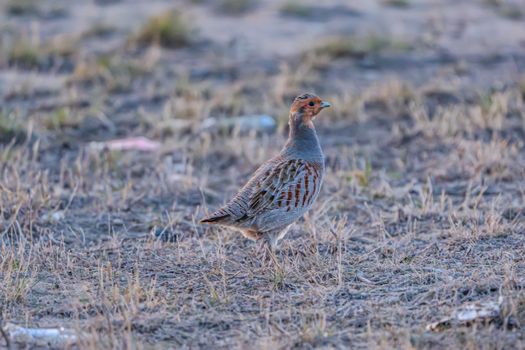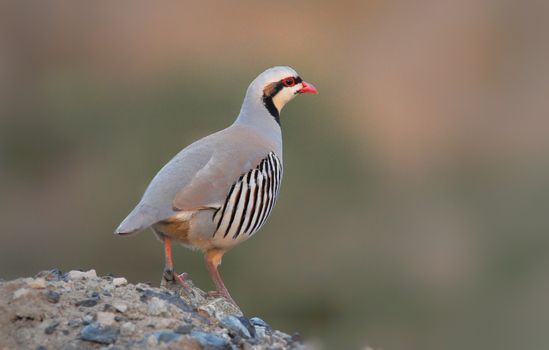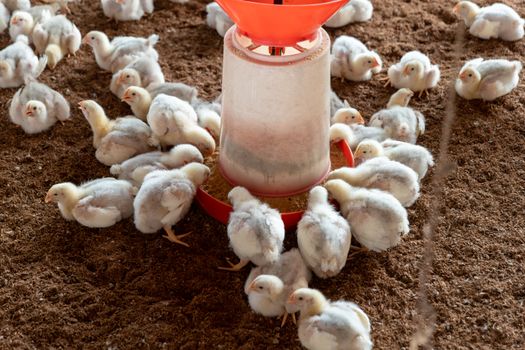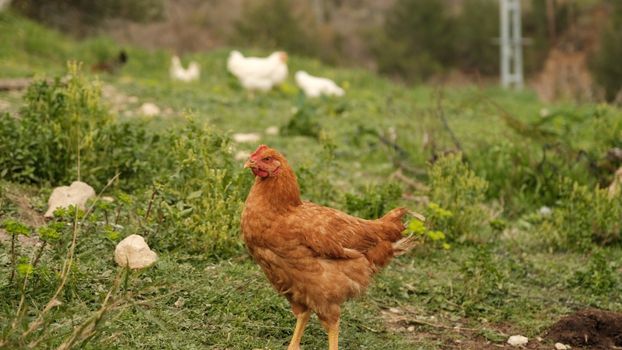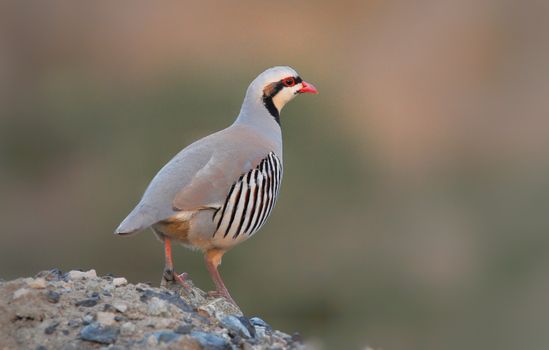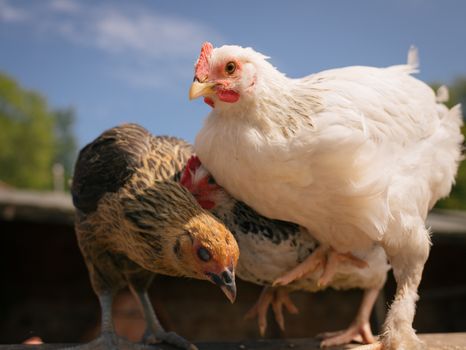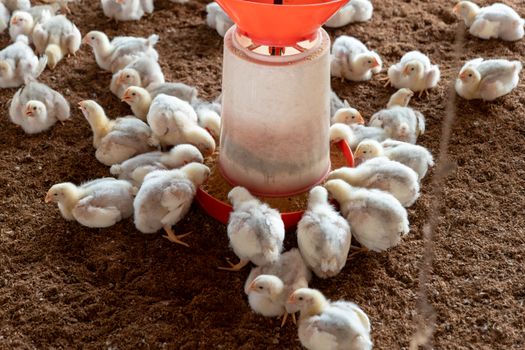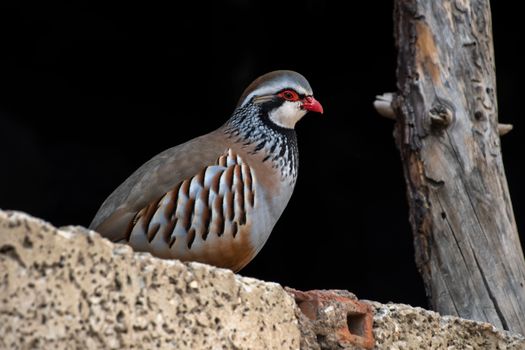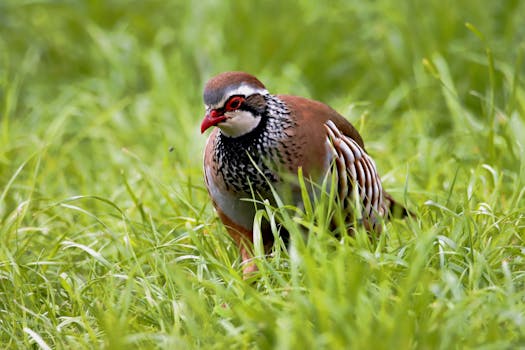
Chukar chickens, also known as Chukar partridges (Alectoris chukar), have become increasingly popular among poultry enthusiasts and farmers due to their adaptability, unique flavor, and economic value. While much attention is given to breeding, feeding, and general care, one critical but often underappreciated aspect of successful Chukar chicken farming is maintenance and hygiene. Proper cleanliness and a well-maintained environment are not just about appearances—they are fundamental for maximizing productivity, preventing disease, and ensuring the welfare of your flock. This article delves into the essential elements of maintenance and hygiene in Chukar chicken farming, providing practical guidance and insights backed by data and real-world examples.
The Role of Hygiene in Chukar Chicken Health and Productivity
Hygiene in poultry farming is directly tied to flock health, growth rates, and profitability. Chukar chickens, while hardy, are susceptible to a range of diseases and parasites that thrive in dirty, unkempt environments. According to a 2022 report by the Food and Agriculture Organization (FAO), farms with rigorous cleaning protocols experienced up to 40% fewer disease outbreaks compared to those with minimal hygiene practices.
Common health issues in poorly maintained environments include:
.png) - Coccidiosis: A parasitic disease causing diarrhea, weight loss, and sometimes death. It spreads rapidly in wet, soiled bedding.
- Respiratory Infections: Ammonia buildup from droppings can irritate the birds' respiratory tracts, leading to reduced growth and increased mortality.
- External Parasites: Lice and mites proliferate in dirty coops, leading to poor plumage and stress.
- Coccidiosis: A parasitic disease causing diarrhea, weight loss, and sometimes death. It spreads rapidly in wet, soiled bedding.
- Respiratory Infections: Ammonia buildup from droppings can irritate the birds' respiratory tracts, leading to reduced growth and increased mortality.
- External Parasites: Lice and mites proliferate in dirty coops, leading to poor plumage and stress.
Regular cleaning, disinfection, and waste management are therefore essential for breaking the cycle of infection, supporting the birds’ immune systems, and enhancing overall productivity. A healthy Chukar flock will exhibit higher egg production, better weight gain, and lower mortality rates.
Daily, Weekly, and Seasonal Maintenance Routines
Efficient maintenance in Chukar chicken farming requires a structured routine. Overlooking even small tasks can have cumulative negative effects on flock health and farm profitability. Below are recommended maintenance schedules:
Daily Tasks: - Remove leftover feed and replace with fresh rations. - Refill waterers with clean water, scrubbing them to remove algae or buildup. - Inspect for sick or injured birds and isolate if necessary. - Spot-clean droppings, especially in high-traffic areas. Weekly Tasks: - Replace bedding material, such as straw or wood shavings, to reduce moisture and odor. - Clean and disinfect feeders, waterers, and perches. - Check ventilation systems and remove any blockages. - Inspect the coop for structural damage or pest entry points. Seasonal Tasks: - Deep-clean housing between flocks or at least twice a year, using approved disinfectants. - Conduct thorough checks for pests such as rodents and wild birds, sealing entry points. - Service heating, cooling, and ventilation equipment in preparation for seasonal temperature changes. - Rotate pasture or run areas (if free-ranging) to prevent overuse and reduce disease buildup.Adhering to this schedule not only ensures a healthy environment but also minimizes labor in the long run by preventing bigger problems before they start.
Critical Areas for Hygiene in Chukar Chicken Housing
Certain aspects of Chukar chicken housing require special attention for effective hygiene and maintenance:
Bedding: - Wet, soiled bedding is a breeding ground for bacteria and parasites. Aim for at least 5-8 cm (2-3 inches) of dry bedding material and replace it weekly or sooner if it becomes damp. - Pine shavings are a popular choice due to their absorbency and odor control. Ventilation: - Proper airflow removes ammonia, moisture, and airborne pathogens. According to poultry science studies, maintaining an ammonia level below 25 ppm (parts per million) is essential for respiratory health. - Install adjustable vents or fans, and avoid drafts directly on the birds. Feed and Water Stations: - Use raised feeders and waterers to prevent contamination from droppings. - Clean equipment regularly; a 2021 study found that farms cleaning waterers daily had 33% lower rates of E. coli contamination. Nesting and Roosting Areas: - Provide clean, dry nesting boxes, and collect eggs at least twice daily to reduce the risk of contamination. - Roosting bars should be easy to clean and checked for droppings build-up. Biosecurity Measures: - Limit visitor access and require footbaths or shoe covers for anyone entering the coop. - Quarantine new birds for at least 14 days before introducing them to the flock.Comparing Hygiene and Maintenance Practices: Traditional vs. Modern Approaches
The evolution of poultry farming has introduced new methods for maintaining cleanliness, some of which offer significant advantages over traditional practices. The table below compares several hygiene and maintenance strategies.
| Practice | Traditional Approach | Modern Approach | Impact on Flock Health |
|---|---|---|---|
| Bedding Management | Occasional replacement, minimal depth | Regular deep bedding, frequent replacement | Modern approach reduces disease risk by 30-40% |
| Disinfection | Annual or as-needed cleaning | Routine use of safe disinfectants, scheduled cleanings | Prevents persistent pathogen buildup |
| Watering Systems | Open pans or buckets, hand-filled | Nipple drinkers, closed systems | Modern systems lower water contamination by 25% (University of Georgia, 2020) |
| Pest Control | Reactive (after infestation) | Proactive monitoring, physical barriers, regular checks | Proactive measures reduce infestation incidents by half |
This comparison highlights how adopting modern maintenance and hygiene practices can lead to healthier birds, less labor, and higher yields.
Water Quality and Waste Management: Two Overlooked Essentials
While feeding and shelter receive a lot of attention, water quality and waste management are two critical yet often overlooked factors in Chukar chicken farming.
Water Quality: - Chukar chickens require 100-150 ml of clean water per bird per day. - Contaminated water is a leading cause of disease. A survey by the International Journal of Poultry Science (2021) found that farms with filtered or treated water had 50% fewer digestive issues. - Use water test kits to monitor microbial contamination, pH, and mineral content. Waterers should be protected from droppings and direct sunlight to minimize algae growth. Waste Management: - A single Chukar chicken produces around 60 grams of manure daily. For a flock of 100, this amounts to 2.1 tons per year. - Accumulated waste can attract flies, rodents, and pathogens. - Install manure trays under perches for easy removal, and compost waste in a designated area away from the coop. - Proper manure management not only keeps the environment clean but also provides valuable fertilizer for crops.Long-Term Benefits of Investing in Maintenance and Hygiene
Committing to high standards of cleanliness and maintenance in Chukar chicken farming yields significant long-term rewards:
- Disease Prevention: Regular cleaning and disinfection can reduce flock mortality by up to 20%, according to the USDA National Poultry Improvement Plan. - Increased Productivity: Healthy birds lay more eggs and reach market weight faster, boosting farm income. - Cost Savings: Preventing disease and infestations means less spent on veterinary bills and medications. - Consumer Confidence: If selling eggs or meat, clean facilities and healthy birds are key to building customer trust and meeting regulatory standards.Case Example: A commercial Chukar farm in California reported a 15% increase in egg production and a 25% decrease in mortality after upgrading their maintenance protocols, highlighting the tangible benefits of these practices.
Final Thoughts on Maintenance and Hygiene in Chukar Chicken Farming
The importance of maintenance and hygiene in Chukar chicken farming cannot be overstated. Cleanliness is not just a matter of aesthetics; it is the foundation for disease prevention, animal welfare, and economic success. By establishing daily, weekly, and seasonal routines, focusing on critical areas like water, bedding, and waste management, and investing in modern equipment and biosecurity, farmers can ensure robust, productive flocks year-round.
In a field where small oversights can lead to significant setbacks, making maintenance and hygiene a top priority is the smartest investment any Chukar chicken farmer can make.