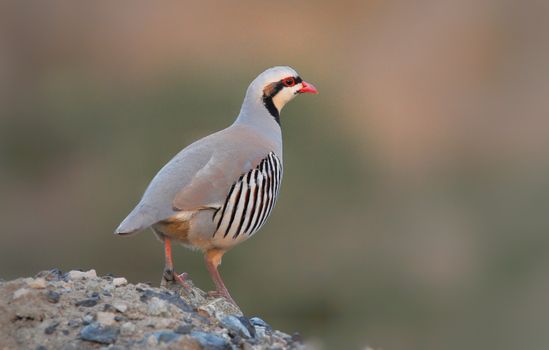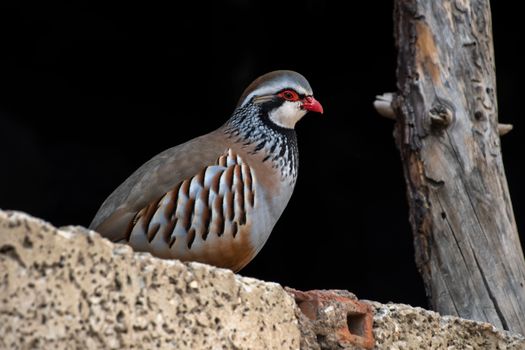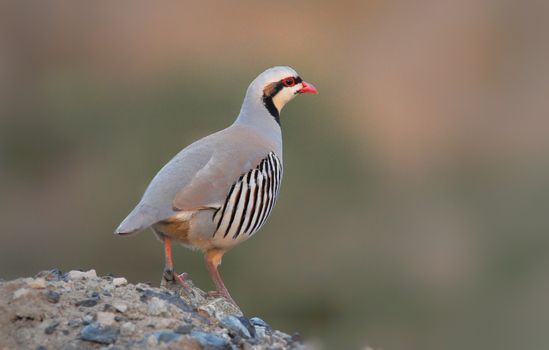
Chukar partridges (Alectoris chukar) are hardy, adaptable game birds prized for their beauty, distinctive call, and ease of management. Whether kept for sport, meat, or as ornamental birds, chukars are generally robust, but they are not immune to health problems. For keepers, breeders, and enthusiasts, understanding common diseases, early warning signs, and appropriate treatments is crucial for maintaining a healthy flock and preventing devastating losses. This article explores the most prevalent health problems of chukar partridges, how to spot them, and effective treatment and prevention strategies.
Understanding the Unique Health Challenges of Chukar Partridges
Chukar partridges originate from the rocky hillsides of South Asia and Eurasia, where they evolved to withstand harsh conditions. Despite their resilience, domesticated flocks may face health threats not encountered in the wild, often due to confinement, higher population densities, and exposure to new pathogens. According to a 2019 survey by the American Gamebird Breeders Association, respiratory and digestive diseases account for nearly 75% of reported health issues in captive chukars.
Unlike chickens or quail, chukars show subtle signs of illness and can deteriorate quickly. Their stoic nature makes early identification challenging, so vigilance is key. Stress, poor nutrition, overcrowding, and inadequate sanitation are the leading causes of disease outbreaks. Understanding these risk factors is the first step in prevention and rapid response.
.png)
Common Infectious Diseases Affecting Chukar Partridges
Several infectious diseases threaten chukar partridges, some of which can cause rapid mortality if untreated. The most notable include:
1. Coccidiosis: Caused by Eimeria spp. protozoa, coccidiosis is the most common parasitic disease in chukars. It spreads through fecal contamination and thrives in damp, dirty environments. Infected birds show lethargy, diarrhea (often bloody), weight loss, and ruffled feathers. According to a 2021 study in the Journal of Avian Medicine, coccidiosis can reduce survival rates in young chukars by up to 30% if left untreated. 2. Newcastle Disease: This highly contagious viral disease affects the respiratory, digestive, and nervous systems. Symptoms in chukars include sneezing, nasal discharge, twisted necks, and sudden death. Outbreaks can devastate entire flocks, with mortality rates exceeding 90% in severe cases. 3. Salmonellosis: Caused by various Salmonella bacteria, this disease leads to diarrhea, dehydration, and sometimes joint swelling. Chukar chicks are particularly susceptible and may die within days of infection. 4. Aspergillosis: This fungal disease is caused by Aspergillus spores in moldy bedding or feed. It primarily affects the respiratory system, causing labored breathing, gasping, and weight loss. While less contagious, aspergillosis can wipe out young or immunocompromised birds.Early detection and prompt isolation of sick birds are essential for controlling the spread of infectious diseases. Prophylactic vaccinations (where available), strict biosecurity, and regular cleaning play a critical role in prevention.
Non-Infectious Health Issues: Nutrition, Environment, and Injuries
Not all health problems in chukar partridges are caused by pathogens. Non-infectious issues can be equally deadly if not addressed:
- Nutritional Deficiencies: Chukars require a diet high in protein (24-28% for chicks, 18-20% for adults) and balanced vitamins and minerals. Deficiencies in vitamin E, selenium, or calcium can lead to weak legs, poor growth, or soft-shelled eggs. In a 2022 survey, 18% of chukar mortality in small flocks was linked to poor nutrition. - Heat Stress: Chukars are adapted to dry climates, but excessive heat, especially if combined with high humidity, can cause panting, drooping wings, or sudden collapse. - Injuries: Aggressive pecking, sharp objects, or wire flooring can cause wounds, broken legs, or eye injuries. Even minor wounds can become infected if not treated promptly. - Egg Binding: Laying hens may suffer from egg binding, a life-threatening condition where an egg becomes stuck in the reproductive tract. Signs include straining, swollen abdomen, and lethargy.By providing balanced nutrition, maintaining safe enclosures, and minimizing stress, many non-infectious problems can be prevented.
How to Identify Illness in Chukar Partridges: Signs to Watch For
Early detection is the most effective way to reduce losses from disease. Because chukars are prey species, they instinctively hide symptoms until illness is advanced. Daily observation is crucial. Key warning signs include:
- Changes in Behavior: Lethargy, reluctance to move, isolation from the flock, or excessive sleepiness. - Physical Appearance: Ruffled feathers, drooping wings, sunken eyes, or swollen body parts. - Eating and Drinking: Reduced appetite, refusal to eat, or excessive drinking. - Droppings: Watery, bloody, or unusually colored feces signal digestive problems. - Breathing: Coughing, sneezing, nasal discharge, open-mouth breathing, or wheezing.Keepers should also conduct regular health checks, inspecting eyes, nostrils, vent, and legs for abnormalities. Sudden deaths or rapid spread of symptoms require immediate veterinary attention.
Treatment Options: Medications, Supportive Care, and Prevention
Successfully treating chukar partridge diseases requires a combination of targeted medications and supportive care. Some conditions respond well to over-the-counter treatments, while others need veterinary intervention.
- Coccidiosis: Treat with medicated feed or water-soluble anticoccidial drugs such as amprolium or sulfaquinoxaline. Clean and disinfect housing thoroughly. - Newcastle Disease: No cure exists. Immediate culling and strict quarantine are necessary. Vaccination is the best preventative measure in endemic areas. - Salmonellosis: Antibiotics prescribed by a vet may help, but prevention through sanitation is most effective. - Aspergillosis: Remove and destroy moldy bedding. Antifungal medications can be administered, but prognosis is poor in severe cases. For non-infectious problems: - Correct nutritional imbalances with species-specific feed and supplements. - Treat wounds with antiseptics and keep injured birds isolated until healed. - For egg binding, warm baths and gentle abdominal massages may help, but veterinary care is often needed. Preventive measures are the foundation of flock health. These include: - Quarantining new or returning birds for at least 14 days. - Maintaining dry, clean housing and rotating pasture where possible. - Cleaning feeders and waterers daily. - Avoiding overcrowding (no more than 5-6 adult chukars per square meter). - Regularly inspecting for signs of mold, pests, or sharp objects.