Raising Chukar Chickens at Home: How to Do It Effectively
Chukar chickens, also known as Chukar partridges (Alectoris chukar), are captivating game birds admired for their striking appearance and adaptability. Once native to the rocky hillsides of Eurasia, these birds have steadily found their way into the backyards of bird enthusiasts and small-scale poultry keepers across the world. Whether you’re interested in chukar chickens for their unique personalities, delicious eggs, or their value as training birds for hunting dogs, raising them at home can be a rewarding venture. However, their needs differ from those of more commonly kept chickens or quail, making it essential to understand their care requirements for success. This comprehensive guide explores everything you need to know to effectively raise chukar chickens at home, from habitat setup to nutrition, health management, and the benefits these fascinating birds can bring to your household.
The Unique Appeal of Chukar Chickens for Home Flocks
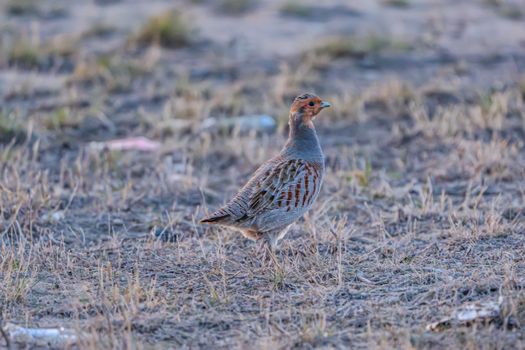
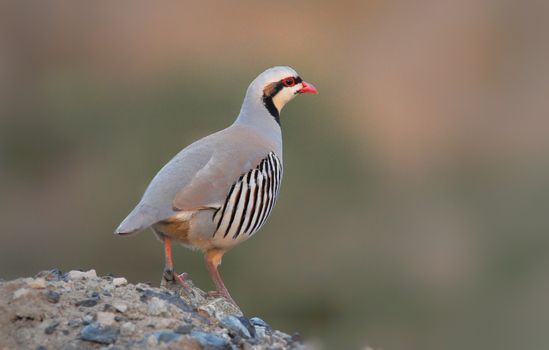
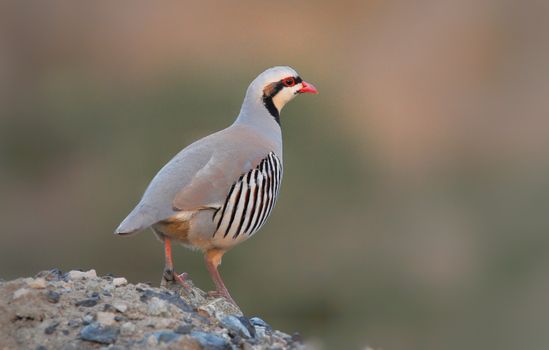
Chukar chickens are not your average backyard poultry. Unlike traditional chickens or even quail, chukars offer a rare combination of hardiness, visual appeal, and versatility. Their distinctive black band across the eyes and throat, complemented by slate-gray backs and barred flanks, make them a beautiful addition to any aviary.
One of the main reasons people choose to raise chukar chickens at home is their adaptability. These birds can thrive in a range of climates, from arid deserts to temperate backyard setups, provided their housing is suitable. Additionally, chukars mature quickly—often reaching full adult size in just 16 weeks—and begin laying eggs as early as 24 weeks of age.
.png)
Their eggs are slightly smaller than those of standard chickens but are highly sought after for their rich flavor and unique speckled appearance. Chukar eggs can be used in gourmet cooking or as a niche product for local markets. Furthermore, chukars are quiet compared to many poultry species, making them ideal for suburban settings where noise could be an issue.
Creating the Ideal Habitat: Space, Shelter, and Security
The foundation of effective chukar chicken husbandry lies in providing a habitat that meets their natural behaviors while protecting them from predators and environmental stress. Unlike chickens that may tolerate confinement, chukars are active and agile birds that require more horizontal flight space.
For a small home flock, each chukar should have at least 2-3 square feet of floor space in a pen or aviary. Height is equally important—pens should be at least 6 feet tall to prevent head injuries from the birds’ instinctive upward flight responses. Wire mesh (no larger than 1-inch openings) is recommended for both walls and ceilings to keep out predators such as raccoons, snakes, and neighborhood cats.
Chukars are sensitive to dampness and drafts. Their shelter should be dry and well-ventilated but free from direct wind. Incorporate sand or fine gravel as flooring, which closely mimics their natural environment and aids in keeping their feet healthy. Provide low perches and hiding areas with rocks or brush piles to reduce stress and encourage natural behaviors.
When designing the habitat, consider the following comparative overview:
| Feature | Chukar Chickens | Standard Chickens | Japanese Quail |
|---|---|---|---|
| Minimum Space per Bird | 2-3 sq ft | 2 sq ft | 1 sq ft |
| Pen Height | 6 ft | 4 ft | 1.5 ft |
| Noise Level | Low | Medium-High | Low |
| Predator Protection | Essential | Important | Important |
| Flight Ability | Strong | Limited | Moderate |
This comparison highlights that chukars need a slightly different setup than typical backyard poultry to ensure their well-being.
Nutrition and Feeding Strategies for Healthy Growth
Feeding chukar chickens properly is crucial for their development, egg production, and overall health. Chukars require a higher protein diet compared to standard chickens, especially during the first weeks of life. For chicks, a starter feed with 26-28% protein is recommended for the first 6 weeks. Afterward, transition them to a grower feed with 20-22% protein until they reach maturity.
Once adult, chukars do well on a game bird maintenance feed with 16-18% protein. Supplement the diet with small amounts of fresh greens, millet, and grit to aid digestion. Avoid feeding them standard chicken layer feed, as the calcium content can be too high and may cause kidney issues in chukars.
Clean, fresh water must always be available. Waterers should be designed to prevent spilling and contamination, as chukars are prone to wetting their surroundings if given open dishes. Specialized game bird waterers or nipple drinkers are ideal for minimizing mess.
Nutritional Fact: A laying chukar hen can produce up to 50-80 eggs per year if given optimal nutrition and care, making them a productive choice for small-scale egg production.
Managing Health and Preventing Common Problems
Like all poultry, chukar chickens are susceptible to certain health challenges, but with proactive management, most issues can be avoided. Key areas to focus on include:
1. Cleanliness: Regularly remove droppings and replace bedding to minimize the risk of coccidiosis and respiratory infections. Sand or gravel floors simplify cleaning and reduce parasite loads. 2. Parasite Prevention: Chukars can suffer from external parasites such as mites and lice, especially in densely populated pens. Inspect birds weekly and apply poultry-safe dust treatments as needed. 3. Vaccination: While chukars are generally robust, they can benefit from vaccinations against diseases like Newcastle disease and infectious bronchitis if these are present in your region. 4. Observation: Chukars are naturally wary, so monitor for signs of illness such as lethargy, ruffled feathers, or reduced appetite. Early intervention is key—consult with an avian veterinarian familiar with game birds for diagnosis and treatment.Statistical Insight: According to research published in the Journal of Applied Poultry Research, chukar partridges have a survival rate of over 90% from hatch to 12 weeks when raised under optimal conditions, compared to less than 70% in poor environments.
Breeding and Reproduction: Tips for Home Enthusiasts
If your goal is to sustain a self-sufficient flock or expand your chukar population, understanding their breeding behavior is essential. Chukars generally form monogamous pairs during the breeding season, which typically runs from late April through July in most regions.
Mature hens lay clutches of 8-15 eggs, which hatch after an incubation period of 23-25 days. While chukar hens can incubate their own eggs, many home breeders use small incubators for greater control and higher hatch rates. Maintain the incubator at 99.5°F (37.5°C) with 50-55% humidity, increasing humidity to 65% just before hatching.
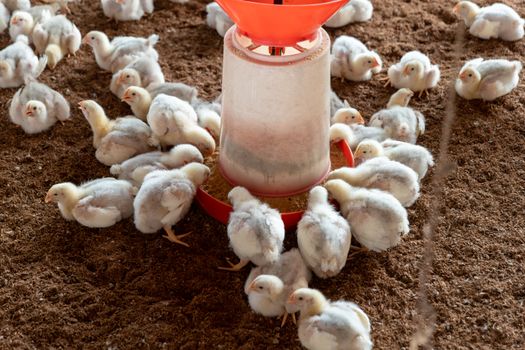
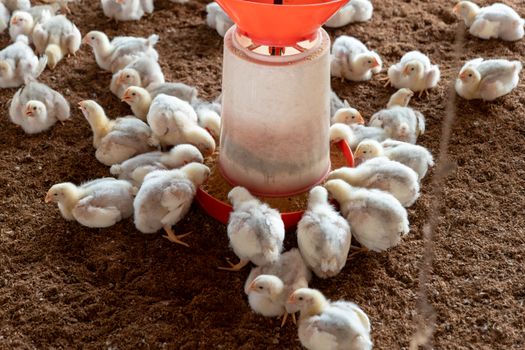
Chukar chicks, known as cheepers, are highly active and prone to piling—a behavior where they cluster and potentially suffocate. Providing ample brooder space, consistent heat (95°F for the first week, decreasing by 5°F weekly), and visual barriers reduces this risk.
Interesting Fact: Unlike chickens, chukar chicks are precocial—they can walk, feed, and drink within hours of hatching, making them relatively easy to manage if their environment is properly set up.
The Benefits of Raising Chukar Chickens at Home
Beyond their beauty and productivity, chukar chickens offer several unique benefits for home raisers:
1. Low Odor and Noise: Chukars produce less odor and noise than chickens or ducks, making them suitable for urban and suburban areas. 2. Pest Control: Chukars naturally forage for insects and weed seeds, contributing to pest management in gardens. 3. Unique Culinary Experience: Chukar meat is considered a delicacy in many cultures, known for its mild, slightly gamey flavor. Their eggs, with a rich yolk and delicate shell, are prized by home chefs. 4. Educational Value: Raising chukars provides an excellent opportunity for families to learn about avian biology, responsibility, and sustainable food sources. 5. Biodiversity: By keeping chukars, home poultry enthusiasts contribute to the preservation and appreciation of less common bird species.According to the U.S. Department of Agriculture, the number of small-scale game bird keepers—including chukar chicken raisers—has increased by 18% over the past decade, reflecting growing interest in alternative poultry.
Final Thoughts on Successfully Raising Chukar Chickens at Home
Raising chukar chickens at home can be a deeply fulfilling endeavor, whether your goal is to enjoy their striking presence, harvest unique eggs, or contribute to backyard biodiversity. While they do require more specialized care than traditional chickens, chukars reward attentive owners with their resilience, productivity, and charm. By understanding their habitat needs, nutritional requirements, health management, and breeding tendencies, you can create a thriving home flock that is both sustainable and enjoyable. For those willing to invest the time and research, chukar chickens are a standout choice for home poultry keeping.