Understanding the Art of Training Hunting Dogs with Birds
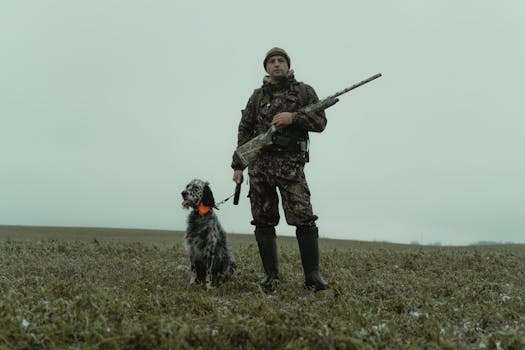
Training hunting dogs with birds is an intricate process that requires a deep understanding of canine behavior, a strategic approach, and a passion for outdoor activities. This guide provides a comprehensive look into the techniques and principles essential for effectively training hunting dogs, making it accessible to both beginners and experienced trainers.
Selecting the Right Breed
.png)
The journey begins with choosing the appropriate breed. Popular choices include the Labrador Retriever, German Shorthaired Pointer, and English Springer Spaniel, known for their keen hunting instincts and quick learning capabilities. However, the success of training extends beyond breed; it's crucial to consider the individual dog's temperament and learning style.
Early Bird Exposure
Introducing the dog to birds at a young age is fundamental. Early exposure stimulates a natural curiosity and excitement towards birds, paving the way for future training. Starting with feathers and bird wings, and progressively introducing live birds, sets a solid foundation for the dog's hunting instincts.
Emphasis on Obedience
Obedience is the cornerstone of hunting dog training. Essential commands like sit, stay, come, and heel must be mastered to maintain control in various hunting scenarios. Training should be consistent and positive, fostering a strong bond and mutual respect between the dog and the trainer.
Field Training Techniques
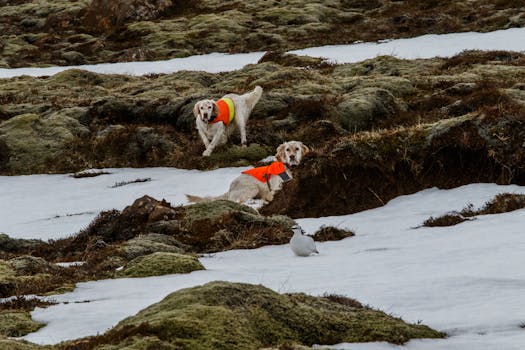
Field training is where the dog learns specific hunting skills such as searching, flushing, and retrieving birds. Controlled environments are ideal for teaching these techniques. Key skills include:
- Quartering: Teaching the dog to cover ground efficiently in a search pattern.
- Marking: Training the dog to observe where a bird falls and recall the location.
Developing a Soft Mouth
An essential skill for a hunting dog is to develop a soft mouth—the ability to retrieve and carry birds gently without causing damage. This skill is cultivated through repetitive training with dummies, followed by gradual introduction to handling real birds.
The Importance of Patience and Consistency
Patience and consistency are vital throughout the training process. Keeping sessions short and engaging ensures the dog remains interested and motivated. Introducing varied exercises helps prevent boredom and prepares the dog for different hunting situations.
Physical Conditioning
A hunting dog’s physical fitness is as important as its training. Incorporating activities like swimming, running, and agility exercises enhances the dog’s endurance and strength, critical for performance in the field.
Commitment to Continuous Learning
Training a hunting dog is a long-term endeavor that requires ongoing commitment and adaptation. Both the dog and trainer should engage in continuous learning and regular practice to refine the skills necessary for successful hunting.
Conclusion
Training hunting dogs with birds is not just about teaching skills but also about fostering a profound connection with the natural world. By understanding the dog's instincts, maintaining a consistent training regimen, and nurturing physical and mental growth, trainers can cultivate a proficient hunting companion. Whether you are just starting or looking to enhance your methods, the journey of training a hunting dog offers a rewarding experience that strengthens the bond between you and your canine partner.