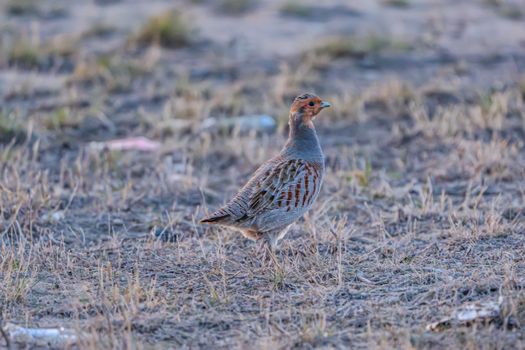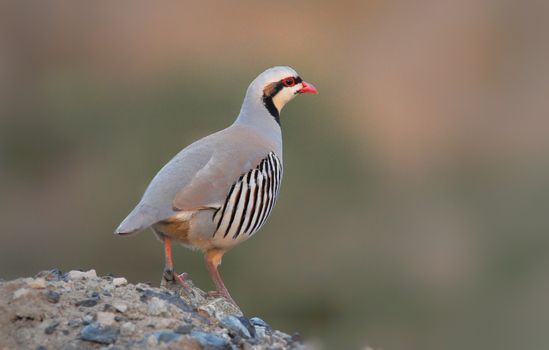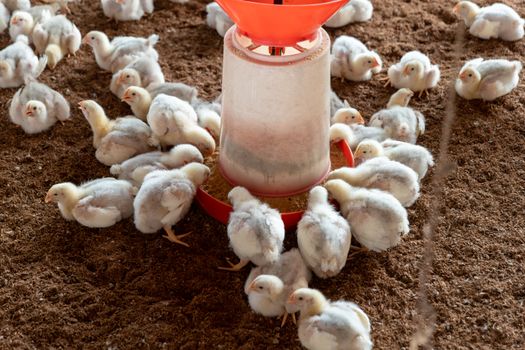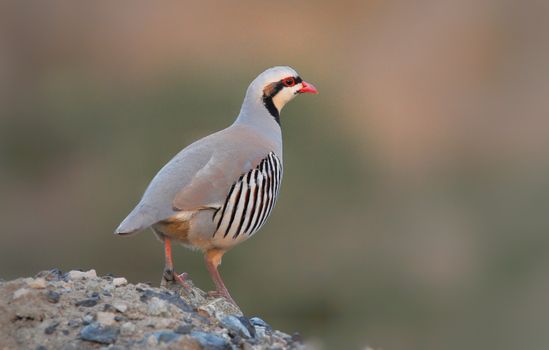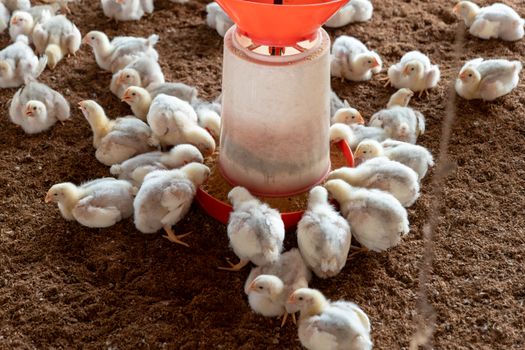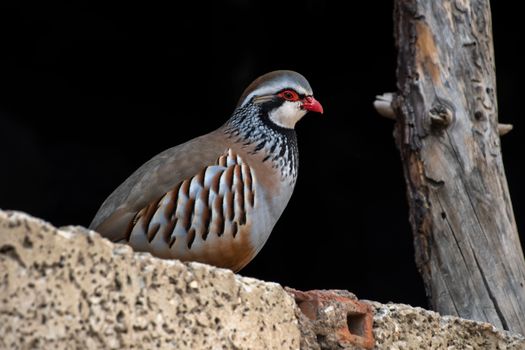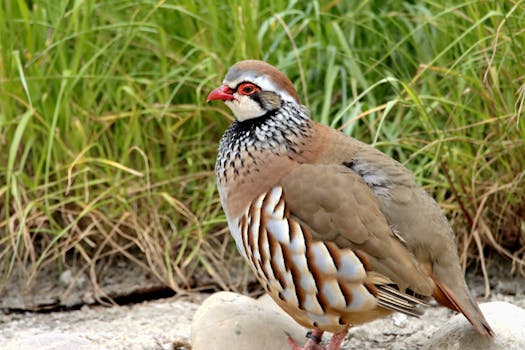
Chukar partridges (Alectoris chukar) have become increasingly popular among commercial bird farmers over the past decade, thanks to their adaptability, high reproductive rates, and strong demand for both meat and game bird purposes. While many articles focus on breed selection, basic maintenance, or breeding techniques, few provide a comprehensive guide on how to properly raise chukar partridges specifically for commercial-scale operations. In this article, we'll explore the core strategies, logistical considerations, and best practices you need to know to successfully raise chukar partridges for market, whether your goal is supplying restaurants, game preserves, or specialty food markets.
Understanding Chukar Partridge Commercial Potential
The chukar partridge has carved out a niche in the commercial poultry sector, largely due to its unique characteristics. Native to Eurasia, these birds are renowned for their hardiness, rapid growth, and efficient feed conversion ratios. According to the Food and Agriculture Organization (FAO), global demand for game birds like the chukar has increased by an average of 5.8% annually between 2015 and 2022, driven by both culinary interest and hunting preserves.
One of the main attractions for commercial farmers is the chukar's ability to reach market weight—typically between 18 and 21 ounces—in just 16 to 20 weeks. Additionally, compared to quail or pheasant, chukars are less susceptible to certain diseases, making them a lower-risk investment.
.png)
Their eggs also command a premium price, especially in gourmet markets. In the United States, farm-gate prices for chukar meat can range from $4 to $7 per bird, while hatching eggs may sell for $1.50 to $2.50 each. This economic potential sets the stage for a profitable enterprise, provided you follow the correct management protocols.
Facilities and Equipment: Setting Up for Scale
When raising chukar partridges commercially, infrastructure plays a pivotal role in determining success. Unlike backyard setups, commercial operations must prioritize biosecurity, efficient workflow, and scalability.
Space Requirements: Industry recommendations suggest a minimum stocking density of 2 to 2.5 square feet per adult bird in indoor facilities, and at least 10 square feet per bird in outdoor flight pens to avoid overcrowding and associated stress-related behaviors.
Ventilation and Climate Control: Chukars are tolerant of a wide temperature range, but commercial buildings should maintain temperatures between 55°F and 75°F for optimal growth. Proper ventilation reduces ammonia buildup and respiratory illness, which, according to a 2020 USDA report, can reduce mortality by up to 30% in well-managed facilities.
Caging Systems: While traditional ground pens are still used, many commercial producers now employ tiered cage systems for chicks and juveniles. Automated feeding and watering systems are crucial for labor efficiency and uniform bird growth.
Feed and Water Delivery: Commercial-grade hoppers and nipple drinkers help minimize waste and contamination. Clean, fresh water should be continuously available, as dehydration can stunt growth rates by up to 20%.
Biosecurity: Entryways should include boot dips and hand sanitizing stations. A designated area for quarantine of new stock is essential to prevent disease outbreaks.
Below is a comparison of key facility elements for small-scale versus commercial chukar partridge operations:
| Aspect | Small-Scale Setup | Commercial Setup |
|---|---|---|
| Stocking Density | 1.5-2 sq ft/bird | 2-2.5 sq ft/bird (indoors), 10 sq ft/bird (outdoors) |
| Feeding System | Manual troughs | Automated hoppers |
| Watering System | Bowl or trough | Nipple drinkers |
| Biosecurity | Basic cleaning | Designated entry protocols, quarantine areas |
| Climate Control | Natural ventilation | Automated fans, temperature sensors |
Nutrition and Growth Optimization
Maximizing growth and minimizing feed costs are central to commercial chukar farming. Chukars require a protein-rich diet, especially during their first eight weeks. A starter feed with 26-28% protein content is recommended for chicks, transitioning to a grower feed with 20-22% protein after eight weeks. Calcium, phosphorus, and trace minerals are vital to prevent bone deformities and ensure strong eggshells.
According to a 2019 study by the University of Missouri, feed conversion ratios (FCR) in chukars can be as low as 2.5:1 (2.5 pounds of feed per pound of live weight), which is comparable to broiler chickens. However, overfeeding or poor feed quality can quickly erode margins.
Key feeding tips for commercial chukar production:
- Use crumbled or pelleted feeds to minimize waste. - Supplement with grit to aid digestion, especially if birds are housed indoors. - Provide vitamin and mineral supplements during breeding and molting seasons. - Monitor weight gains weekly to adjust feed rations accordingly.On average, feed accounts for 60-65% of total production costs in chukar farming, so optimizing your nutrition program directly impacts profitability.
Managing Health and Reducing Mortality
Disease outbreaks can devastate a commercial flock, so proactive health management is essential. While chukars are generally robust, they are susceptible to certain conditions, especially when reared at high densities.
Common Health Challenges:
- Coccidiosis: This intestinal parasite can cause rapid mortality in chicks. Routine use of medicated starter feed or coccidiostats is recommended. - Respiratory Infections: Dust, poor ventilation, or overcrowding can lead to chronic respiratory disease. Maintain humidity below 60% and clean litter regularly. - External Parasites: Mites and lice can infest flocks, particularly in outdoor pens. Use approved insecticidal sprays as needed.Vaccinations: There are no chukar-specific vaccines, but some producers use quail or pheasant vaccines off-label, particularly for Newcastle disease.
Mortality Benchmarks: Well-managed commercial operations report first-year mortality rates between 7% and 12%, which is significantly lower than backyard flocks. Early detection and immediate isolation of sick birds are critical.
Recordkeeping: Maintain detailed health records for each flock, noting any treatments, mortalities, and observed symptoms. This information can help identify recurring issues and track intervention success.
Scaling Up: Labor, Marketing, and Regulatory Compliance
Transitioning from hobbyist to commercial chukar production involves more than just increasing bird numbers. Labor management, marketing, and legal compliance become increasingly important as your business grows.
Labor Efficiency: Automated systems for feeding, watering, and egg collection can reduce labor requirements by up to 40%, according to a 2021 industry survey. One full-time worker can manage up to 2,000 birds with the right equipment.
Processing and Packaging: If selling meat, you’ll need access to a licensed processing facility. Some states require birds to be processed under USDA inspection, while others allow custom-exempt processing for local markets.
Market Channels: Identify your primary market—restaurants, game preserves, specialty grocers, or direct-to-consumer. Each channel has different requirements for product size, packaging, and delivery.
Regulatory Compliance: Commercial operations must adhere to animal welfare, waste management, and health regulations. Local zoning laws may restrict the number of birds or facility size. Join relevant industry associations, such as the North American Gamebird Association, for up-to-date regulatory guidance.
Best Practices for Sustainable and Profitable Chukar Farming
Long-term success in commercial chukar production depends on both operational efficiency and environmental stewardship. Here are some best practices adopted by successful producers:
- Rotate outdoor pens to prevent soil buildup of pathogens. - Compost litter to reduce waste and create a valuable byproduct for sale or use. - Implement integrated pest management (IPM) to control rodents and insects with minimal chemical use. - Utilize renewable energy sources (such as solar panels) for climate control systems to reduce operating costs. - Network with local chefs, hunting clubs, and specialty retailers to secure repeat customers and premium pricing.Case studies show that farms adopting sustainability measures can reduce input costs by 10-15% while attracting eco-conscious buyers willing to pay higher prices.
Final Thoughts on Commercial Chukar Partridge Rearing
Raising chukar partridges for commercial purposes requires more than just basic poultry knowledge—it’s a specialized enterprise that blends animal husbandry, business management, and market savvy. By building solid infrastructure, optimizing nutrition, maintaining strict biosecurity, and targeting the right markets, producers can tap into the growing demand for these versatile birds. With mortality rates as low as 7% in well-run operations, and market prices holding steady or rising, the commercial chukar industry offers significant opportunities for committed entrepreneurs.