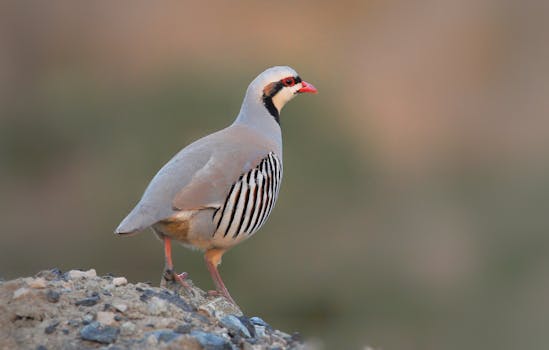
Raising chukar chicks is a delightful and fulfilling endeavor that demands specific care and attention. Chukar partridges, known for their robustness and distinctive appearance, are favored not only by game bird enthusiasts but also by those involved in ornamental bird keeping and small-scale farming. The key to nurturing healthy chukar chicks lies in meticulous management of their environment, diet, and overall health from the moment they hatch.
Optimal Environment
Creating a suitable environment is paramount for the survival and health of chukar chicks. Initially, maintaining the brooding area at a warm temperature of about 95 degrees Fahrenheit during the first week of life is essential, with a gradual decrease of about 5 degrees each week thereafter. This careful temperature management helps prevent the chicks from experiencing thermal stress.
.png)
Humidity and ventilation are equally crucial. A humidity level of 50-60% is ideal, as it prevents respiratory issues and dehydration. Proper ventilation ensures fresh air circulation while avoiding drafts, which could potentially chill the vulnerable chicks.
Bedding and Cleanliness
Choosing the right bedding material contributes significantly to the chicks' health. Pine shavings are recommended due to their absorbency and low dust, which helps maintain clean air and reduces the risk of respiratory problems. It's vital to steer clear of cedar shavings, which can be toxic to young birds. Regularly changing the bedding prevents the accumulation of waste and bacteria, further safeguarding the chicks from disease.
Nutrition and Hydration
Feeding chukar chicks involves providing a balanced diet suitable for their growth stage. Initially, a high-quality starter feed designed for game birds is necessary, as it includes the appropriate amounts of protein, vitamins, and minerals. As the chicks grow, transitioning them to a grower feed around six weeks of age is important for their continued development.
Continuous access to fresh, clean water is crucial. The water containers used should be shallow to prevent drowning and must be cleaned daily to prevent the spread of disease.
Health Monitoring and Socialization
Regular health checks are essential to identify and address any signs of distress, illness, or abnormal behavior early. Observing the chicks for changes in activity levels, appetite, and physical appearance helps in early detection of potential health issues.
Socialization plays a critical role in the development of chukar chicks. Raising them in groups helps them learn vital social behaviors and establish a natural pecking order. However, it's important to monitor their interactions closely to prevent bullying, which can lead to stress and injuries.
Conclusion
Proper care for chukar chicks involves a holistic approach that includes a well-maintained living environment, appropriate nutrition, vigilant health care, and opportunities for natural social interactions. By adhering to these care guidelines, you can ensure the development of healthy, vigorous chukar partridges. Whether you're an experienced bird breeder or a novice, the journey of raising chukar chicks offers a rewarding experience filled with learning and satisfaction.