The Impact of Climate on the Health and Growth of Chukar Chickens: What You Need to Know
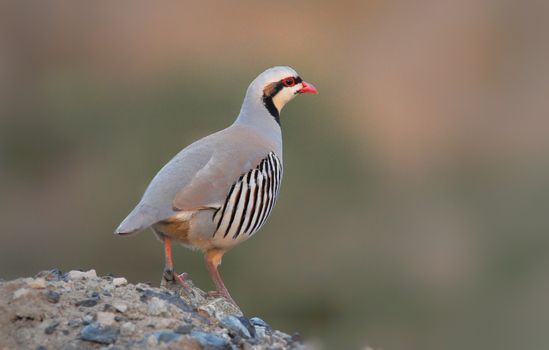
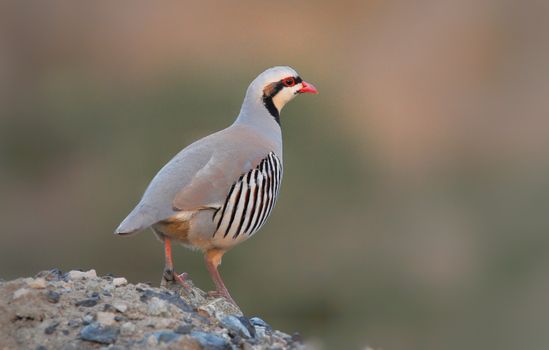
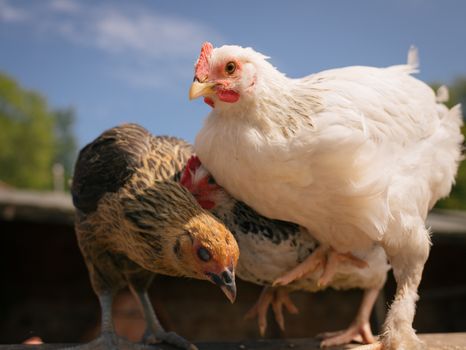
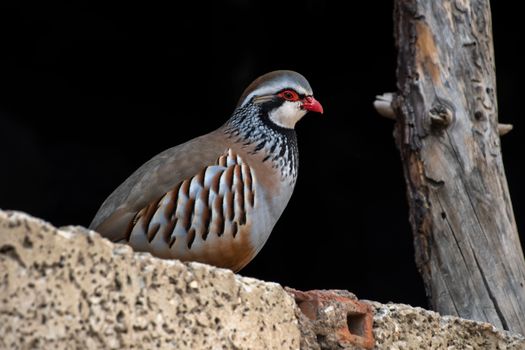
Chukar chickens, also known as Chukar partridges (Alectoris chukar), are hardy, attractive birds increasingly popular with small-scale farmers and backyard poultry keepers. Native to the rocky hillsides of Eurasia and the Middle East, these birds have adapted to a wide range of natural habitats. However, as chukar farming spreads across diverse regions, from arid plains to cooler climates, understanding the role of climate becomes crucial for their health, productivity, and welfare. This article explores how temperature, humidity, seasonal changes, and extreme weather events influence the growth and well-being of chukar chickens, providing practical guidance for enthusiasts and farmers aiming for robust, thriving flocks.
Understanding Chukar Chickens’ Natural Climate Preferences
Chukar chickens originate from regions with hot, dry summers and cold, dry winters, such as the mountainous areas of Pakistan, India, Iran, and Afghanistan. Their physiology and behavior are shaped by these conditions:
.png) - Temperature tolerance: Chukars naturally withstand temperatures ranging from -10°C (14°F) in winter to over 35°C (95°F) in summer.
- Humidity: They thrive in low-humidity environments. High humidity can cause respiratory issues and stress.
- Rainfall: Native chukar habitats receive less than 400 mm (16 inches) of annual rainfall, mostly outside the breeding season.
- Temperature tolerance: Chukars naturally withstand temperatures ranging from -10°C (14°F) in winter to over 35°C (95°F) in summer.
- Humidity: They thrive in low-humidity environments. High humidity can cause respiratory issues and stress.
- Rainfall: Native chukar habitats receive less than 400 mm (16 inches) of annual rainfall, mostly outside the breeding season.
This evolutionary background means that while chukars are adaptable, major deviations from their typical climate—like high humidity or extreme cold—can challenge their health.
Temperature Effects: Growth, Reproduction, and Survival
Temperature is the single most influential climate factor for chukar chickens. Both excessive heat and cold can impact their health and growth in profound ways.
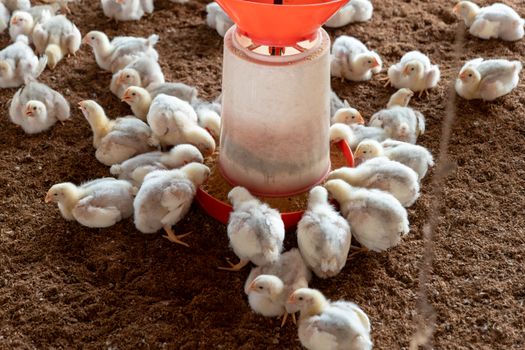
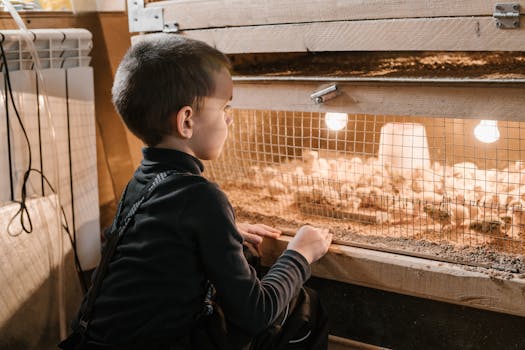
- Heat Stress: When ambient temperatures exceed 32°C (90°F), chukars are susceptible to heat stress. Symptoms can include panting, lethargy, decreased appetite, and reduced egg production. According to a 2022 study in the $1, egg production in chukars drops by as much as 40% when temperatures consistently exceed 33°C (91°F). - Cold Stress: Prolonged exposure to temperatures below -5°C (23°F) can lead to frostbite, stunted growth in chicks, and increased feed consumption as the birds use energy to maintain body heat. Chukar chicks are particularly vulnerable during the first three weeks, requiring brooder temperatures of 35°C (95°F) initially, gradually decreasing by 2-3°C each week.Temperature extremes not only affect health but also feed efficiency and growth rates. Chukars kept within the optimal range of 18°C to 28°C (64°F to 82°F) show the highest feed conversion ratios, meaning they grow faster on less feed.
Humidity and Ventilation: Keys to Respiratory Health
While chukars are resilient to dry conditions, high humidity poses unique risks. Humidity levels above 70% can promote the growth of pathogens like Aspergillus fungus and bacteria, leading to respiratory diseases.
- Respiratory Disease: In enclosed or poorly ventilated housing, high humidity correlates with a higher incidence of pneumonia and airsacculitis. A 2021 survey of commercial chukar farms in the U.S. found that flocks exposed to over 75% humidity for more than two weeks experienced a 25% higher mortality rate compared to those maintained at 50-60% humidity. - Chick Health: Chukar chicks are especially sensitive to damp conditions, developing “wet litter” syndrome—a condition where droppings and spilled water create a moist environment, fostering disease.Good ventilation is crucial to controlling humidity. Farmers should aim for at least six air exchanges per hour in enclosed housing, using windows, fans, or vents to keep air fresh and dry.
Seasonal Fluctuations: Adapting to Changing Daylength and Weather
Chukars are seasonal breeders in the wild, responding to changes in daylength and temperature. These natural rhythms affect their reproductive cycles, molting, and general activity.
- Photoperiod (Daylength): Chukars require a minimum of 14 hours of daylight for peak egg laying. In regions with short winter days, artificial lighting may be necessary to maintain productivity. - Molting: Seasonal temperature drops trigger molting, a period when chukars shed and regrow feathers. During molt, birds are more vulnerable to temperature stress and require extra nutrition. - Rain and Wind: Heavy rainfall and strong winds, uncommon in their native range, can stress chukars. Wet feathers lose insulating ability, and wind chill increases energy needs. Temporary shelters or windbreaks help reduce these effects.Understanding these seasonal cycles allows farmers to anticipate and meet the changing needs of their flocks throughout the year.
Extreme Weather Events: Risks and Precautions
As climate change leads to more frequent heatwaves, cold snaps, and storms, chukar keepers face new challenges.
- Heatwaves: Prolonged periods above 35°C (95°F) can cause mass die-offs without intervention. Shade, cool water, and evaporative cooling systems are essential during such events. - Cold Snaps: Sudden temperature drops, especially in regions unaccustomed to frost, can catch both birds and keepers unprepared. Insulated coops, supplemental heating, and wind protection are vital. - Flooding: While chukars are adapted to dry soil, intense rain can flood pens, leading to foot problems (bumblefoot) and disease. Elevated, well-drained runs and prompt removal of standing water reduce these risks.The following table summarizes how different climate factors affect chukar health and offers key preventive measures:
| Climate Factor | Potential Health Impact | Preventive Measures |
|---|---|---|
| High Temperature (>32°C/90°F) | Heat stress, reduced laying, dehydration | Provide shade, cool water, ventilation |
| Low Temperature (<-5°C/23°F) | Frostbite, slow growth, higher feed use | Insulate housing, use brooder heaters |
| High Humidity (>70%) | Respiratory disease, wet litter, higher mortality | Increase ventilation, use absorbent bedding |
| Heavy Rain/Flooding | Bumblefoot, hypothermia, disease | Elevate pens, improve drainage |
| Strong Winds | Wind chill, feather loss, stress | Windbreaks, sheltered runs |
Regional Adaptations: Success Stories and Challenges
Across the world, chukar chickens have been successfully raised in climates far different from their native range, but not without challenges. Here are a few examples:
- United States (Western States): In Nevada and Utah, where summers are hot and dry, chukars thrive outdoors with minimal intervention. However, mortality rates spike during unusually wet or cold winters, emphasizing the need for adaptable housing. - United Kingdom: Chukar keepers in the UK report good results, but only with enclosed, well-ventilated housing to offset the frequent rain and high humidity. The British Poultry Science Association notes that chick survival rates are 15% higher in flocks with covered runs and dry bedding. - India (Plains vs. Hills): While chukars are native to the Himalayan foothills, farmers raising them in the humid plains report slower growth and more frequent illness, underscoring the importance of matching breed and husbandry to local climate.These cases show that with careful management, chukars can be successfully farmed in a variety of environments—provided their climate needs are respected and met.
Final Thoughts on Climate and Chukar Chicken Well-being
The health and growth of chukar chickens are intimately tied to their climate. While these birds are tough and adaptable, they are not invincible. Heat, cold, humidity, and severe weather each present risks that, if unaddressed, can undermine productivity and welfare. By understanding the specific ways climate impacts chukars—through temperature, humidity, seasonal changes, and weather extremes—keepers can make informed choices about housing, feeding, and flock management. With proactive steps such as proper ventilation, temperature control, and weatherproofing, chukar enthusiasts worldwide can enjoy healthy, thriving birds in almost any region.