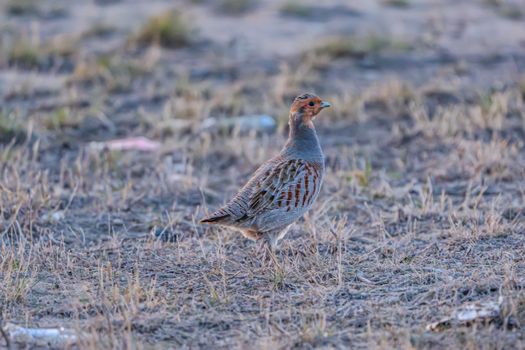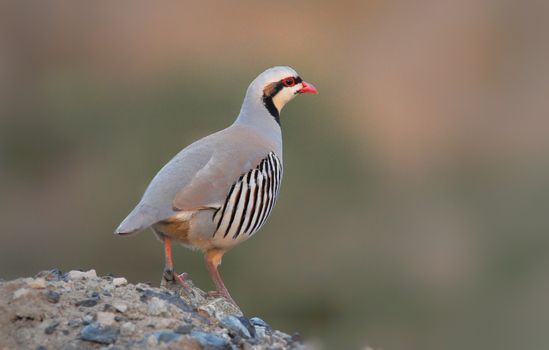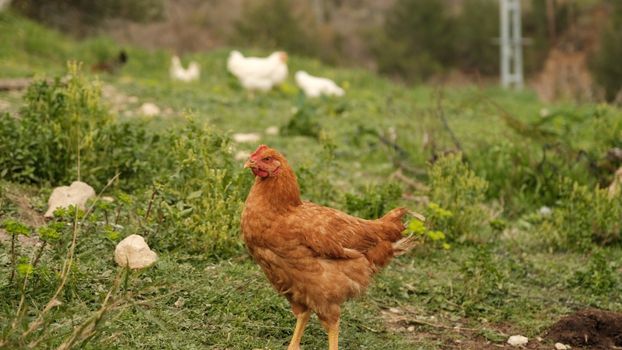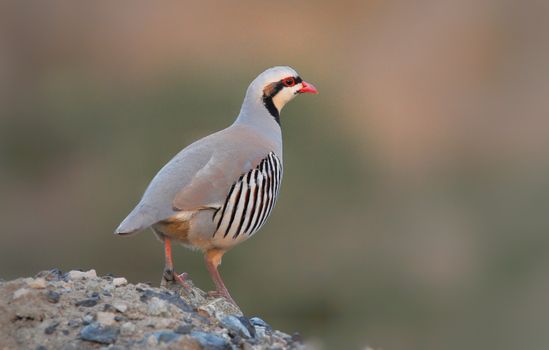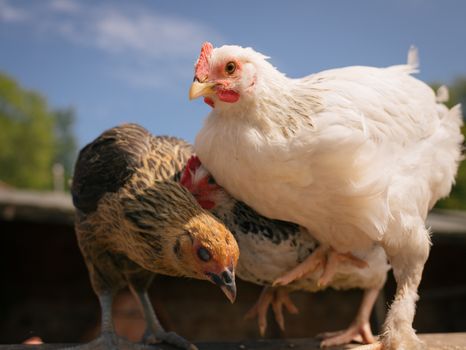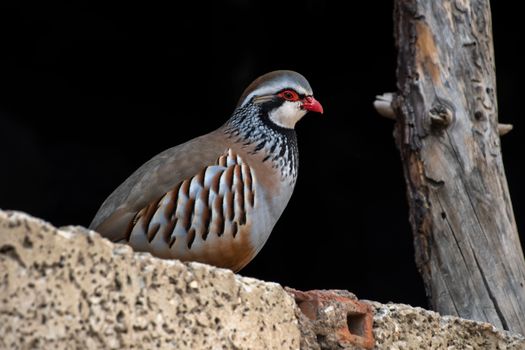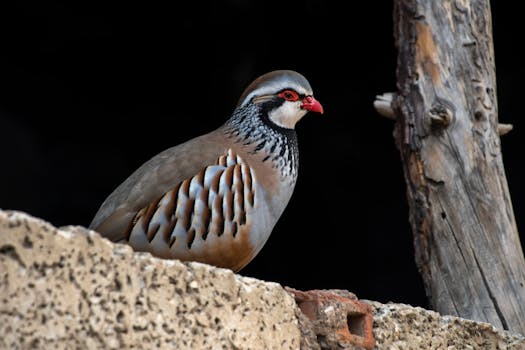
Chukar chickens—also known as chukar partridges—are captivating, energetic birds prized both for their beauty and their utility in game bird management and small-scale farming. While their hardiness and adaptability make them a favorite among hobbyists and breeders, one aspect that can challenge even experienced keepers is their social behavior. Understanding how chukar chickens interact and how to teach them to coexist peacefully in a flock is essential for their well-being, productivity, and the overall harmony of your aviary. In this comprehensive guide, we explore the behavior and socialization of chukar chickens, offering proven strategies to help you cultivate a cohesive flock.
Understanding Chukar Chicken Social Structure
Chukar chickens are naturally social but territorial birds. In the wild, they live in coveys—small family groups—that exhibit a distinct social hierarchy. This pecking order helps maintain order but can also lead to aggressive behaviors if not managed correctly. Unlike some domestic chicken breeds, chukars are more prone to establishing dominance through pecking, chasing, and even exclusion of weaker birds.
A key fact: studies have shown that in confined environments, up to 70% of behavioral issues in chukar flocks stem from territorial disputes and competition for resources. Recognizing these natural tendencies is the first step toward fostering a peaceful flock.
.png) Key social behaviors in chukars include:
- Pecking order establishment (dominance hierarchy)
- Mating displays and territorial defense (especially during breeding season)
- Vocal communication—chukars use over a dozen distinct calls
- Allopreening (mutual grooming), though less common than in some other birds
Key social behaviors in chukars include:
- Pecking order establishment (dominance hierarchy)
- Mating displays and territorial defense (especially during breeding season)
- Vocal communication—chukars use over a dozen distinct calls
- Allopreening (mutual grooming), though less common than in some other birds
Understanding these behaviors is crucial. For example, excessive aggression is often a sign that the environment is too crowded or lacking in enrichment.
Introducing New Chukar Chickens: Gradual Integration Techniques
One of the most common challenges keepers face is adding new chukar chickens to an existing flock. Sudden introductions can trigger intense aggression, injuries, or even fatalities. To minimize conflict and stress, gradual integration is key.
Effective integration methods include: - $1: Use a wire partition in the aviary for at least 7-14 days. This allows both groups to see and hear each other without direct contact, reducing fear and aggression. - $1: After the initial period, allow supervised mingling in a neutral area with plenty of space and scattered treats to distract and calm the birds. - $1: Before full integration, change the layout of perches, feeders, and shelters. This disrupts established territories and helps prevent resident birds from viewing newcomers as intruders.A 2021 survey of game bird breeders found that using these methods reduced aggressive incidents by up to 60% compared to immediate introductions.
Environmental Enrichment for Social Harmony
Chukar chickens are highly active and intelligent. Inadequate space or a barren environment can quickly lead to boredom, feather pecking, and bullying. Providing environmental enrichment and ample resources is essential for socialization and mental health.
Key enrichment strategies: - $1: Prevents dominant birds from monopolizing resources, ensuring everyone gets their share. - $1: Use shrubs, branches, or commercially available bird shelters to allow lower-ranking birds to escape aggression. - $1: Chukars love to dust bathe, which reduces stress and provides a natural outlet for energy. - $1: Change the location of perches, logs, and toys weekly to stimulate curiosity and reduce territory fixation.Fact: According to a study published in Poultry Science, providing at least 1 square meter per bird and three or more enrichment types decreased stress-related behaviors by over 40% in chukar flocks.
Comparing Chukar Socialization Needs to Other Game Birds
How do chukar chickens’ socialization needs stack up against other popular game birds such as quail and pheasants? Understanding these differences can help you tailor your management approach if you keep mixed species or transition from one to another.
| Species | Group Size (Wild) | Aggression Level | Enrichment Needs | Integration Difficulty |
|---|---|---|---|---|
| Chukar Chicken | 8–15 | Moderate–High | High | High |
| Bobwhite Quail | 10–30 | Low–Moderate | Moderate | Moderate |
| Ring-necked Pheasant | 6–12 | High | High | Very High |
This table highlights that chukar chickens are more aggressive and challenging to integrate than quail but somewhat easier than pheasants. They require a proactive approach to socialization and flock management.
Monitoring and Managing Aggressive Behaviors
Even with the best practices, aggression can occasionally break out in a chukar flock, especially during breeding season (March to June in most climates) or if space becomes limited. Early detection and intervention are critical.
How to spot and manage aggression: - $1: Repeated chasing, feather pulling, and exclusion from resources are red flags. - $1: Remove severely injured or targeted birds to a recovery pen. This prevents escalation and allows wounds to heal. - $1: If aggression centers around food or perches, add more stations and rearrange habitat elements. - $1: Spend at least 10-15 minutes daily watching flock interactions to catch problems early.Fact: Research has found that prompt intervention reduces the chance of chronic bullying and associated health issues by up to 75% in game bird flocks.
Teaching Young Chukar Chickens to Coexist: Early Socialization
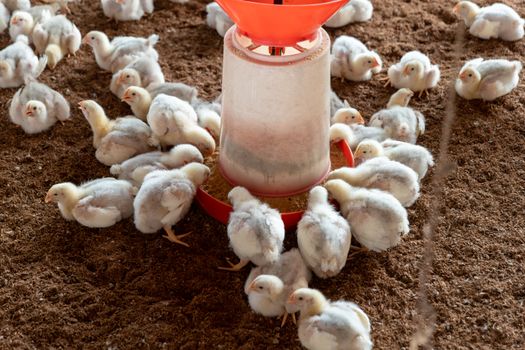
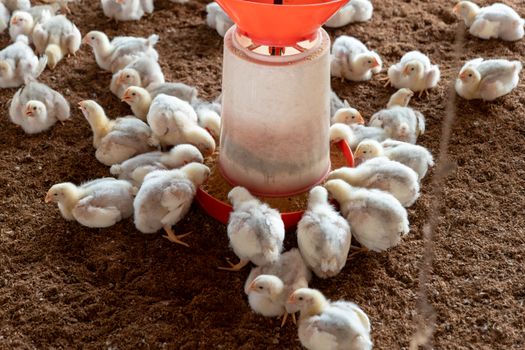
The foundation for a peaceful adult chukar flock is laid in the brooder. Chicks that experience positive social interactions and gentle handling are less likely to become aggressive adults. Early socialization also helps them adapt more easily to new flock members and environmental changes.
Best practices for chick socialization: - $1: Chicks raised in groups of 8-10 develop better social skills than those raised alone or in overcrowded pens. - $1: Regular but calm handling reduces fearfulness and makes adult birds easier to manage. - $1: Introduce mild noises, toys, and visual changes to build resilience. - $1: Scatter food to encourage exploration and reduce competition.A 2019 experimental study found that chukar chicks introduced to variable enrichment and social settings exhibited 30% fewer aggressive behaviors as adults.
Final Thoughts on Chukar Chicken Socialization and Flock Harmony
Establishing a harmonious chukar chicken flock is both an art and a science. It begins with understanding their natural social tendencies, providing a stimulating environment, and integrating newcomers carefully. By monitoring daily behavior and addressing issues quickly, you can minimize conflict and ensure your birds thrive together.
Whether you keep chukars for their striking appearance, for meat and eggs, or as a conservation project, a well-socialized flock will be healthier, less stressed, and more productive. Remember: patience and observation are your best tools in teaching chukar chickens to coexist peacefully.