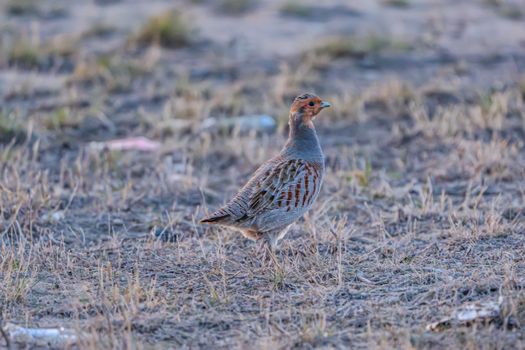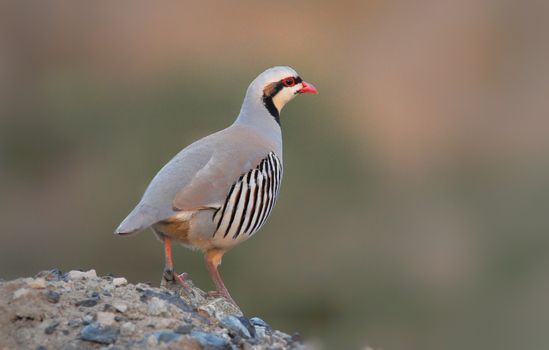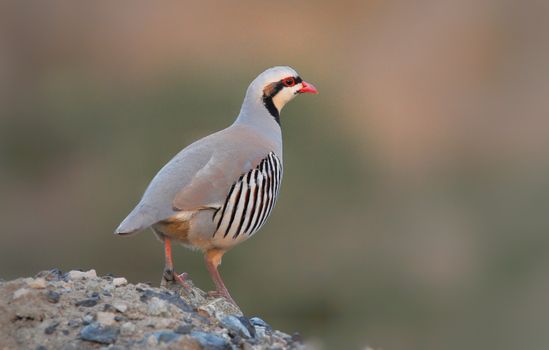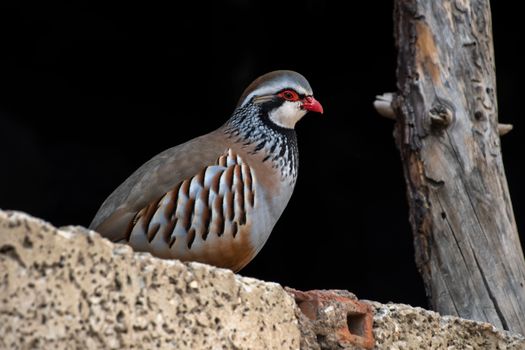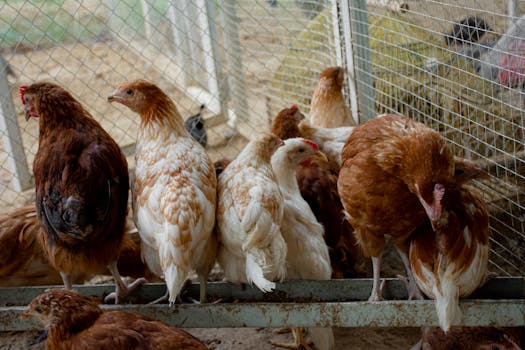
Breeding Chukar chickens (Alectoris chukar), also known as Chukar partridges, is an increasingly popular venture for both hobbyists and commercial farmers. As demand for Chukar meat and eggs grows, so does the interest in efficient and humane breeding methods. Two primary approaches dominate the landscape: free-range and intensive farming systems. Each method offers unique benefits and challenges, impacting animal welfare, productivity, environmental sustainability, and profitability in different ways. Understanding these distinctions is crucial for anyone interested in Chukar chicken farming, whether for personal enjoyment or commercial success.
The Basics of Chukar Chicken Breeding Systems
Chukar chickens are hardy, adaptable birds native to arid and rocky regions of Eurasia. When raised in captivity, breeders must choose between allowing them to roam freely or keeping them in controlled environments. The choice of breeding system not only affects the birds’ health and behavior but also influences the quality of the end product, operational costs, and the farm’s environmental footprint.
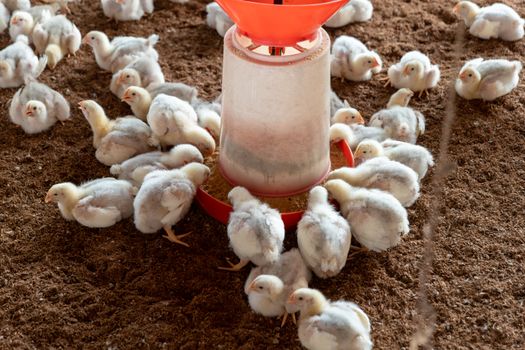
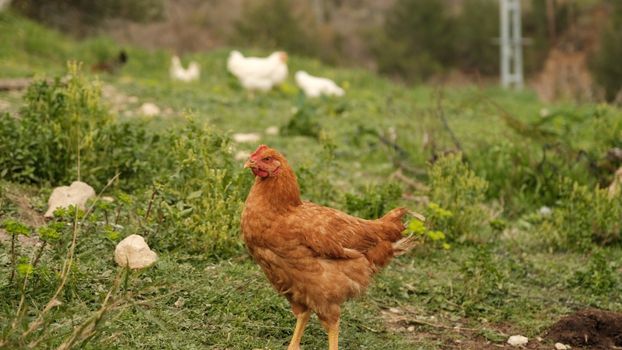
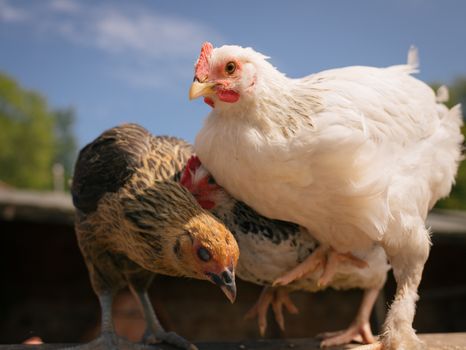
Free-range farming allows Chukars access to outdoor spaces where they can forage, exercise, and engage in natural behaviors. This system is often associated with higher welfare standards and better flavor in meat and eggs. In contrast, intensive farming confines birds to indoor or restricted outdoor spaces, focusing on maximizing production efficiency and minimizing land use.
.png)
Each method has passionate advocates and critics. The best choice depends on the farmer’s goals, available resources, climate, and market demands.
Animal Welfare and Behavioral Outcomes
Animal welfare is a major consideration in modern poultry farming. Free-range Chukar chickens benefit from greater space, natural sunlight, and the ability to express instinctive behaviors such as dust bathing, scratching, and social interaction. Studies have shown that birds in free-range systems experience lower stress levels, exhibit healthier plumage, and are less prone to certain diseases related to overcrowding.
For example, a 2021 study by the International Journal of Poultry Science found that free-range partridges had 40% lower incidences of foot problems and feather pecking compared to those in intensive systems. Additionally, the mortality rate in free-range flocks was around 4%, significantly lower than the 9% observed in intensive flocks.
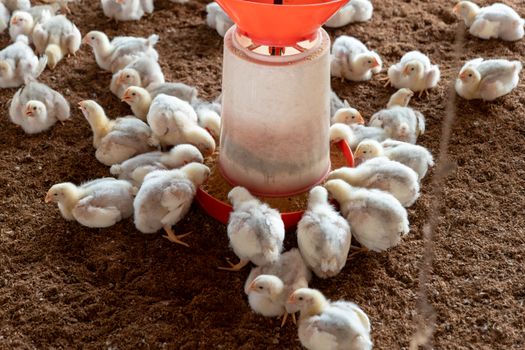
On the other hand, intensive farming environments can restrict movement and natural behaviors. While modern intensive systems are designed to minimize distress and disease through controlled temperature, light, and ventilation, the risk of behavioral issues such as aggression and cannibalism is typically higher due to crowding and monotony. However, intensive systems often have better biosecurity, reducing the risk of predation and some infectious diseases.
Productivity, Growth Rates, and Economic Efficiency
When it comes to productivity, intensive systems usually have the upper hand. Chukar chickens raised in controlled, high-density environments tend to grow faster and reach market weight sooner due to optimized feeding, stable temperatures, and reduced energy spent on foraging. According to a 2022 report from the Food and Agriculture Organization (FAO), intensive Chukar chicken farms can achieve a market weight of 500 grams in as little as 10 weeks, compared to 13 weeks for free-range systems.
Feed conversion ratio (FCR)—a key measure of efficiency—also favors intensive farming. Intensive systems typically record an FCR of 2.8:1 (2.8 kg feed per 1 kg weight gain), while free-range systems average around 3.3:1. This difference translates to lower feed costs per bird, which is significant given that feed accounts for up to 70% of total production expenses.
However, free-range Chukars often fetch higher prices at market, with consumers willing to pay a premium for birds raised in natural environments. Niche markets, such as gourmet restaurants and specialty grocers, may pay 20-30% more per kilogram for free-range Chukar meat and eggs.
Environmental Impact and Land Use
Sustainability is a growing concern in livestock production, and breeding Chukar chickens is no exception. Free-range systems typically require more land per bird, as industry guidelines recommend at least 4-5 square meters per Chukar for adequate foraging and exercise. While this increases land requirements, it can also contribute to soil fertility and biodiversity if managed correctly.
Intensive farming, by comparison, uses space far more efficiently, with stocking densities as high as 20-25 birds per square meter in some commercial operations. This allows for larger flocks on smaller plots of land, but can lead to higher concentrations of waste and greater challenges in waste management and odor control. Furthermore, intensive systems often depend on manufactured feeds sourced from monoculture crops, which can contribute to deforestation and resource depletion elsewhere.
A 2020 study published in the Journal of Environmental Management found that the carbon footprint per kilogram of meat was similar for both systems when scaled, but free-range farms supported greater biodiversity and had a more positive impact on local ecosystems.
Health and Disease Management
Disease management is a critical aspect of Chukar chicken breeding. Intensive systems typically have more robust biosecurity protocols, including restricted entry, regular disinfection, and controlled ventilation to prevent outbreaks of contagious diseases such as Newcastle disease or coccidiosis. Vaccination programs are easier to implement and monitor in intensive settings.
However, high stocking densities can increase the risk of rapid disease spread if an outbreak occurs. According to the World Organization for Animal Health, intensive farms report disease outbreaks in 7% of flocks annually, compared to only 3% in free-range systems. Free-range chickens, while exposed to wild birds and environmental pathogens, may benefit from stronger immune systems due to varied diets and natural exercise.
Veterinary costs may be higher in intensive systems due to the need for regular monitoring and preventative treatments, whereas free-range operations often focus on holistic approaches, including herbal remedies and rotational grazing to minimize disease pressure.
Comparing Free Range and Intensive Chukar Chicken Farming: Key Differences
The following table summarizes the main differences between free-range and intensive Chukar chicken breeding methods:
| Aspect | Free Range | Intensive Farming |
|---|---|---|
| Space per Bird | 4-5 sq m | 0.04-0.05 sq m |
| Feed Conversion Ratio | 3.3:1 | 2.8:1 |
| Market Weight (Time to Reach) | 13 weeks | 10 weeks |
| Mortality Rate | 4% | 9% |
| Product Market Value | 20-30% higher | Standard |
| Biosecurity | Moderate | High |
| Environmental Impact | Biodiversity support, higher land use | Efficient land use, higher waste concentration |
Making the Right Choice for Your Chukar Chicken Operation
Choosing between free-range and intensive Chukar chicken breeding methods boils down to balancing priorities: animal welfare, productivity, environmental concerns, and profitability. Free-range systems may be ideal for small-scale farmers seeking to cater to niche markets or prioritize animal welfare and sustainability. These systems can offer healthier, more flavorful products and a marketing edge, but require more land and are less suited to high-volume production.
Intensive farming methods, on the other hand, suit commercial producers aiming for maximum productivity and efficiency. They minimize land use and can lower per-bird costs, but may face public scrutiny over animal welfare and environmental practices. Regulatory compliance and consumer preferences are increasingly shaping the industry, and farmers must stay informed to remain competitive.
Ultimately, some producers opt for hybrid or semi-intensive systems, blending the best of both worlds by providing controlled indoor housing with periodic outdoor access. This approach can help balance welfare, efficiency, and product quality, depending on local conditions and market demands.