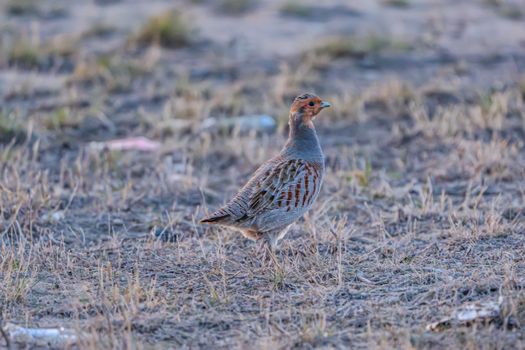
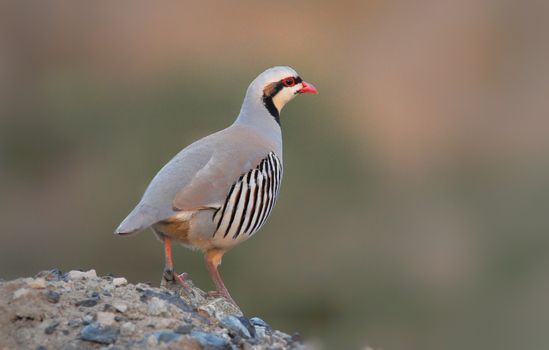
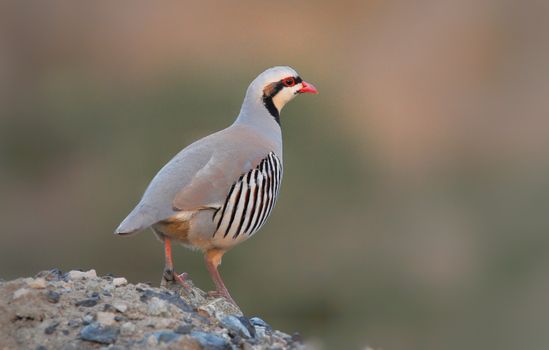
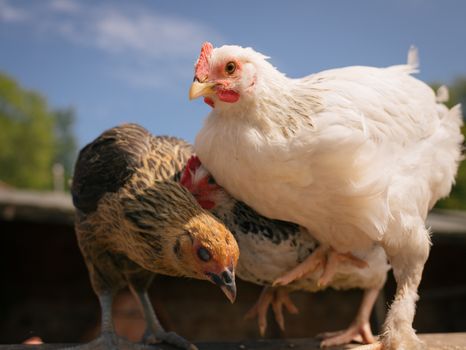
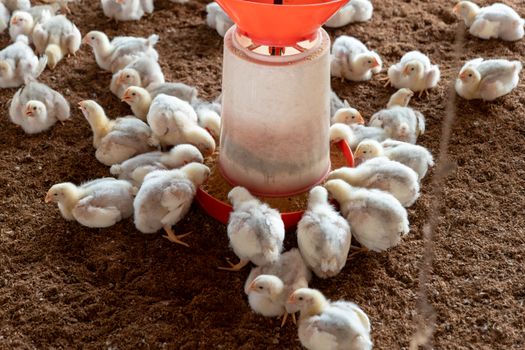
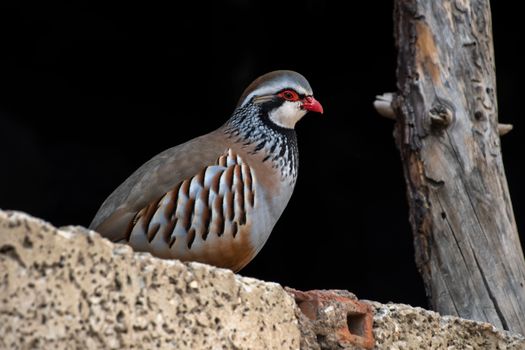
Chukar partridges, with their striking plumage and hardy nature, have become increasingly popular among aviculturists, hobby farmers, and game breeders. While these birds are known for their resilience, they are not immune to health problems. Recognizing the early signs of illness and understanding how to address common health issues is essential for anyone raising Chukar partridges. This comprehensive guide delves into the most prevalent health problems in Chukar partridges, how to diagnose them, and effective treatment strategies to ensure the well-being of your flock.
The Unique Health Profile of Chukar Partridges
Chukar partridges (Alectoris chukar) are native to arid and semi-arid regions stretching from Eastern Europe through Central Asia. Their adaptation to rugged mountainous terrain makes them robust, but captivity introduces new challenges. Unlike their wild counterparts, captive Chukars are exposed to higher densities, different diets, and novel pathogens, making them susceptible to a distinct set of health problems.
A survey by the United States Department of Agriculture (USDA) found that, in controlled environments, up to 12% of Chukar partridge losses are attributed to preventable diseases. Understanding their unique health profile is the first step toward proactive flock management.
.png)
Common Infectious Diseases in Chukar Partridges
Infectious diseases remain a primary concern for Chukar keepers. Bacterial, viral, and parasitic infections can spread rapidly due to the social nature of these birds.
1. $1: This parasitic disease is one of the leading causes of mortality in young Chukar chicks. Caused by Eimeria spp., coccidiosis attacks the intestinal lining, leading to lethargy, diarrhea (often bloody), and rapid weight loss. According to a 2022 study published in the Journal of Avian Medicine, outbreaks can affect 40% or more of a flock if not properly managed. 2. $1: Chukars are susceptible to Salmonella typhimurium, which can cause severe gastrointestinal distress, dehydration, and sudden death. Symptoms include ruffled feathers, greenish droppings, and decreased feed intake. 3. $1: Though rarer in partridges than chickens, Erysipelothrix rhusiopathiae can cause acute septicemia, resulting in swelling and discoloration of the skin, especially around the head and wattles. 4. $1: Mycoplasma gallisepticum and other pathogens can lead to chronic respiratory infections. Key signs include nasal discharge, coughing, and labored breathing.Non-Infectious Health Problems: Nutritional and Environmental Challenges
Not all health issues are caused by pathogens. Nutritional deficiencies and environmental stressors account for a significant portion of Chukar morbidity.
1. $1: Chukars require a balanced diet rich in vitamins A, D, and E. Deficiency in vitamin A, for example, can cause swollen eyelids, nasal discharge, and poor growth in chicks. A 2019 report noted that up to 18% of captive Chukar deaths could be traced to dietary imbalances. 2. $1: While Chukars are adapted to warm climates, extreme heat in confined spaces can lead to heat stroke. Birds may pant excessively, spread their wings, and collapse if not provided with adequate ventilation and shade. 3. $1: Hard, abrasive flooring in enclosures can cause lesions on the feet, leading to secondary infections and lameness. 4. $1: Laying hens may occasionally suffer from egg binding, where an egg gets stuck in the reproductive tract. This condition requires prompt intervention; common signs include straining, swollen abdomen, and lethargy.Diagnosing Health Problems: Signs, Symptoms, and Sample Collection
Timely and accurate diagnosis is the key to effective treatment. Chukar partridges tend to mask symptoms until illnesses are advanced, so daily observation is crucial.
- $1: Healthy Chukars are alert, active, and have smooth feathers. Signs of illness include ruffled feathers, inactivity, abnormal droppings, rapid breathing, and reduced appetite. - $1: Changes in color, consistency, or frequency may indicate digestive issues or systemic illness. - $1: Check for swelling, wounds, or discoloration on the feet, beak, and vent area. - $1: For suspected infectious diseases, collect fresh fecal samples or swabs from the mouth, nostrils, or lesions for laboratory analysis.Below is a comparison table outlining the most common health problems, their symptoms, and recommended diagnostic methods:
| Health Problem | Key Symptoms | Diagnostic Method |
|---|---|---|
| Coccidiosis | Bloody diarrhea, lethargy, weight loss | Fecal flotation test |
| Salmonellosis | Green droppings, dehydration, sudden death | Bacterial culture of feces |
| Respiratory Infection | Nasal discharge, coughing, labored breathing | Swab for bacterial/viral testing |
| Vitamin A Deficiency | Swollen eyelids, nasal discharge, poor growth | Diet review, blood test for vitamin levels |
| Bumblefoot | Swollen feet, limping, open sores | Physical examination |
| Egg Binding | Straining, swollen abdomen, lethargy | Palpation, X-ray if available |
Treatment Strategies for Chukar Partridge Health Issues
Once a diagnosis is made, swift treatment is vital to prevent the spread and worsening of disease. Here are effective strategies for the most common conditions:
1. $1: Administer coccidiostats such as amprolium or sulfa drugs in drinking water as directed by a veterinarian. Maintain strict hygiene by cleaning bedding and feeders daily. 2. $1: Use antibiotics prescribed by an avian vet based on sensitivity testing. Isolate affected birds to prevent transmission. 3. $1: Improve ventilation, reduce dust, and treat with appropriate antibiotics or antivirals if indicated. Supportive care with vitamins and electrolytes can aid recovery. 4. $1: Adjust feed formulations to meet the nutritional needs of Chukar partridges. Commercial game bird feeds are formulated with the correct balance of vitamins and minerals. Supplement with fresh greens, grains, and access to grit. 5. $1: Clean wounds with antiseptics, apply topical antibiotics, and provide soft bedding. In severe cases, veterinary intervention for abscess drainage may be required. 6. $1: Provide a warm, quiet environment to help the hen relax. Lubricate the vent with warm mineral oil and gently massage the abdomen. If the egg is not expelled within a few hours, seek veterinary care.Preventing Health Problems: Proactive Flock Management
Prevention is always preferable to cure. By adopting best practices, you can significantly reduce the risk of disease outbreaks and health problems in your Chukar partridges.
- $1: Limit access to your birds, especially from outside animals and people. Disinfect equipment and footwear before entering enclosures. - $1: Remove droppings, uneaten food, and soiled bedding daily. Regularly wash waterers and feeders. - $1: Feed Chukars a diet specifically designed for game birds, ensuring all essential nutrients are provided. - $1: Ensure housing allows for ample air flow without drafts, reducing the risk of respiratory ailments. - $1: Monitor birds at least twice daily for early signs of distress or illness. - $1: Isolate new additions for at least two weeks to monitor for hidden diseases.Statistics from the National Poultry Improvement Plan highlight that flocks practicing strict biosecurity and hygiene measures experience up to 60% fewer disease outbreaks compared to those with lax protocols.
Final Thoughts on Diagnosing and Treating Chukar Partridge Health Problems
Chukar partridges are hardy, but attentive care is essential to keep them healthy in captivity. By understanding the most common health issues, recognizing the signs early, and taking swift action, you can protect your flock from unnecessary suffering and loss. Remember, regular observation, proper nutrition, clean housing, and prompt veterinary intervention when needed are the cornerstones of Chukar partridge health. Armed with this knowledge, you can enjoy the rewards of raising vibrant, thriving Chukar partridges for years to come.