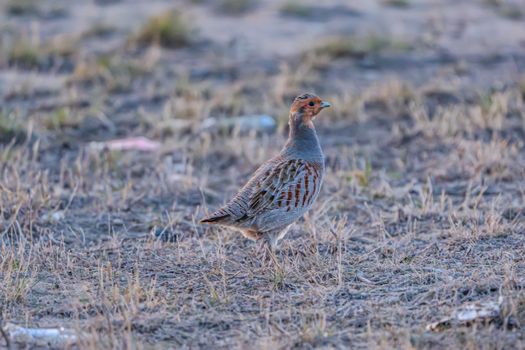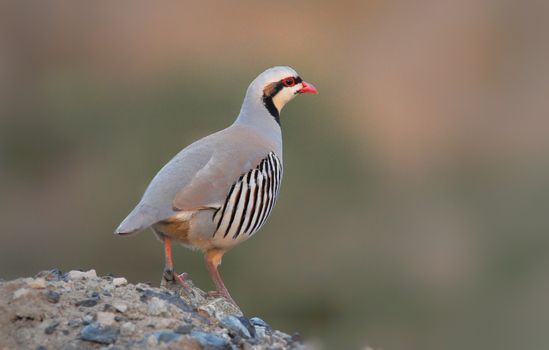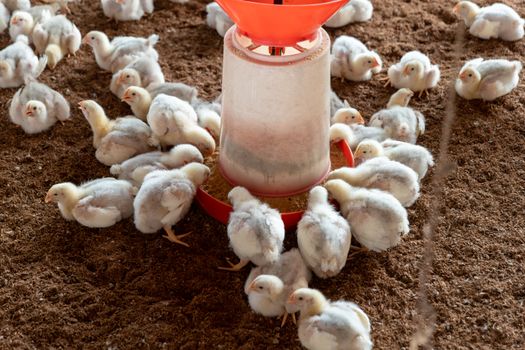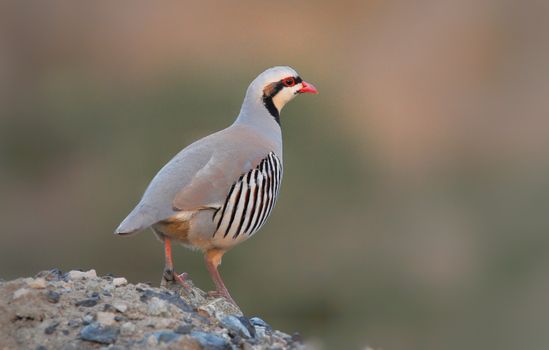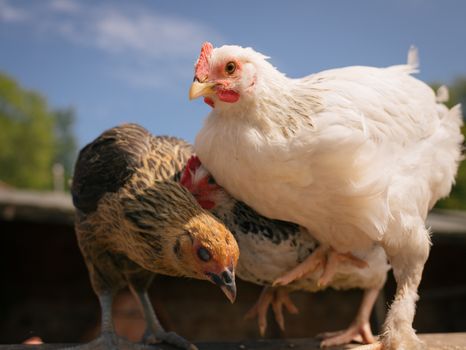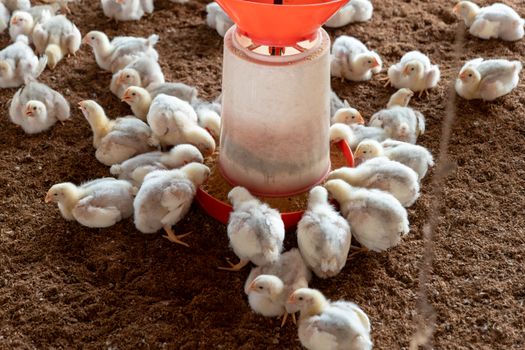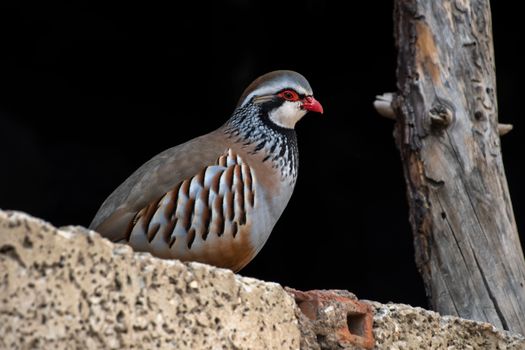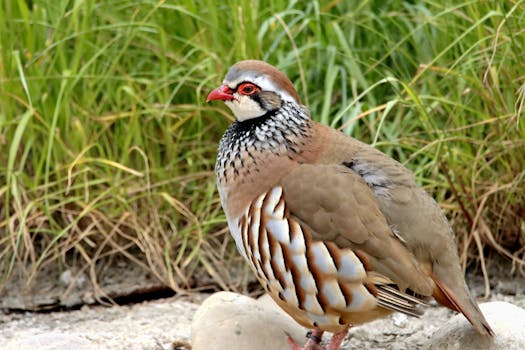
Chukar partridges, with their distinctive markings and hardy nature, have become increasingly popular among hobbyists and commercial breeders alike. Whether you are looking to establish a small backyard flock or scale up to a larger operation, mastering the art of breeding Chukar partridges can be both rewarding and profitable. However, successful breeding goes far beyond simply pairing males and females. Attention to genetics, environment, nutrition, and careful management is essential to ensure strong, healthy chicks and a thriving flock.
This comprehensive guide delves into advanced tips and tricks for breeding Chukar partridges, focusing on key factors that influence fertility, chick vitality, and flock performance. By applying these expert insights, you can optimize your breeding outcomes and enjoy the many benefits that Chukar partridges offer.
Understanding Chukar Partridge Breeding Behavior
One of the most crucial steps in successful Chukar partridge breeding is understanding their natural reproductive behavior. Chukars are seasonal breeders, typically initiating courtship and egg-laying as daylight increases in the spring. In the wild, their breeding season begins in April and can extend through July, depending on the climate and latitude.
.png)
Males establish territories and attract females through vocalizations and displays. Once paired, a hen will lay a clutch of 10-20 eggs over a span of two weeks. In captivity, maintaining a sex ratio close to 1:2 (male to female) is ideal for maximizing fertility while minimizing aggression.
Fact: In controlled breeding environments, a single healthy male can fertilize eggs from up to four females, but fertility rates drop significantly with higher ratios due to stress and competition.
To stimulate natural breeding instincts in captivity, mimic seasonal changes by adjusting light exposure to 14-16 hours per day as spring approaches. Use full-spectrum lighting if natural sunlight is insufficient. Avoid overcrowding, as it can lead to stress, reduced fertility, and aggressive behaviors that disrupt mating.
Genetic Selection: Building a Strong Breeding Stock
Genetic diversity is foundational to breeding robust and productive Chukar partridges. Breeding from a limited genetic pool can result in inbreeding depression, which negatively impacts chick survival, growth rates, and disease resistance.
When establishing your breeding stock: - Source birds from at least two or three unrelated lines or breeders. - Avoid breeding siblings or close relatives. - Select birds based on health, vigor, size, and temperament. - Observe for any hereditary defects, such as crossed beaks or leg deformities, and exclude affected birds from your program.A study published in Poultry Science (2018) found that flocks with higher genetic diversity exhibited up to 25% higher hatchability rates and improved overall flock health.
To track genetics, maintain detailed records of each bird’s lineage, age, and breeding outcomes. This practice is especially important as your flock grows, allowing you to rotate breeding pairs and avoid accidental inbreeding.
Optimizing Breeding Environments for Maximum Fertility
The right environment is key to encouraging breeding and optimizing egg production. Chukar partridges are sensitive to stress, and even minor disruptions can reduce fertility or cause hens to stop laying.
Key environmental factors include:
- Space: Provide at least 3-4 square feet per bird in breeding pens to minimize aggression and ensure comfort. - Nesting: Supply secluded nesting sites with clean, dry bedding such as straw or wood shavings. Nest boxes should measure approximately 12 x 12 x 8 inches. - Lighting: Gradually increase day length to 14-16 hours, simulating the natural breeding season. - Temperature: Maintain temperatures between 18-24°C (64-75°F). Sudden cold snaps or heat waves can disrupt breeding. - Cleanliness: Regularly remove droppings, uneaten food, and soiled bedding to reduce disease risk and promote egg hygiene.Fact: Studies show that maintaining optimal pen conditions can increase egg production by as much as 30%, while reducing egg breakage and contamination.
For larger flocks, consider dividing birds into smaller breeding groups and rotating males between pens to ensure even fertilization and prevent dominance hierarchies from forming.
Egg Collection, Handling, and Incubation Techniques
Proper egg management is essential for maximizing hatch rates and chick health. Chukar partridge eggs are relatively resilient but must be handled with care to avoid contamination or damage.
Follow these best practices:
- Collect eggs at least twice daily to prevent chilling or overheating, especially during extreme weather. - Store eggs at 12-15°C (54-59°F) with 65-75% humidity if not incubating immediately. Pointed end down helps preserve air cell integrity. - Avoid washing eggs unless heavily soiled; if necessary, use a damp cloth and avoid submerging. - Set eggs in incubators within 7 days for best hatchability; older eggs have reduced viability.Incubation parameters for Chukar partridge eggs:
| Parameter | Recommended Range | Impact on Hatch Rate |
|---|---|---|
| Temperature | 37.5°C (99.5°F) | Critical for embryonic development |
| Humidity (Day 1-21) | 45-50% | Prevents dehydration or excess moisture loss |
| Humidity (Hatching, Day 22-24) | 65-70% | Facilitates successful pipping and hatch |
| Turning | 3-5 times/day | Prevents embryo from sticking to shell |
| Incubation Duration | 23-24 days | Typical for Chukar partridges |
Fact: Improper humidity is the leading cause of poor hatches; eggs losing more than 13% of their weight during incubation often result in weak or nonviable chicks.
Candle eggs after 7-10 days to check for fertility and remove any infertile or non-developing eggs to prevent contamination and exploding eggs.
Feeding and Nutrition for Breeding Chukar Partridges
Nutrition directly influences reproductive success in Chukar partridges. Breeding birds require a diet higher in protein, vitamins, and minerals than maintenance diets.
Key nutritional guidelines:
- Protein: Increase to 20-22% during breeding and egg production. - Calcium: Provide 3-4% calcium, using crushed oyster shell or limestone, to support eggshell formation. - Vitamins: Supplement with vitamins A, D3, and E, which are critical for fertility and embryonic development. - Fresh Water: Ensure constant access to clean water; dehydration can halt egg production.A 2021 agricultural study found that hens on a properly balanced breeder diet produced 18% more eggs, with significantly thicker shells and higher hatch rates compared to those on a standard maintenance feed.
Offer feed in easily sanitized troughs and avoid feeding on the ground to minimize disease transmission. Supplement with fresh greens, insects, or mealworms for enrichment and additional nutrients.
Health Monitoring and Preventing Breeding Setbacks
Maintaining flock health is essential for successful breeding. Disease, parasites, and stress can all reduce fertility and chick viability.
Pre-breeding checklist:
- Deworm all breeders 2-4 weeks before the breeding season. - Vaccinate against common avian diseases, such as Newcastle disease and fowl pox, if recommended in your region. - Regularly inspect for external parasites (mites, lice) and treat as needed. - Quarantine new or returning birds for at least 30 days to prevent disease introduction.Monitor breeders daily for signs of illness, injury, or abnormal behavior. Early intervention is key to preventing outbreaks that can devastate your breeding program.
Fact: Flock outbreaks of coccidiosis can reduce hatchability rates by up to 40%. Practice strict biosecurity and clean pens thoroughly between breeding cycles.
Final Thoughts on Breeding Chukar Partridges Successfully
Breeding Chukar partridges is a rewarding endeavor that combines patience, attention to detail, and a commitment to best practices. By focusing on genetic diversity, environmental optimization, careful egg handling, specialized nutrition, and vigilant health management, you can dramatically improve your breeding outcomes.
Success in Chukar partridge breeding is not just about increasing numbers—it’s about producing healthier, more vigorous chicks that will thrive and contribute to future generations. With thoughtful management and a willingness to adapt, breeders at any scale can enjoy the many benefits these remarkable birds offer.