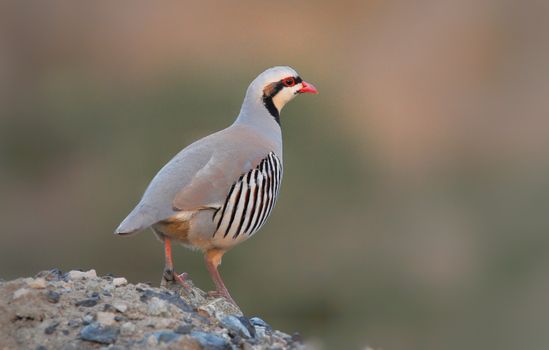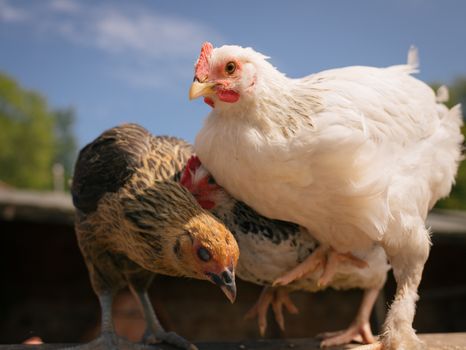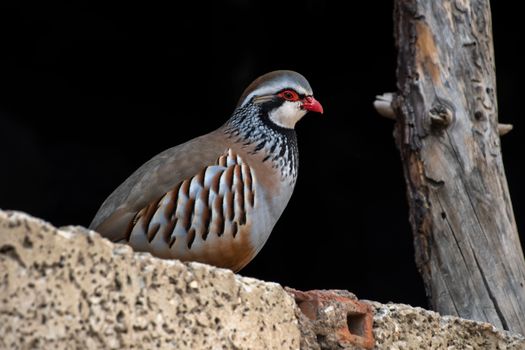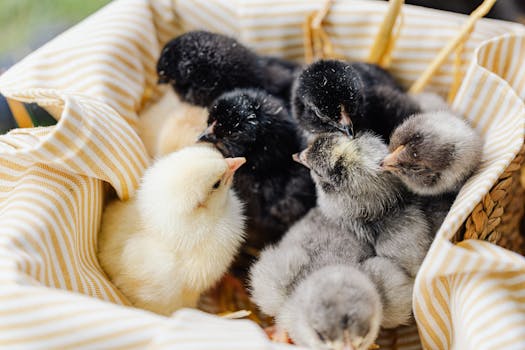
Chukar partridge farming has gained traction worldwide, thanks to the bird’s adaptability, profitability, and appeal to both hobbyists and commercial breeders. However, one of the key challenges in ensuring high chick survival and healthy development is equipping your breeding station with the right systems and tools. Setting up a chukar chick breeding station is not just about shelter—it's about creating an environment that optimizes temperature, nutrition, safety, and hygiene from the first day of life. Whether you’re establishing a commercial operation or starting a small-scale project, understanding how to properly equip your chukar chick breeding station will determine your success.
The Importance of Proper Equipment for Chukar Chick Breeding
Chukar chicks, like many game birds, have specific early-life requirements that differ from adult birds. Their first weeks are critical for long-term health, productivity, and flock cohesion. Studies have shown that chick mortality rates can exceed 30% in poorly equipped stations, while well-designed facilities can reduce early losses to below 8%. Investing in proper equipment not only improves chick survival but also boosts growth rates, disease resistance, and overall flock performance.
Key equipment choices influence: - Temperature regulation - Feed and water access - Disease prevention - Predator protection - Stress reductionInadequate or outdated setups often lead to overcrowding, uneven growth, dehydration, and preventable disease outbreaks. Let’s look at the essential components and best practices for an optimized chukar chick breeding station.
.png)
Choosing the Ideal Brooder System for Chukar Chicks
A brooder is the heart of any chick breeding station. It provides the controlled warmth and protection needed for the first 3-5 weeks, mimicking the mother’s care. There are several types of brooders, each with unique pros and cons.
| Brooder Type | Capacity (Chicks) | Temperature Control | Cost (USD) | Key Benefits |
|---|---|---|---|---|
| Infrared Heat Lamp | Up to 100 | Moderate (manual adjustment) | 20-60 | Affordable, easy setup |
| Electric Brooder Plate | Up to 50 | Highly stable | 50-100 | Energy-efficient, safe |
| Gas Brooder | 100-500+ | Automated, large scale | 200-600 | Scalable for commercial use |
For small-scale breeders, infrared lamps or electric brooder plates are common. Electric plates are recommended due to their low fire risk and steady heat. For larger operations, gas brooders are more efficient but require careful monitoring for air quality and safety.
Temperature is critical: Chukar chicks need 35°C (95°F) on day one, gradually reduced by 2-3°C per week until fully feathered. Use reliable thermometers, and monitor for crowding (which indicates cold) or dispersal (which suggests overheating).
Optimizing Feeding and Watering Systems
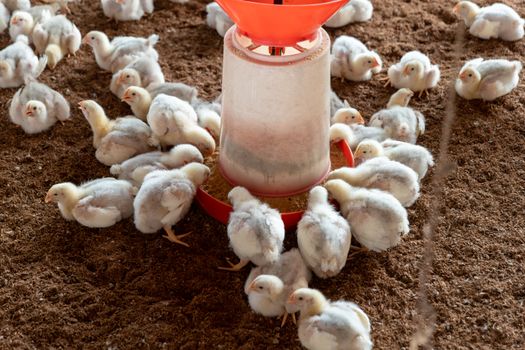
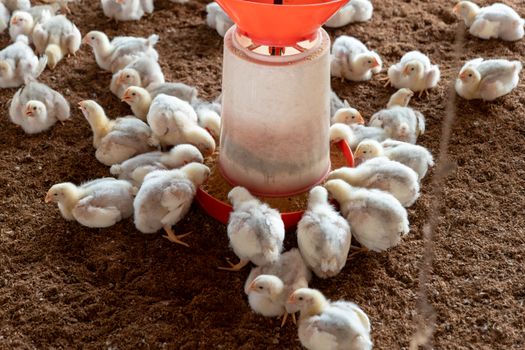
Chukar chicks are highly active and prone to dehydration or malnutrition if feeders and drinkers are not designed for their size and agility. Commercial chick feeders should allow easy access, minimize waste, and prevent contamination. Trough feeders or round plastic feeders with anti-scratch grids are ideal, ensuring at least 1 cm of feeder space per chick during the first week, increasing to 2-3 cm as they grow.
Waterers must be shallow to prevent drowning but stable to avoid tipping. Nipple drinker systems are increasingly popular for their hygiene benefits, as they dispense water only when pecked, reducing spillage and the risk of wet bedding. Studies show that nipple drinkers can reduce disease-related mortality by up to 15% compared to open dishes.
Key tips: - Clean and refill waterers daily - Elevate feeders slightly to reduce bedding contamination - Place extra feeders and drinkers to prevent crowdingCreating a Clean and Safe Brooding Environment
Sanitation is a major factor in chick health. Chukar chicks are susceptible to coccidiosis, respiratory infections, and bacterial diseases—all of which thrive in dirty, damp environments. The breeding station should be easy to clean, well-ventilated, and draft-free.
Recommended flooring includes: - Plastic slatted floors for easy waste removal and dry bedding - Wood shavings (dust-free) for insulation and comfort - Avoid straw or paper, which can harbor mold and bacteriaDisinfect the brooding area before introducing each new batch of chicks. Use veterinary-approved disinfectants, and allow the area to dry fully before adding bedding. Ventilation should provide at least 10 air changes per hour, but without direct drafts on chicks. Ammonia levels should be kept below 10 ppm for optimal respiratory health.
Predator-proofing is also essential. Use wire mesh (no larger than 1 cm openings) around the station to prevent access by rodents or snakes, which are known to attack chicks.
Lighting, Space, and Enrichment for Healthy Development
Lighting plays a key role in chick development. Chukar chicks require 22-24 hours of light for the first 3 days to ensure they find feed and water, then gradually reduce to 16-18 hours. Use low-intensity LED bulbs (10-15 lux) to avoid stress or pecking.
Space allocation is equally important: Overcrowding leads to aggression, stunted growth, and higher disease risk. Chicks require at least 0.05 square meters (0.54 sq. ft.) per bird in the first week, expanding to 0.1 square meters (1 sq. ft.) by week four.
Enrichment items, such as pebbles, small perches, or scattered greens, encourage natural behaviors and decrease feather pecking. Research from the University of Minnesota shows that stations with enrichment see up to 25% lower injury rates among chicks.
Monitoring, Record Keeping, and Automation
Continuous monitoring is vital for early detection of problems. Digital thermometers and humidity sensors help maintain optimal conditions, while video cameras allow remote observation of chick activity.
Record keeping should include: - Daily temperature and humidity readings - Feed and water intake logs - Mortality and culling records - Growth rates (weekly weigh-ins)For large-scale operations, automation can improve consistency and labor efficiency. Programmable climate controllers, automatic feeders and drinkers, and alarm systems can reduce human error and alert you to issues such as power outages or overheating.
Final Tips for Equipping Your Chukar Chick Breeding Station
Properly equipping your breeding station is an investment in your flock’s future. Start with high-quality, easy-to-clean brooders, feeders, and drinkers sized for your flock. Prioritize hygiene, monitor environmental conditions daily, and provide enough space and enrichment to keep chicks healthy and stress-free. Remember, even small improvements in your setup can yield significant gains in chick survival, growth, and long-term productivity.