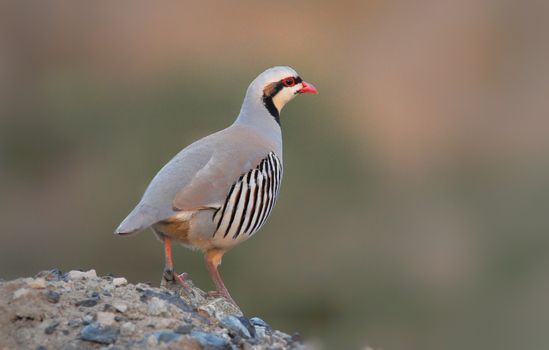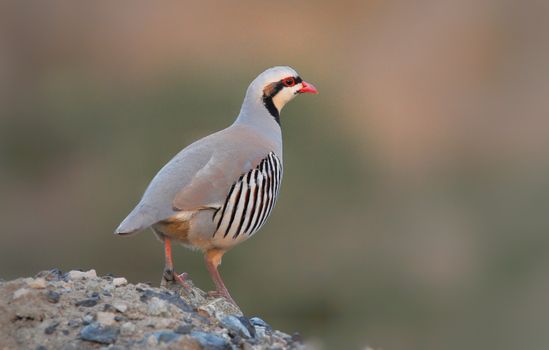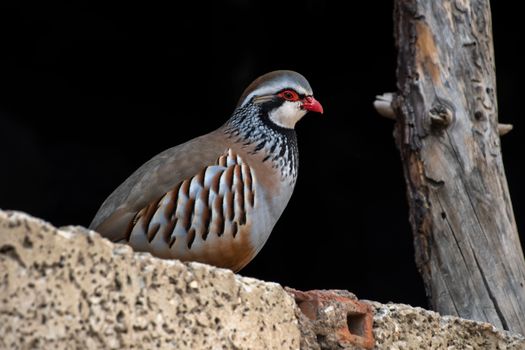
Raising healthy, vibrant Chukar chicks requires more than just shelter and clean water—it starts with the right feeding practices from day one. Chukar partridges (Alectoris chukar) have specific dietary needs that shift rapidly as they grow, and their early nutrition directly impacts survival rates, growth speed, and eventual productivity. Whether you’re a seasoned game bird farmer or a newcomer to Chukar husbandry, understanding how to properly feed Chukar chicks is crucial for their optimal growth and health. In this guide, we’ll dive into the nutritional requirements, feeding schedules, feed types, and common pitfalls, ensuring your Chukar chicks thrive from hatchling to maturity.
The Nutritional Needs of Chukar Chicks: Building Blocks for Growth
Chukar chicks are precocial, meaning they are mobile and require solid food soon after hatching. Their rapid metabolism and fast development demand a diet uniquely balanced in protein, energy, vitamins, and minerals.
- $1: Chukar chicks require a high-protein diet for muscle and feather development. According to studies, optimal growth occurs with feed containing 26-28% crude protein for the first three weeks. - $1: Carbohydrates and fats provide the energy young birds need. Insufficient energy can lead to poor weight gain and increased mortality. - $1: Vitamins A, D3, E, and B-complex, plus minerals like calcium and phosphorus, are essential for bone growth, immune function, and metabolic processes.A 2022 survey by the Gamebird Research Foundation found that Chukar chick mortality was 40% lower in flocks fed a commercial starter ration versus those fed homemade mixtures lacking appropriate nutrients. The right feed formulation truly makes the difference between thriving chicks and stunted growth.
.png)
Starter Feed Types: Choosing the Best for Chukar Chicks
Selecting the correct starter feed is foundational. While there are several options on the market, not all are designed with Chukar chicks in mind. Here’s a comparison of common feed types:
| Feed Type | Protein (%) | Recommended Age | Pros | Cons |
|---|---|---|---|---|
| Gamebird Starter Crumble | 26-28 | 0-3 weeks | Formulated for rapid growth, balanced nutrients | Can be more expensive |
| Turkey Starter | 24-28 | 0-3 weeks | High protein, widely available | May lack specific micronutrients for gamebirds |
| Chick Starter (Chicken) | 18-20 | Not recommended | Cheap, easy to find | Protein too low for Chukar chicks, leads to slow growth |
| Homemade Mix | Variable | Not recommended | Control over ingredients | Risk of nutritional imbalance, higher mortality |
The best choice for Chukar chicks is a commercial gamebird starter crumble, specifically designed for gamebirds’ unique needs. Turkey starter can be a second choice if gamebird feed is unavailable, but avoid generic chick starter, as its protein content is insufficient.
Feeding Schedule and Quantities: Meeting Chukar Chicks’ Needs
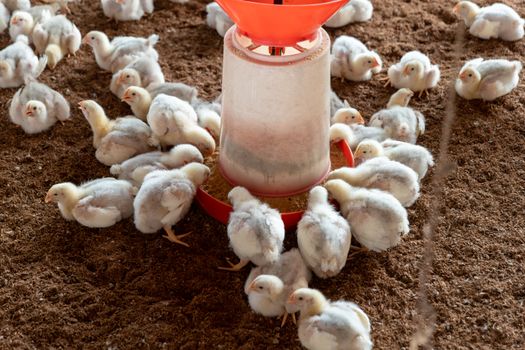
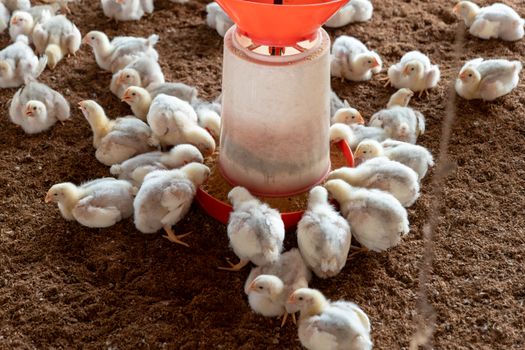
Beyond feed type, the feeding schedule and ration size are vital for healthy development. Chukar chicks should have access to feed and clean water at all times—chicks can eat up to 12–15 times per day, especially in the first two weeks.
Here is a basic feeding timeline for Chukar chicks:
- $1: Place feed on flat trays or paper to help chicks find it. Expect each chick to consume about 2-3 grams of feed daily. - $1: Move to shallow feeders. Daily intake rises to 5-7 grams per chick. - $1: Chicks begin to eat 8-10 grams per day. - $1: Transition to grower feed (21-22% protein); intake jumps to 12-15 grams daily.It’s crucial to monitor feed consumption. Underfeeding can stunt growth, while overfeeding can lead to waste or digestive issues. A 2019 study published in the Journal of Avian Science found that chicks with 24/7 feed access gained 18% more weight by week three compared to those fed on a restricted schedule.
Fresh water is equally important. Chukar chicks are sensitive to dehydration, especially in warm brooder environments. Use shallow waterers to prevent drowning and change water at least twice daily.
Essential Supplements and Additives for Chukar Chicks
While a well-formulated starter feed covers most needs, certain supplements can further boost chick health, especially if issues arise.
- $1: During the first week, adding a commercial vitamin-electrolyte mix to the water can help reduce early chick mortality. Studies in 2021 showed up to 10% higher survival rates in flocks given these supplements during the first five days. - $1: Chicks do not need grit if fed commercial crumble, but if introducing whole grains or greens after week three, fine chick grit helps digestion. - $1: After antibiotic treatments or during stressful transition periods, probiotics can support gut health and improve feed conversion rates.Avoid calcium supplements for young chicks; excess calcium can cause kidney damage. Only introduce calcium (like oyster shell) after 6 weeks, and only if starting to see signs of deficiency.
Common Feeding Mistakes to Avoid
Even experienced keepers sometimes make errors that impact Chukar chick health. Here’s what to watch for:
- $1: Chicken starter is often only 18-20% protein—too low for Chukar chicks, leading to weak growth and feathering. - $1: Damp feed quickly molds, posing a risk of mycotoxicosis. Always keep feeders clean and dry. - $1: Overcrowding around feeders can cause smaller chicks to miss out, leading to uneven growth. - $1: Large pellets or grains can cause choking. Chicks need finely crumbled feed for easy consumption. - $1: Switching feed types abruptly can cause digestive upset. Always transition gradually over 3-5 days.The National Gamebird Association notes that 75% of early chick mortality traced back to poor feed choice, contaminated feed, or lack of feeder access. Routine observation and prompt correction of these issues will dramatically improve survival and growth rates.
Transitioning Chukar Chicks to Grower and Adult Diets
As Chukar chicks grow, their nutritional needs evolve. After the initial 3-4 weeks, protein requirements decrease, and energy needs shift.
- $1: Begin mixing gamebird grower feed (20-22% protein) with starter, gradually increasing grower feed over one week. - $1: Switch fully to grower feed. At 12 weeks, transition to adult maintenance feed (16-18% protein) for breeders or continue grower feed for meat birds intended for early harvest. - $1: From week 6, gradually introduce chopped greens and small grains, ensuring chicks have access to grit.Monitor flock health and weight. Chukar partridges should reach 90-110 grams by week three and 220-250 grams by week eight. Poor weight gain or feathering signals a nutritional gap.
Final Thoughts on Feeding Chukar Chicks for Optimal Growth
Feeding Chukar chicks properly is the cornerstone of successful partridge rearing. High-protein, balanced starter feeds, constant access to clean water, appropriate supplements, and good husbandry practices set the stage for healthy, fast-growing chicks. By understanding their changing needs and avoiding common pitfalls, you’ll see higher survival rates, stronger birds, and ultimately a more productive flock. Remember, nutrition in the first weeks is an investment that pays dividends throughout the birds’ lives.