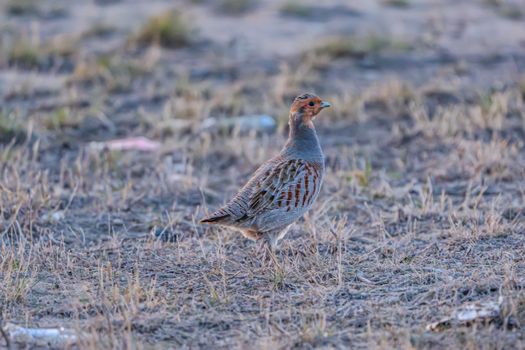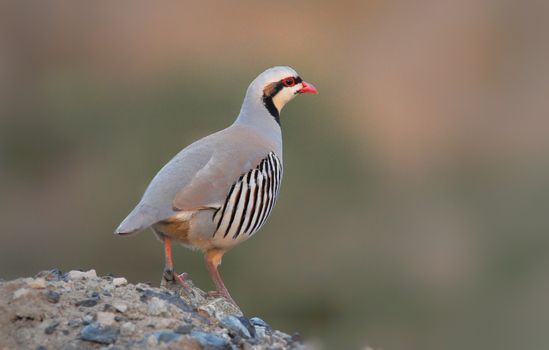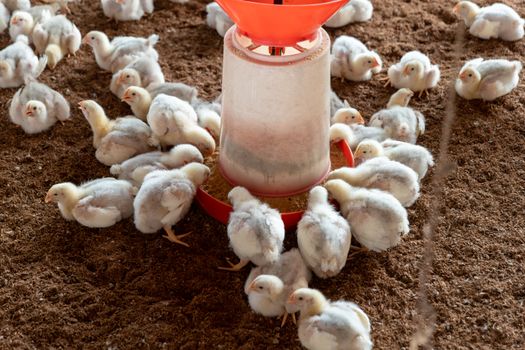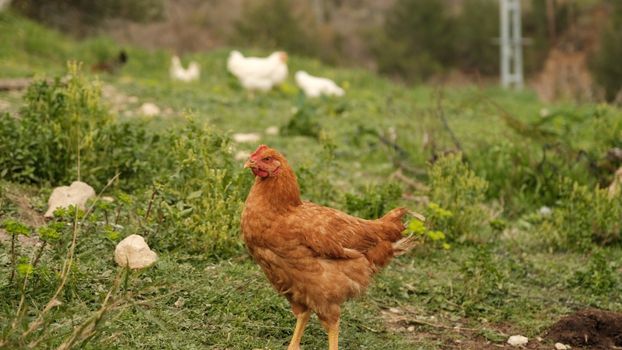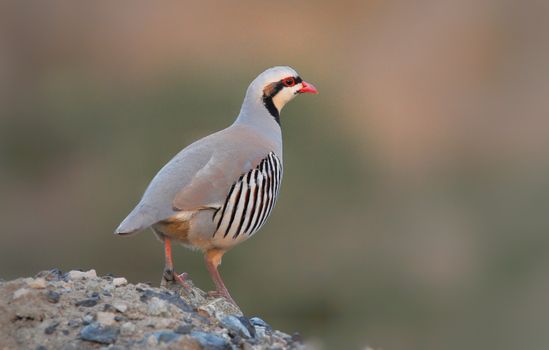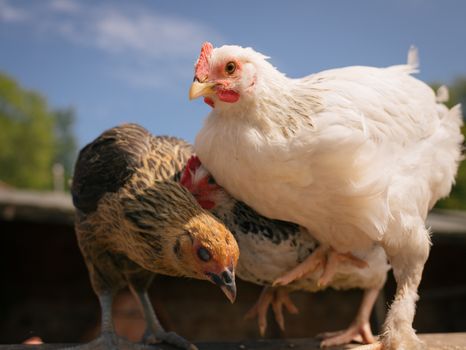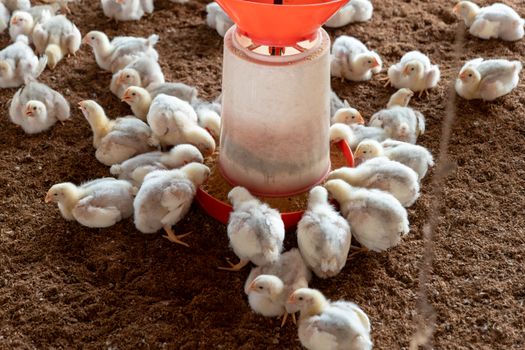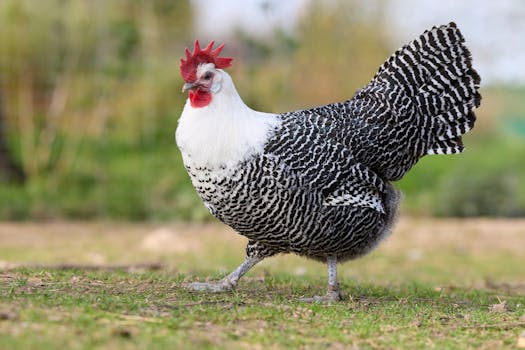
Chukar chickens, often called chukar partridges, are gaining traction in commercial farming thanks to their hardiness, rapid growth, and market demand for lean, flavorful meat. But as with any livestock operation, the key to success lies in selecting the right breed or strain. Not all chukar chickens are created equal—some excel in growth rate, others in egg production, and a few standout breeds offer the best combination for efficient, profitable farming. This article explores the best chukar chicken breeds for commercial farming, examining their unique characteristics, comparing performance, and helping prospective or experienced farmers make informed decisions.
The Growing Popularity of Chukar Chickens in Commercial Farming
Chukar chickens (Alectoris chukar) have moved beyond game bird hunting preserves and hobbyist flocks to become a viable option for commercial meat and egg production. According to the Food and Agriculture Organization, global game bird production—including chukars—has more than doubled in the past two decades, with Asia and North America leading the way. This surge is driven by consumer demand for alternative poultry meats that are low in fat and high in protein.
Commercial chukar farming often focuses on three main goals: - Maximizing meat yield per bird - Ensuring consistent egg production for breeding and hatching - Maintaining flock health and adaptability to intensive systemsSelecting the right breed or strain is critical, as genetics significantly impact growth rates, feed conversion, disease resistance, and reproductive performance.
.png)
Key Factors in Choosing Chukar Chicken Breeds for Farming
Before diving into specific breeds, it’s essential to understand what sets a commercial chukar chicken strain apart. Here are the main criteria farmers consider:
1. $1: The best commercial chukar breeds reach market weight quickly, often within 14-16 weeks, reducing feed and overhead costs. 2. $1: Some breeds or lines are selected for higher egg output, crucial for breeding operations or selling fertile eggs. 3. $1: Efficient birds convert less feed into more body mass, directly impacting profitability. 4. $1: Hardy breeds with robust immune systems minimize losses and medication expenses. 5. $1: Commercial breeds must thrive in confinement or semi-intensive systems, tolerating varying climates and densities.These factors combine to shape the commercial viability of each chukar breed or hybrid.
Top Chukar Chicken Breeds and Strains for Commercial Production
While the chukar partridge is a single species, decades of selective breeding have produced distinct strains tailored for either meat, eggs, or dual-purpose production. Here are the top options for commercial farmers:
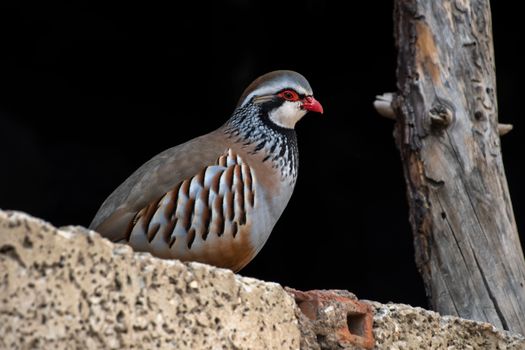
1. $1 - This is the most widely farmed strain, developed over generations for uniform size and temperament. They typically reach a live weight of 500-700 grams (1.1-1.5 lbs) by 14-16 weeks of age. - Egg production averages 40-60 eggs per hen per season under managed conditions. - Known for their adaptability and moderate feed requirements. 2. $1 - Selectively bred for larger size, Jumbo Chukars can reach up to 900 grams (2 lbs) at maturity. - Slightly slower to mature (16-18 weeks) but offer more meat per bird, making them popular for specialty markets or restaurants. - Egg production is similar to the standard but with a higher proportion of larger eggs. 3. $1 - Some breeders in Europe and Asia have focused on increasing egg yield, with strains capable of producing up to 80 eggs per season. - Birds tend to be smaller (400-550 grams) and less meaty, but their prolific egg-laying is ideal for hatching operations or the specialty egg market. 4. $1 - Crosses between chukar and other partridge species (such as the red-legged partridge, Alectoris rufa) have been developed for enhanced disease resistance and adaptability. - Growth rates and productivity can vary, but well-established hybrids may offer the best compromise for challenging environments.Comparison of Leading Chukar Chicken Breeds
To help farmers compare options, here is a summary table of the main commercial chukar breeds and strains:
| Breed/Strain | Market Weight (grams) | Time to Maturity (weeks) | Egg Production (season) | Key Strengths |
|---|---|---|---|---|
| Standard Commercial Chukar | 500-700 | 14-16 | 40-60 | Adaptability, balanced yield |
| Jumbo Chukar | 800-900 | 16-18 | 40-60 | High meat yield, larger size |
| Egg-Type Chukar | 400-550 | 12-14 | 60-80 | High egg production |
| Hybrid Chukar Cross | 550-750 | 14-17 | 45-65 | Hardiness, disease resistance |
This overview highlights the trade-offs between meat yield, egg production, and resilience.
Case Studies: Commercial Success with Chukar Chicken Breeds
Real-world examples can help illustrate the impact of breed selection:
- $1: In states like California and Texas, large-scale chukar producers have adopted the Standard Commercial and Jumbo strains. Reports from the Game Bird Farmers Association show that Jumbo Chukars can increase revenue by up to 15% per bird sold to gourmet markets, despite a slightly longer rearing period. - $1: In Eastern Europe, where chukar eggs are a delicacy, commercial operations use high-laying strains, achieving flock averages of 70 eggs per hen each season. These eggs command premium prices in niche markets. - $1: Some Israeli and Turkish farms have succeeded with chukar hybrids, which combine the growth rate of standard chukars with the disease resistance of the red-legged partridge, reducing mortality rates by as much as 25% in humid or hot climates.These case studies underscore the importance of aligning breed selection with market goals and local conditions.
Managing and Sourcing Chukar Breeds for Maximum Profitability
Selecting the right breed is only the first step. Commercial farmers must also consider:
- $1: Always buy chicks or hatching eggs from reputable breeders who provide documentation on genetics and health. - $1: Disease prevention is crucial, especially when introducing new strains or hybrids. - $1: Tracking feed conversion, growth rates, and egg output helps identify the most profitable lines for your farm. - $1: Demand for organic, free-range, or specialty meats continues to rise—some breeds adapt better than others to alternative management systems.For example, a 2021 survey by the National Game Bird Association found that farmers who switched to Jumbo Chukars for the specialty restaurant market saw an average profit increase of 12% over three years, primarily due to higher per-bird sale prices.
Final Thoughts on Choosing the Best Chukar Chicken Breeds for Commercial Farming
The world of commercial chukar chicken farming is expanding, and breed selection plays a pivotal role in determining success. Whether your goal is to maximize meat yield, boost egg production, or develop a hardy flock for challenging conditions, there is a chukar strain or hybrid to fit your needs.
Standard Commercial Chukars offer balanced performance for most farmers, while Jumbo strains deliver higher meat yields for premium markets. Egg-type strains excel in hatchery or specialty egg production, and hybrids provide adaptability for tough climates. By carefully considering your farm’s goals, market demands, and management capacity, you can select the best chukar chicken breed to ensure long-term success and profitability.