Investing in a Game Bird Farm: What You Need to Know
The idea of owning a game bird farm conjures images of lush aviaries, the vibrant calls of pheasants and quail, and the potential for a unique and profitable agricultural venture. As demand for specialty meats, hunting preserves, and conservation projects rises, investing in a game bird farm has become an intriguing prospect for both seasoned farmers and newcomers to agriculture. But what does it really take to enter this niche industry, and what factors should investors carefully consider before diving in? This article explores the core aspects of investing in a game bird farm, from cost breakdowns and market opportunities to regulatory considerations and risk management.
The Game Bird Farming Landscape: A Growing Opportunity
Game bird farming in the United States is steadily gaining traction. According to the U.S. Department of Agriculture, over 3,000 game bird farms are in operation nationwide as of 2022, collectively generating more than $190 million in annual revenue. The industry is driven by several markets: gourmet and specialty cuisine, hunting preserves, dog training, and conservation restocking programs.
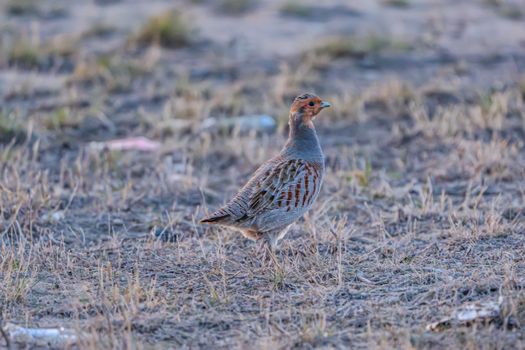
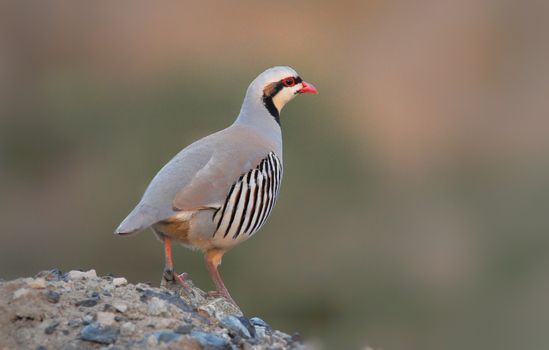
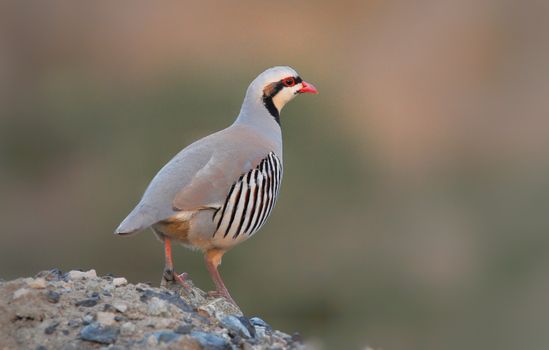
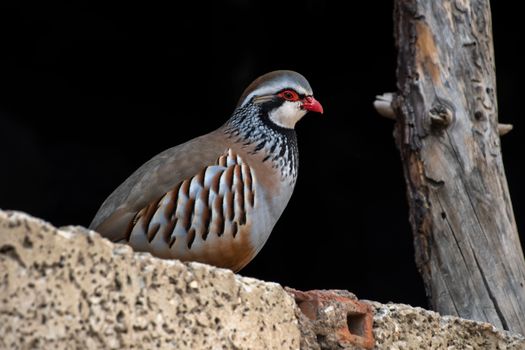
The most commonly raised species include pheasants, quail, partridges, and ducks. Each bird has its own market demands and care requirements. For example, the ring-necked pheasant is the dominant species for hunting preserves, accounting for nearly 60% of all game birds raised in the U.S.
.png) Several factors have contributed to industry growth:
- Rising interest in sustainable, locally sourced food.
- Increased demand from hunting clubs and preserves.
- Expansion of wildlife conservation and restoration projects.
Several factors have contributed to industry growth:
- Rising interest in sustainable, locally sourced food.
- Increased demand from hunting clubs and preserves.
- Expansion of wildlife conservation and restoration projects.
For investors, these trends signal robust market potential. However, game bird farming is specialized and comes with unique operational, regulatory, and financial considerations.
Start-Up Costs and Potential Returns: What to Expect
Launching a game bird farm requires more than just purchasing chicks and setting up pens. Investors should budget for land, infrastructure, bird stock, feed, labor, and compliance costs. A clear understanding of these expenses is essential for building a realistic business plan and projecting potential returns.
On average, start-up costs for a small-scale (500 to 1,000 birds) game bird farm typically range from $25,000 to $75,000, depending on location, species, and infrastructure quality. Larger commercial operations (5,000+ birds) can require initial investments of $150,000 or more.
Here's a breakdown of typical costs and projected annual revenue for a moderate-sized farm (1,000 birds):
| Expense/Revenue Item | Estimated Cost or Income |
|---|---|
| Land & Facility Setup | $20,000 - $40,000 |
| Breeding Stock/Chicks | $2,500 - $5,000 |
| Feed & Supplies (Annual) | $8,000 - $12,000 |
| Labor (Annual) | $10,000 - $20,000 |
| Permits & Insurance (Annual) | $1,500 - $3,000 |
| Projected Annual Revenue | $30,000 - $60,000 |
Profitability depends on efficient management, species selection, and market access. For instance, a farm selling mature pheasants can expect to earn $10 to $18 per bird, while specialty quail for restaurants may fetch $2 to $4 each. Ancillary income streams—such as guided hunting, egg sales, or bird dog training—can further boost returns.
Market Channels: Identifying Your Customers
Understanding your target market is crucial before investing. The game bird industry serves several overlapping but distinct customer segments:
1. Hunting Preserves and Clubs These buyers purchase live birds for controlled hunting experiences. In 2021 alone, over 19 million game birds were released for hunting in the U.S., with hunting preserves representing one of the largest and most consistent markets. 2. Gourmet Restaurants and Food Distributors Chefs are increasingly drawn to local, specialty poultry such as quail or partridge. According to the National Restaurant Association, demand for game meats rose 22% between 2019 and 2023. 3. Dog Trainers and Field Trial Organizations Bird dog trainers need a steady supply of live birds for training, particularly quail and chukar partridge. 4. Conservation and Wildlife Restoration State agencies and conservation organizations buy birds for habitat restoration and population replenishment.Each market has unique requirements for bird age, health, and delivery. Building relationships with buyers and understanding their preferences is key to maintaining steady sales.
Regulatory Environment: Licenses, Permits, and Compliance
Unlike typical poultry operations, game bird farms are subject to specific regulations at federal, state, and sometimes county levels. Regulations are designed to control disease, protect native wildlife, and ensure humane handling.
Key compliance areas include:
- State Game Farm Licenses: Most states require a license to breed, raise, or sell game birds. For example, a Minnesota game farm license costs $50 per year for up to 1,000 birds, with higher rates for larger operations. - Federal Permits: If you plan to import or export birds across state lines, or raise certain migratory species, you may need permits from the U.S. Fish and Wildlife Service. - Health and Disease Monitoring: Game bird farms must comply with inspection and disease testing requirements to prevent outbreaks of avian influenza, Newcastle disease, and other infectious threats. - Zoning and Land Use: Local zoning laws may limit where game bird farms can operate, particularly in suburban or environmentally sensitive areas.Failure to comply can result in fines, loss of license, or mandatory culling of stock. Before investing, research all relevant regulations in your state and consult with agricultural extension officers or regulatory agencies.
Risk Factors and How to Mitigate Them
Like any agricultural venture, game bird farming comes with risks that investors must understand and plan for. The major risk areas include:
1. Disease Outbreaks Avian diseases can devastate a flock quickly. In 2015, a single outbreak of avian influenza resulted in the culling of over 48 million birds in the U.S. poultry sector. Game birds are susceptible to similar threats.Mitigation: Invest in biosecurity, regular veterinary care, and vaccination (where available). Isolate new stock before introducing them to your main flock.
2. Predation and Security Raptors, foxes, raccoons, and even domestic pets can prey on game birds.Mitigation: Construct secure pens with overhead netting and bury fencing to prevent digging predators. Employ livestock guardian animals if appropriate.
3. Market Fluctuations Game bird demand can be seasonal and subject to economic shifts. For example, hunting preserve demand may drop in years of poor weather or economic downturns.Mitigation: Diversify income streams by offering eggs, hatching chicks, guided hunts, or educational experiences.
4. Regulatory Changes Laws around animal agriculture and wildlife can change, sometimes abruptly.Mitigation: Stay informed through industry associations and maintain good relationships with regulators.
Effective risk management is crucial for long-term profitability and sustainability.
Long-Term Prospects: Building Value Beyond Profit
Investing in a game bird farm offers more than financial returns—it can provide ecological, social, and personal benefits as well. Game bird farms often play a role in local conservation efforts, providing stock for habitat restoration and supporting biodiversity. They also contribute to rural economies, with a 2022 study by the American Gamebird Association estimating that each farm generates an average of 2.3 full-time jobs, not including seasonal labor.
Engaged owners can foster community connections through agritourism, educational programs, and partnerships with schools or conservation groups. For those passionate about wildlife and sustainable agriculture, game bird farming can be a rewarding lifestyle as well as a business.
However, success requires dedication, sound planning, and a willingness to adapt. New investors should seek advice from experienced operators, join industry associations, and take advantage of extension services and training programs. With careful research and a clear-eyed understanding of the challenges, the investment can deliver both tangible and intangible rewards.
Key Takeaways for Prospective Game Bird Farm Investors
Game bird farming is a dynamic and potentially profitable niche in the broader agricultural sector. With rising demand from hunting, culinary, and conservation markets, the opportunities for growth are significant. However, the industry’s specialized nature means that investors must pay close attention to costs, regulations, and risk factors.
- U.S. game bird farms generate over $190 million annually, with 3,000+ operations nationwide. - Start-up costs for a moderate operation (1,000 birds) typically range from $25,000 to $75,000. - Major markets include hunting preserves, restaurants, dog trainers, and conservation groups. - Compliance with licenses, permits, and biosecurity protocols is non-negotiable. - Risk mitigation—against disease, predation, and market shifts—is essential for success.Before committing capital, potential investors should carefully evaluate their goals, study their local market, and network with experienced producers. When managed well, a game bird farm can be both a profitable and fulfilling agricultural investment.