The Benefits of Starting a Game Bird Farm
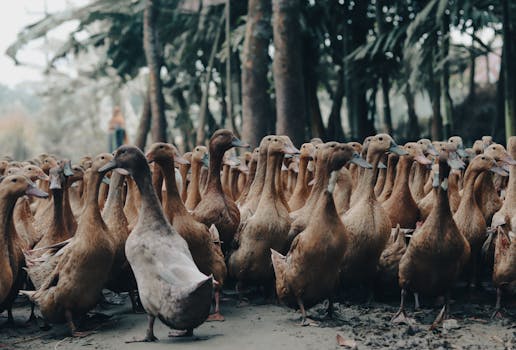
The agricultural landscape is continually evolving, with farmers seeking new, profitable, and sustainable ventures. One such opportunity gaining traction is game bird farming. This specialty sector involves breeding and raising birds such as pheasants, quail, partridges, and ducks, primarily for hunting preserves, meat production, conservation projects, and hobbyist markets. While traditional livestock farming remains widespread, the unique advantages of starting a game bird farm appeal to many entrepreneurs and rural landowners. This article explores the multifaceted benefits of game bird farming, supported by recent statistics, market data, and real-world examples.
Economic Advantages: Profitable Niches and Diverse Revenue Streams
Game bird farming offers several economic benefits that set it apart from conventional agriculture. One of the primary attractions is the ability to tap into niche markets with high demand and relatively low competition. According to the U.S. Department of Agriculture, the game bird industry in the United States generates over $1.5 billion annually, with more than 250 million birds produced each year for various markets.
A key reason for this profitability is diversification. Game bird farmers can sell products and services in multiple sectors:
.png) - Birds for hunting preserves: Many commercial hunting operations purchase mature birds for release, ensuring a steady income for breeders.
- Table eggs and meat: Game bird eggs and meat, especially quail and pheasant, are sought after in gourmet restaurants and specialty food stores.
- Chicks and hatching eggs: Hobbyists, backyard enthusiasts, and other breeders are regular customers for day-old chicks and fertile eggs.
- Conservation and restocking programs: State agencies and conservation groups purchase birds for wildlife restoration projects.
- Birds for hunting preserves: Many commercial hunting operations purchase mature birds for release, ensuring a steady income for breeders.
- Table eggs and meat: Game bird eggs and meat, especially quail and pheasant, are sought after in gourmet restaurants and specialty food stores.
- Chicks and hatching eggs: Hobbyists, backyard enthusiasts, and other breeders are regular customers for day-old chicks and fertile eggs.
- Conservation and restocking programs: State agencies and conservation groups purchase birds for wildlife restoration projects.
A single acre of land can support up to 1,000 quail or 300 pheasants, making it possible to achieve significant returns even with limited space. With mature quail selling for $4–$6 each and pheasants commanding $8–$15 per bird, a well-managed operation can turn a modest investment into substantial annual revenue.
Environmental Impact: Supporting Biodiversity and Land Stewardship
Game bird farming, when managed responsibly, can have positive environmental effects. Unlike some intensive livestock operations, game birds require less land and can coexist with native habitats. Their needs often align with conservation goals, creating mutually beneficial outcomes for farmers and the environment.
One notable benefit is the enhancement of local biodiversity. By cultivating a variety of cover crops, grasses, and shrubs suitable for game birds, farmers support insects, small mammals, and other wildlife species. Studies from the University of Minnesota found that farms integrating game bird habitats increased native pollinator abundance by up to 30%.
Game bird farms also play a role in land stewardship. Fields and enclosures need to be rotated and managed carefully to prevent disease and maintain soil health. Many farmers participate in government conservation programs such as the Conservation Reserve Program (CRP), receiving financial incentives to establish wildlife-friendly habitats.
Additionally, game bird farming produces lower methane emissions than cattle or swine operations. According to a 2022 study by the National Institute of Food and Agriculture, the average game bird farm emits 70% less greenhouse gas per pound of meat compared to beef production.
Low Barriers to Entry: Accessible for Small-Scale and New Farmers
Starting a game bird farm is often more accessible than launching a traditional livestock operation. The initial investment and ongoing expenses are generally lower, making it an ideal entry point for new farmers, retirees, or those looking to supplement their income.
Some of the reasons for the lower barriers to entry include:
- Minimal land requirement: As noted earlier, a small plot can support hundreds of birds. - Modest infrastructure: Game bird enclosures, brooders, and feeders can be built or purchased at a fraction of the cost required for cattle or pigs. - Quick turnaround: Game birds such as quail reach market weight in as little as 6–8 weeks, allowing for multiple production cycles per year. - Flexible scale: Farmers can start with a few dozen birds and expand as demand grows.The table below compares the startup costs and space requirements for game bird farms versus traditional poultry and livestock operations:
| Farm Type | Initial Investment | Land Needed (per 500 head) | Market Age (weeks) |
|---|---|---|---|
| Quail Farm | $5,000–$10,000 | 0.5 acres | 6–8 |
| Pheasant Farm | $8,000–$15,000 | 1.5 acres | 16–20 |
| Chicken Broiler Farm | $20,000–$50,000 | 1 acre | 6–8 |
| Beef Cattle Operation | $50,000–$150,000+ | 10–15 acres | 52–78 |
As the table illustrates, game bird farming requires significantly less capital and land than many traditional livestock ventures, making it an appealing choice for aspiring agricultural entrepreneurs.
Market Trends: Rising Consumer Interest and Culinary Demand
Consumer trends in recent years have increasingly favored specialty meats, local food sources, and culinary diversity. Game birds, once viewed as niche products, are now finding their way into restaurants, farmers’ markets, and gourmet kitchens across the country.
According to a 2023 report from the Specialty Food Association, demand for quail and pheasant meat has grown by over 20% in the past five years. Chefs and home cooks alike are seeking alternatives to chicken and turkey, drawn by game birds' distinctive flavor, nutritional profile, and perceived sustainability.
Nutritionally, game bird meat is lean, high in protein, and rich in essential vitamins and minerals. A 3-ounce serving of quail contains 110 calories, 19 grams of protein, and just 3 grams of fat, making it an attractive option for health-conscious consumers.
Game bird eggs, especially quail eggs, have also surged in popularity. With nearly 2,000 mg of vitamin A per dozen and a reputation for being allergen-friendly, quail eggs are now a staple at many farmers’ markets and health food stores.
The culinary appeal of game birds is complemented by their unique value as local, sustainable food. Consumers are willing to pay premium prices—up to $10 per pound for quail meat and $12–$20 per dozen quail eggs—making the sector financially rewarding for dedicated producers.
Educational and Recreational Opportunities: Beyond the Balance Sheet
While the financial and environmental advantages of game bird farming are significant, the benefits extend beyond the bottom line. Many game bird farmers find personal fulfillment and community engagement through their work.
Game bird farms offer unique educational opportunities for families, schools, and organizations. Farm tours, birdwatching events, and youth programs can teach children about wildlife, conservation, and sustainable farming practices. In some regions, agri-tourism events centered around game bird farms attract hundreds of visitors each year, providing additional income streams and raising public awareness about the importance of biodiversity.
Recreationally, game bird farming can be a rewarding hobby. Birdwatchers, photographers, and outdoor enthusiasts value the presence of beautifully plumaged birds on private land. Many farmers report that the daily routines of caring for birds foster a sense of connection to nature and rural heritage.
Furthermore, game bird farming can support local economies. In states like South Dakota, hunting preserves and associated game bird farms generate over $225 million in annual revenue and support thousands of jobs in rural communities.
Conclusion: A Versatile and Rewarding Agricultural Venture
Starting a game bird farm offers a compelling combination of economic opportunity, environmental stewardship, and personal satisfaction. With low barriers to entry, diverse markets, and growing consumer demand, game bird farming stands out as a smart choice for those seeking a profitable and sustainable agricultural enterprise. Whether your goal is to supply hunting preserves, cater to gourmet markets, or promote conservation, raising game birds provides benefits that extend far beyond the farm gate.
For aspiring and experienced farmers alike, the game bird industry presents a unique chance to diversify, embrace sustainability, and contribute to rural vitality. As the sector continues to grow, now is an ideal time to explore the many rewards of game bird farming.