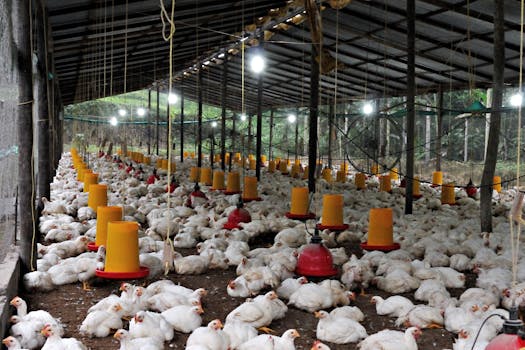
Contactless Methods of Rearing Chukar Chickens: Utilizing Modern Technologies
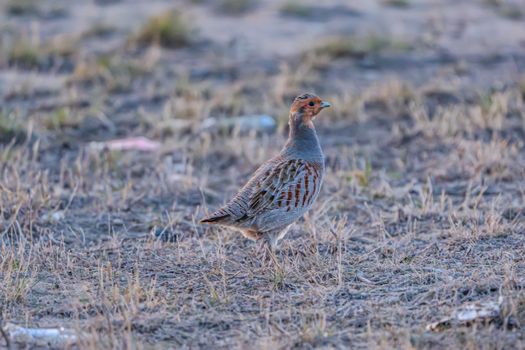
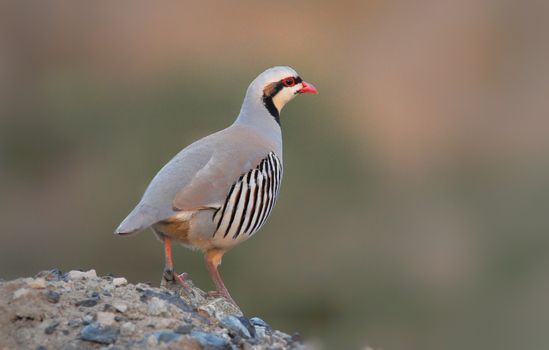
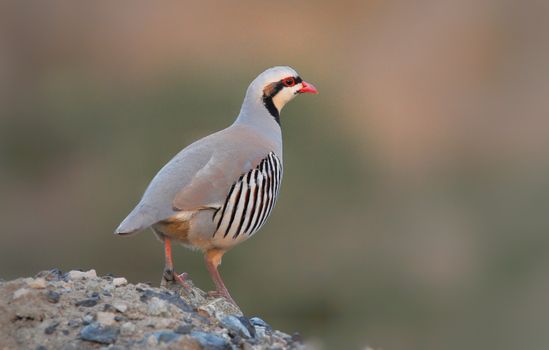
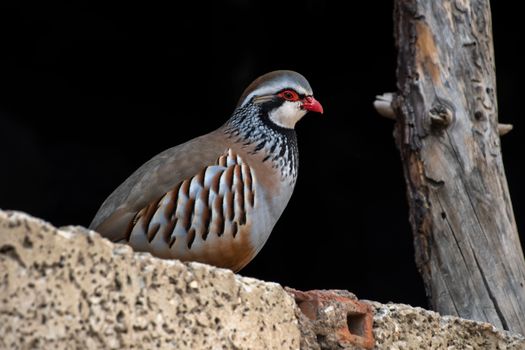
Raising Chukar chickens is an age-old practice that has evolved significantly in the last decade. Traditionally, Chukar partridges (Alectoris chukar) were reared through direct human management, manual feeding, and hands-on care. However, with advances in agricultural technology and the need for higher biosecurity, farmers and breeders are now turning to contactless methods that minimize human-to-bird interaction. These innovative approaches not only enhance productivity and bird welfare but also reduce the risks of disease transmission—a concern that has become increasingly relevant in the wake of global health events.
This article explores the latest contactless technologies and management strategies for rearing Chukar chickens. From smart automation to data-driven health monitoring, discover how modern tools are transforming the way Chukar flocks are raised, providing new opportunities for efficiency, scalability, and sustainability.
Understanding Contactless Rearing: What Does It Mean?
Contactless rearing refers to the use of technological systems and automated processes that allow Chukar chickens to be raised with minimal direct human contact. The goal is to reduce stress for the birds, limit the introduction of pathogens, and streamline daily operations.
.png)
Key elements of contactless rearing include:
- Automated feeding and watering systems - Remote environmental control (temperature, lighting, ventilation) - Digital health monitoring and alert systems - Robotic cleaning and egg collection - Minimal hands-on intervention, except in emergenciesAccording to a 2022 study by the International Journal of Poultry Science, farms utilizing contactless technologies reported a 25% reduction in disease outbreaks and a 15% increase in overall flock productivity compared to conventional methods.
Automated Feeding and Watering Systems: Efficiency and Precision
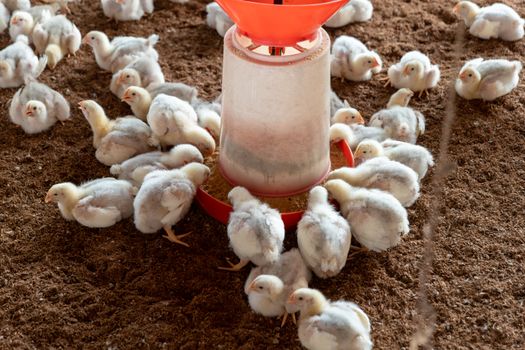
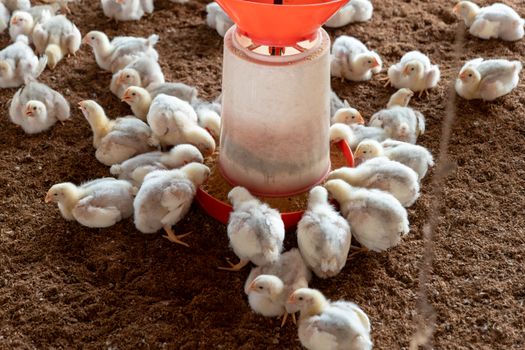
One of the foundational technologies in contactless Chukar rearing is the use of automated feeding and watering systems. These systems deliver precise amounts of feed and water at scheduled intervals, ensuring optimal nutrition and hydration for every bird.
Key features include:
- Programmable feeders that dispense specific rations based on age and growth stage - Nipple drinker lines and gravity-fed waterers with self-cleaning functions - Sensors to monitor feed and water levels, sending alerts when refills are needed Benefits: - Consistent feed delivery reduces competition and stress among birds - Lower risk of contamination, as feed and water are enclosed and not exposed to the environment - Labor savings: A single farm worker can manage systems for thousands of birds remotelyA 2021 case study from a commercial Chukar farm in Utah demonstrated a 12% decrease in feed wastage and a 20% increase in feed conversion efficiency after installing a fully automated feeding system.
Environmental Control Through Smart Sensors and IoT
Maintaining the right environment is crucial for Chukar chicken health and productivity. Modern farms employ smart sensors and Internet of Things (IoT) devices to remotely monitor and regulate temperature, humidity, airflow, and lighting.
How it works:
- Sensors continuously collect data on barn conditions - Automated HVAC and lighting systems adjust settings based on real-time data - Alerts are sent to farm managers if conditions fall outside preset parametersFor example, Chukar chicks require brooding temperatures of 35°C (95°F) during their first week, gradually reducing to 21°C (70°F) by week six. Smart climate control systems can automate this transition, ensuring uniform growth and reducing the risk of heat or cold stress.
A survey conducted by Poultry World in 2023 found that farms using IoT-based environmental controls saw a 30% reduction in chick mortality and a 17% improvement in growth rates.
Remote Health Monitoring and Disease Detection
One of the most promising advances in contactless Chukar rearing is the integration of digital health monitoring tools. These systems use cameras, microphones, and machine learning algorithms to detect early signs of illness or distress in flocks—often before symptoms are visible to the human eye.
Technologies include:
- Vision-based systems that analyze movement patterns, feeding, and drinking behavior - Audio sensors that monitor vocalizations for signs of respiratory issues - Wearable RFID tags for tracking individual bird health and locationWhen abnormalities are detected, the system notifies farm staff via mobile app or dashboard, allowing for targeted intervention without handling the entire flock.
According to a 2022 report by AgriTech Insights, farms using advanced health monitoring technology reduced the time to detect and treat diseases by up to 40%, leading to better outcomes and lower medication usage.
Robotic Cleaning and Egg Collection: Reducing Human Interaction
Maintaining cleanliness in Chukar rearing facilities is essential for biosecurity, but manual cleaning and egg collection increase the risk of disease transfer. Robotics offers a solution by automating these tasks.
Robotic cleaning systems include:
- Floor-scrubbing robots that operate on programmed schedules - Automated manure removal conveyors - UV-C disinfection robots for surface sterilizationFor farms producing Chukar eggs, robotic egg collectors gently retrieve eggs from nest boxes and transport them to collection points, all without human touch. This not only protects eggs from breakage and contamination but also enables higher collection efficiency.
A 2023 study from the University of Missouri found that robotic cleaning reduced detectable bacterial contamination in poultry houses by 60% compared to manual methods.
Comparing Contactless and Traditional Rearing Methods
To better understand the advantages of contactless rearing, consider the following comparison of key factors:
| Aspect | Contactless Rearing | Traditional Rearing |
|---|---|---|
| Feed Efficiency | Up to 20% improvement (automated systems) | Variable, higher wastage |
| Disease Risk | Reduced by 25-30% | Higher due to manual handling |
| Labor Requirements | Reduced by 40-60% | High, especially in large flocks |
| Bird Stress | Lower (minimal handling) | Higher (frequent human contact) |
| Initial Investment | High (technology costs) | Lower (manual tools) |
| Scalability | Excellent (easy to expand) | Limited by labor capacity |
Challenges and Considerations for Implementing Contactless Systems
While contactless Chukar rearing methods offer significant benefits, they are not without challenges. The most prominent barrier is the upfront cost of installing automation and monitoring systems. For small-scale or hobbyist farmers, the investment may be prohibitive unless offset by long-term gains in efficiency and reduced labor costs.
Other considerations include:
- Technical expertise required to operate, troubleshoot, and maintain equipment - Dependence on electricity and internet connectivity for IoT-based systems - The need for periodic human oversight to manage exceptions or emergenciesDespite these challenges, the trend toward contactless rearing is expected to accelerate. The global market for poultry automation technology is projected to grow at a compound annual growth rate (CAGR) of 8.3% between 2022 and 2028, according to MarketsandMarkets.
The Future of Contactless Chukar Chicken Rearing
Modern technology is reshaping what’s possible in Chukar chicken farming. As contactless methods become more accessible and affordable, they are likely to become the new standard—especially for commercial-scale operations focused on biosecurity, efficiency, and animal welfare.
Innovations on the horizon include:
- AI-driven flock management platforms that predict health trends and optimize resource use - Advanced robotics for more delicate tasks, such as chick vaccination or sorting - Integration with renewable energy sources to further reduce operational costsBy embracing these technologies, Chukar breeders can meet the rising demand for high-quality, disease-free poultry products while maintaining sustainable and humane farming practices.