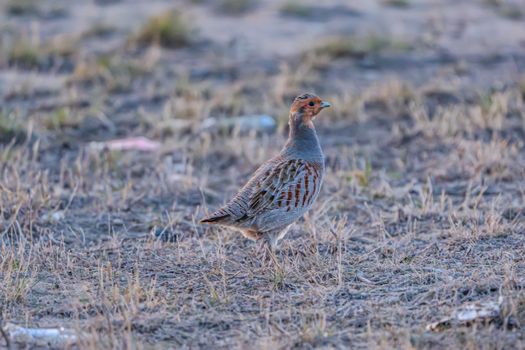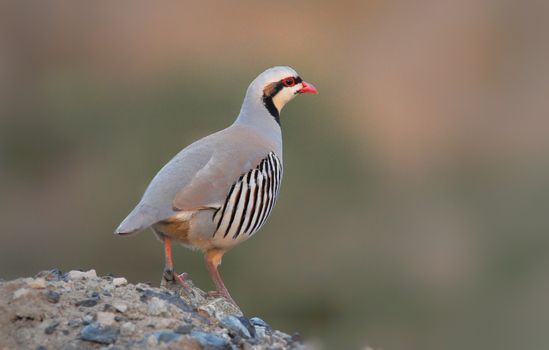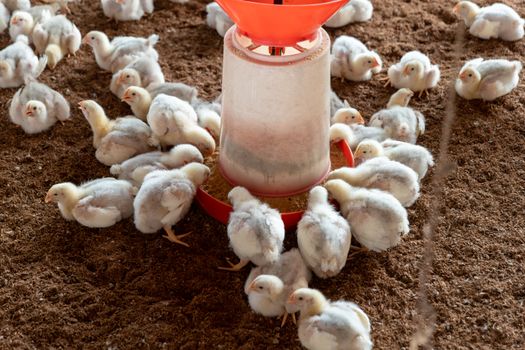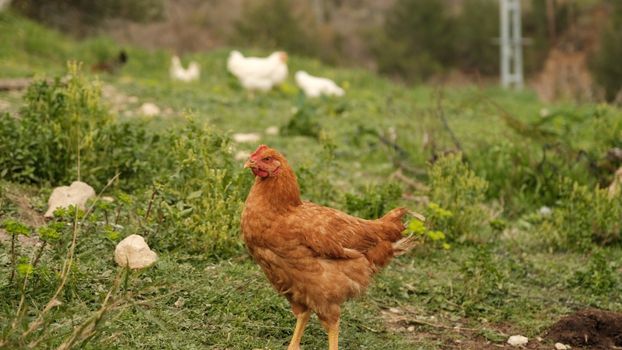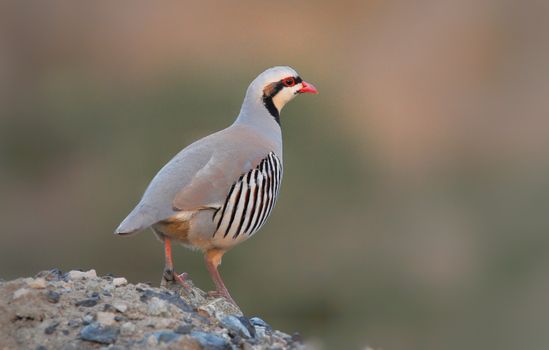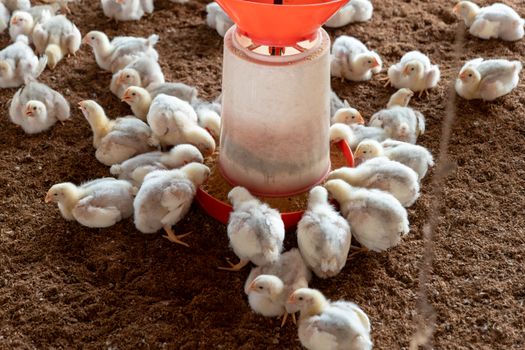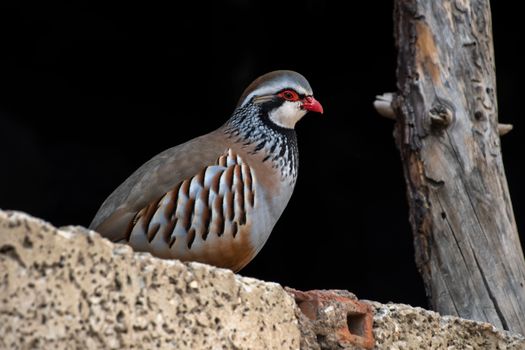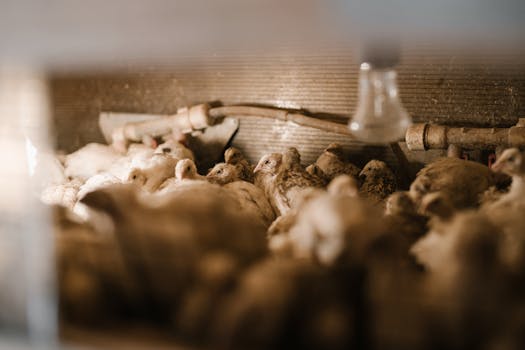
Chukar partridges, prized for their hardiness and adaptability, are increasingly popular among farmers and game bird enthusiasts. However, the success of raising healthy and productive chukar chicks hinges on one fundamental aspect: proper nutrition. The first weeks of life are especially critical, as the right feed can make all the difference in their survival, growth, and future productivity. But with a multitude of commercial and homemade feed options on the market, what truly is the best feed for chukar chicks? This comprehensive nutrition guide examines the essentials, explores feed types, highlights key nutrients, and provides practical comparisons to help you make informed choices for your flock.
The Unique Nutritional Needs of Chukar Chicks
Chukar chicks are not simply miniature versions of adult birds. Their nutritional requirements are distinct, especially during the first 6-8 weeks of life when rapid growth and immune system development take place. During this period, the chicks’ bodies are building muscle, feathers, and bones at an accelerated rate.
Research from the University of California, Davis indicates that newly hatched chukar chicks require a diet with a protein content of 26-28% for optimal growth. This is considerably higher than the protein needs of adult chukars, which hover around 16-18%. Additionally, chukar chicks need a carefully balanced mix of vitamins, minerals, and amino acids to support healthy feathering, bone formation, and immune function.
.png) Key nutrients include:
- Protein (26-28%): Essential for muscle and tissue development.
- Methionine and Lysine: Crucial amino acids for feather and tissue growth.
- Calcium and Phosphorus: Required for bone strength and development.
- Vitamin A, D3, and E: Vital for immune health and skeletal integrity.
- Trace minerals: Such as selenium, zinc, and manganese for enzyme function and growth.
Key nutrients include:
- Protein (26-28%): Essential for muscle and tissue development.
- Methionine and Lysine: Crucial amino acids for feather and tissue growth.
- Calcium and Phosphorus: Required for bone strength and development.
- Vitamin A, D3, and E: Vital for immune health and skeletal integrity.
- Trace minerals: Such as selenium, zinc, and manganese for enzyme function and growth.
A deficiency or imbalance in any of these nutrients can lead to stunted growth, weak legs, poor feathering, or even mortality.
Commercial Starter Feeds: Pros, Cons, and What to Look For
Most chukar breeders and commercial game bird operations begin with commercially prepared starter feeds formulated specifically for game birds or upland species. These feeds are designed to meet the demanding nutritional needs of young chicks and are available in crumble or mash form for easy consumption.
Benefits of commercial starter feeds: - Consistent nutrition: Each batch is formulated for optimal protein, vitamin, and mineral content. - Convenience: Ready to use, with no need to mix or add supplements. - Enhanced safety: Often medicated to prevent coccidiosis, a common and deadly disease in young birds. However, not all starter feeds are created equal. Some feeds are designed for chickens, turkeys, or quail, which may not perfectly match the needs of chukar chicks. Always check the feed label for: - Protein content (should be 26-28%) - The presence of methionine and lysine - Appropriate vitamin and mineral supplementation - Non-medicated vs. medicated (depending on your management practices)A 2022 survey by the National Game Bird Association found that 78% of chukar producers use game bird-specific starter crumbles, while only 15% use generic chick starters.
Homemade and Alternative Feeds: When and How to Use Them
Some small-scale breeders and homesteaders prefer to prepare their own feeds or use alternative protein sources, especially in remote areas where commercial game bird feeds are hard to find. While this can be cost-effective, it comes with challenges.
Common homemade feed ingredients include: - Ground corn or wheat (energy) - Soybean meal, fish meal, or dried insects (protein) - Alfalfa meal (protein and vitamins) - Oyster shell or limestone (calcium) - Vitamin and mineral premixesThe main risk with homemade feeds is nutritional imbalance. For example, too much energy and not enough protein will produce rapid fat gain but poor muscle and feather development. Conversely, an imbalanced calcium-to-phosphorus ratio can cause bone deformities.
It is essential to use a scientifically validated feed formula or consult a poultry nutritionist to ensure all nutrient requirements are met. For those supplementing commercial feeds with live insects or greens, ensure that these additions do not dilute the overall protein or vitamin content below recommended levels.
Comparing Popular Chukar Chick Feed Options
To help you choose the right feed, here’s a comparison of some of the most common options available to chukar chick raisers:
| Feed Type | Protein (%) | Form | Key Nutrients | Main Pros | Main Cons |
|---|---|---|---|---|---|
| Commercial Game Bird Starter | 26-28 | Crumble/Mash | Balanced, with methionine, lysine, vitamins, minerals | Complete, easy to use, consistent quality | Higher cost, may not be available in all regions |
| Commercial Chick Starter | 18-20 | Crumble/Mash | Basic vitamins/minerals, lower protein | Widely available, affordable | Often lacks adequate protein for chukars |
| Homemade Grain & Protein Mix | 22-28 (varies) | Custom | Customizable, can add supplements | Cost control, ingredient transparency | Risk of deficiency, labor-intensive |
| Turkey or Quail Starter | 24-28 | Crumble | High protein, good vitamin/mineral content | Alternative for game bird feed, supports rapid growth | May lack some chukar-specific nutrients |
As seen above, the commercial game bird starter feed is generally the gold standard for chukar chicks, providing the protein, amino acids, and micronutrients required for optimal growth.
Key Feeding Practices for Healthy Chukar Chicks
Nutrition isn’t just about feed composition; how you deliver it also matters. The following practices help ensure that your chukar chicks get the most from their diet:
1. $1 Always use fresh feed and clean feeders daily. Moldy or stale feed can quickly sicken delicate chicks, leading to digestive problems or even death. 2. $1 Chicks prefer small crumbles or fine mashes, which are easier to eat and reduce waste. Avoid whole grains in the first few weeks. 3. $1 Young chukars should have constant access to feed. Restricting feed can stunt growth and increase aggression. 4. $1 Clean, fresh water is as vital as feed. Chicks are susceptible to dehydration, so check waterers multiple times a day. 5. $1 If you introduce any whole grains or fibrous materials, provide fine grit to aid in digestion, but avoid sharp or coarse grit for very young chicks. 6. $1 Healthy chukar chicks should double their hatch weight within 7-10 days. Weigh a sample of chicks weekly to ensure they’re hitting growth milestones.Common Feeding Mistakes and How to Avoid Them
Even well-intentioned keepers can stumble when it comes to feeding chukar chicks. Here are some of the most frequent errors, along with tips for prevention:
- $1 Layer feeds contain excess calcium and insufficient protein, which is unsuitable for chicks and can damage their kidneys. - $1 Some feeds have enough total protein but lack essential amino acids like methionine, leading to poor feather growth and weak bodies. - $1 Adding extra vitamins or minerals “just in case” can cause toxicity or imbalances. Stick to formulated feeds or scientifically validated recipes. - $1 Sudden changes can upset the chicks’ digestive systems. Transition gradually over 3-5 days. - $1 Even the best feed is useless without constant, clean water.It’s worth noting that a 2021 field study found that chukar flocks with consistent access to properly formulated starter feed had a 94% survival rate in the first month, compared to only 77% for flocks fed generic chick starter.
Best Feed Choices for Different Chukar Chick Scenarios
Your choice of feed may also depend on your specific situation:
- $1 For those raising hundreds or thousands of chicks, consistency and growth rate are paramount. Commercial game bird starter feeds offer the best balance of nutrition and convenience. - $1 Access to specialized feeds may be limited. In this case, high-protein turkey or quail starter, supplemented with a game bird vitamin and mineral premix, is a practical alternative. - $1 Homemade rations may be necessary. Prioritize protein sources like soybean meal or fish meal and ensure a balanced vitamin/mineral supplement is included.No matter the context, regular monitoring and willingness to adjust your feeding regimen are crucial to success.
Smart Nutrition for Strong, Healthy Chukar Chicks
The foundation for thriving chukar partridge flocks is laid during the chick stage, and nutrition plays a starring role. The evidence is clear: for optimal growth, health, and future productivity, chukar chicks require a starter feed with 26-28% protein, balanced amino acids, and complete vitamin and mineral supplementation. Commercial game bird starter feeds are the easiest and most reliable option, but with care and attention, alternative approaches can work as well. By understanding these nutritional fundamentals and applying practical feeding strategies, you’ll give your chukar chicks the best possible start in life—setting the stage for robust, productive adults.