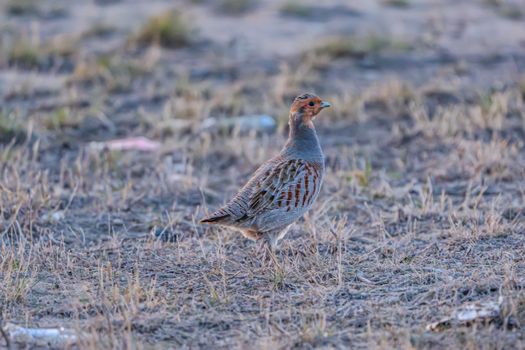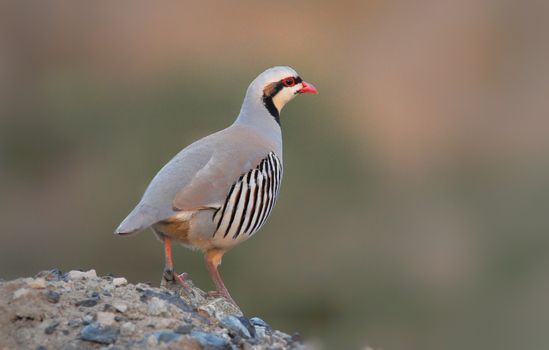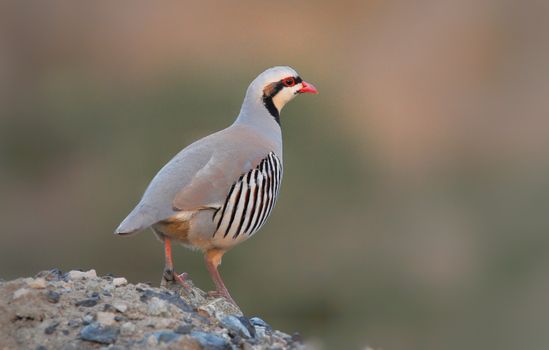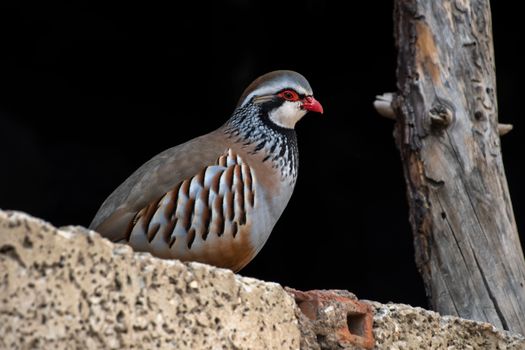
Chukar partridge farming has seen a remarkable surge in popularity across North America, Europe, and parts of Asia, driven by rising demand for game birds in culinary, hunting, and conservation markets. However, managing a commercial Chukar partridge operation is far more complex than simply raising a few birds in a backyard coop. To achieve commercial success, farmers must combine sound business practices with species-specific management, efficient production strategies, and a keen understanding of market dynamics. This comprehensive guide delves into the core strategies and best practices for effectively managing Chukar partridge farming at a commercial scale, ensuring profitability and long-term sustainability.
The Commercial Potential of Chukar Partridge Farming
Chukar partridges (Alectoris chukar) are hardy, fast-growing game birds originating from Eurasia. Their adaptability, rich flavor, and popularity in sport hunting make them a lucrative choice for modern game bird enterprises. The global market for game birds has grown steadily, with the United States alone importing over 200,000 game birds annually, and Chukar partridges represent a significant share of this trade.
Key commercial opportunities include: - Supplying live birds to hunting preserves and shooting clubs. - Providing dressed birds to specialty restaurants and gourmet markets. - Breeding and selling hatching eggs or chicks to other farms. - Contributing to wildlife restoration and conservation programs.A successful Chukar partridge farm can yield 70-80% annual return on investment when managed efficiently, according to industry reports. However, capitalizing on these opportunities requires more than basic know-how; it demands a strategic, business-minded approach tailored to the unique traits of the Chukar partridge.
.png)
Strategic Planning: Laying the Foundation for Success
Before investing in infrastructure or stock, a comprehensive business plan is essential. This plan should detail production goals, market analysis, capital requirements, and risk management strategies.
1. $1 - Identify potential customers (e.g., hunting preserves, restaurants, wholesalers). - Analyze seasonal demand fluctuations—hunting season, for instance, greatly affects live bird sales. - Research local and regional regulations for game bird farming, transport, and sales. 2. $1 - Estimate initial setup costs: land, housing, incubation equipment, feed storage, and biosecurity measures. - Calculate recurring expenses: feed, labor, utilities, veterinary care, and marketing. - Project revenue streams from different market segments. 3. $1 - Incorporate insurance for livestock and facilities. - Develop contingency plans for disease outbreaks, market slumps, or supply chain disruptions.By front-loading your operation with solid planning, you reduce costly surprises and position your farm for scalable growth.
Optimizing Facilities and Infrastructure for Commercial Scale
Unlike hobby or small-scale setups, commercial Chukar partridge farming requires infrastructure designed for efficiency, biosecurity, and bird welfare. Key considerations include:
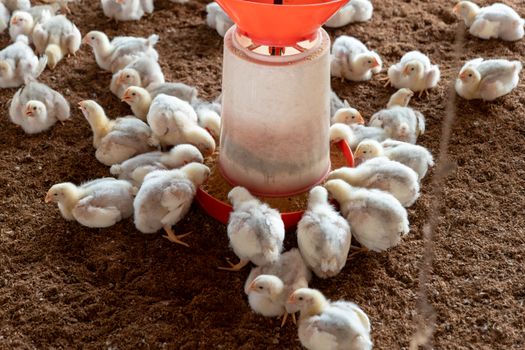
- $1 Commercial barns should provide at least 1.5–2 square feet per adult bird, with adjustable ventilation and temperature control. Wire-floored pens reduce disease risk, while covered outdoor runs allow for natural behaviors. - $1 High-capacity incubators can process thousands of eggs per cycle. Automated temperature and humidity controls improve hatch rates, which average 70-80% under optimal conditions. - $1 Automated feeders and nipple waterers minimize waste and labor. Backup power for water pumps and climate control ensures resilience during outages. - $1 Entry-point footbaths, perimeter fencing, and staff hygiene protocols are vital to prevent disease introduction.Properly designed facilities not only enhance productivity but also make daily operations more manageable for staff, reducing labor costs and stress on the birds.
Production Management: Scaling Up Without Sacrificing Quality
To maximize profits, commercial farmers must achieve high productivity while maintaining bird health and product quality. This is accomplished through:
- $1 Choose parent birds with proven genetics for fertility, growth rate, and disease resistance. Regularly introduce new genetics to avoid inbreeding depression. - $1 Maintain eggs at 99.5°F (37.5°C) and 50–55% humidity during the 23–24 day incubation period. Rotate eggs multiple times daily to ensure even development. - $1 Raise birds in age-matched groups to reduce bullying and disease transmission. Cull weak or unthrifty chicks early to focus resources on the best performers. - $1 Track weight gain and feed conversion rates. Industry benchmarks suggest Chukars reach market weight (500–700 grams) in 14–16 weeks, with a feed conversion ratio (FCR) of 2.8–3.0. - $1 Digitally track flock performance, mortality, vaccination schedules, and sales for ongoing improvement and regulatory compliance.By standardizing production protocols and closely monitoring results, farmers can identify inefficiencies early and adjust accordingly.
Cost Analysis: Commercial Chukar Partridge vs. Other Game Birds
When considering commercial game bird farming, it's useful to compare Chukar partridge with other popular species like quail and pheasant in terms of production metrics and profitability.
| Parameter | Chukar Partridge | Japanese Quail | Ring-necked Pheasant |
|---|---|---|---|
| Market Age (weeks) | 14–16 | 6–8 | 20–24 |
| Market Weight (g) | 500–700 | 150–200 | 1,100–1,500 |
| Feed Conversion Ratio (FCR) | 2.8–3.0 | 2.2–2.4 | 3.2–3.5 |
| Eggs per Hen per Year | 40–50 | 250–300 | 50–60 |
| Average Wholesale Price/Bird (USD) | $6–$10 | $2–$3 | $10–$15 |
| Main Markets | Hunting, gourmet meat, eggs | Eggs, meat, research | Hunting, gourmet meat |
This comparison highlights that while Chukar partridges are not as prolific as quail in egg production, they command higher prices in live and processed markets, making them especially attractive for hunting and gourmet food supply chains.
Marketing and Sales Strategies for Maximum Profit
A well-run Chukar partridge farm can only achieve commercial success if its products reach the right buyers at the right time. Effective marketing involves:
- $1 Build relationships with local hunting preserves, specialty butchers, and high-end restaurants. Offer tasting events or farm tours to generate interest. - $1 Establish a professional website highlighting your farm’s story, production standards, and available products. Use social media to share behind-the-scenes content and seasonal promotions. - $1 Partner with regional distributors who supply restaurants, gourmet markets, and wildlife agencies. Consistent quality and reliable supply are crucial for these relationships. - $1 Consider adding value by processing birds for ready-to-cook packaging, smoking, or specialty marination. Chukar partridge eggs also fetch premium prices in some markets.Timing is key; for example, ramp up production ahead of the autumn hunting season or major holidays when demand for game birds peaks. Stay informed about market trends and evolving regulations that may affect pricing or distribution.
Scaling Up: Expansion and Diversification Tactics
Once a baseline of commercial success has been established, consider these avenues for expansion and risk diversification:
- $1 Gradually scale up production capacity, ensuring infrastructure and staffing keep pace. - $1 Add on-site processing or packaging facilities to capture more profit per bird. - $1 Introduce other game birds, such as pheasant or quail, to broaden your customer base and buffer against market volatility. - $1 Offer farm tours, hunting experiences, or training workshops for aspiring game bird farmers. - $1 Implement eco-friendly practices, such as solar-powered barns or organic certification, to tap into premium markets.Expansion should be data-driven, based on careful analysis of existing operations and consumer demand. Remember, commercial farming is a marathon, not a sprint—grow at a pace that maintains quality and compliance.
Final Insights on Managing Chukar Partridge Farming for Profit
Commercial Chukar partridge farming is a dynamic and potentially lucrative venture, but it requires a blend of agricultural expertise, business acumen, and adaptability. By investing in strategic planning, optimizing infrastructure, standardizing production, and proactively marketing your products, you can position your farm as a leader in the game bird industry. With global demand for specialty meats and hunting experiences on the rise, now is an ideal time to refine your approach and scale up your Chukar partridge enterprise.